Can Hydrogen Cleaning Help Your Vehicle Pass an Emissions Test?
Have you ever wondered if a simple maintenance solution could be the key to passing your vehicle’s emissions test? Hydrogen cleaning is gaining attention as a potential method to reduce harmful exhaust emissions. This modern technique targets the buildup of carbon within your engine, which can significantly affect its performance and compliance with environmental standards.
Many vehicles today face challenges due to carbon deposits that accumulate over time. These deposits can lead to increased emissions and may even cause your vehicle to fail inspections. By employing advanced carbon cleaning methods, vehicle owners can restore their engines to operate more efficiently and cleanly.
Regular maintenance is crucial for ensuring your car meets the strict emissions standards set in the United States. This not only helps in passing inspections but also contributes to a healthier environment.
Key Takeaways
- Hydrogen cleaning may help your vehicle pass emissions tests by lowering exhaust output.
- Carbon buildup in modern engines can lead to higher emissions and inspection failures.
- Advanced engine carbon cleaning techniques improve fuel efficiency and reduce pollutants.
- Maintaining your engine is essential for compliance with emissions standards.
- Utilizing services like hydrogen cleaning can restore optimal engine performance.
Introduction to Hydrogen Cleaning and Emissions Testing

Could a modern approach to vehicle maintenance unlock the secret to passing emissions tests? Understanding the significance of carbon cleaning is essential for vehicle owners. This innovative process addresses the buildup of carbon deposits that accumulate over time in internal combustion engines.
Carbon buildup affects engine performance and fuel economy. Different types of engines, whether diesel or gasoline, can suffer from these deposits. Technicians have noted that when carbon accumulates in the combustion chamber, it leads to poor fuel efficiency and reduced overall performance.
By effectively removing these deposits, the engine cleaning process helps restore the air and fuel mixture to its optimal state. This is crucial for maintaining the health of internal combustion engines and ensuring they pass emissions tests. For more information on this topic, visit this link.
How Hydrogen Cleaning Works for Engine Carbon Cleaning
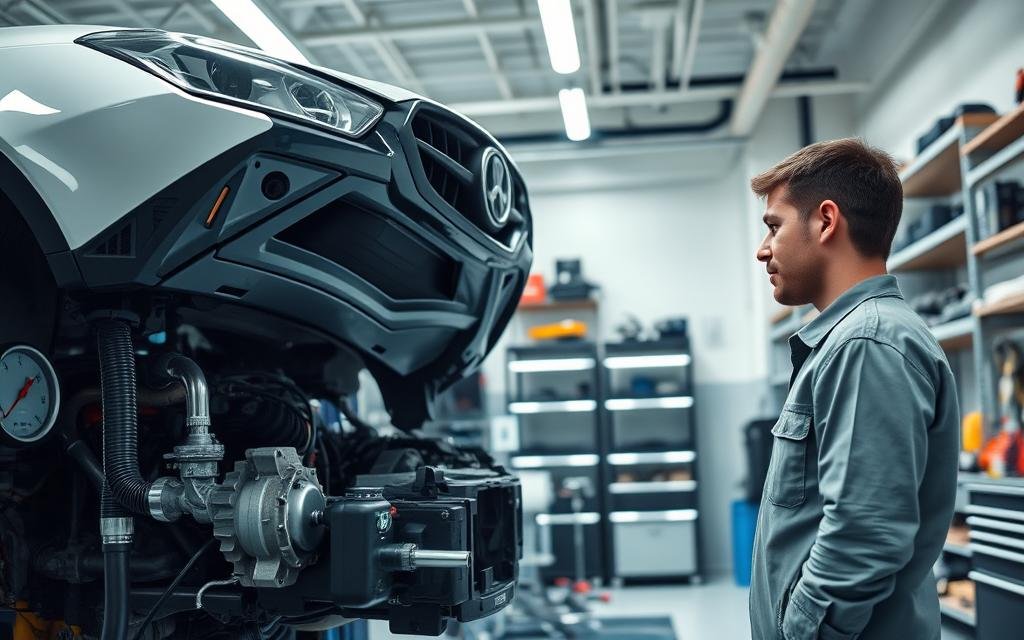
Is it possible that new technologies can revolutionize how we maintain our vehicles? One such innovation is the electrolysis process, which plays a vital role in removing carbon deposits from engines. This method uses an electrical current to split water into hydrogen and oxygen gas, creating a mixture known as HHO.
The HHO gas is then introduced into the intake manifold, where it effectively oxidizes carbon deposits in the combustion chamber. This process occurs in three stages: pre-ignition, mid-ignition, and post-ignition, ensuring thorough cleaning.
| Stage | Description | Outcome |
|---|---|---|
| Pre-Ignition | HHO gas enters the combustion chamber. | Begins oxidation of carbon deposits. |
| Mid-Ignition | Gas mixture ignites during combustion. | Carbon is broken down and expelled. |
| Post-Ignition | Remaining gases exit through the exhaust. | Engine is cleaned and performance restored. |
This specialized carbon cleaning machine can remove deposits without harsh chemicals or engine disassembly. By utilizing this process, vehicle owners can restore engine power and improve fuel economy, making it a smart choice for maintenance.
For more information on effective engine maintenance, visit this link.
Hydrogen cleaning Benefits for Engine Performance
Could an innovative maintenance method enhance your vehicle’s performance and longevity? Regular engine carbon cleaning provides significant benefits. This process restores the power and fuel economy that a car loses over years of operation.
By removing carbon buildup, the engine cleaning process prevents the formation of hot spots. These hot spots can cause excessive wear on internal components. Additionally, the carbon cleaning machine improves combustion efficiency, allowing the engine to operate with more power and smoother acceleration.
Maintaining a clean intake system ensures that engine performance remains at its peak. This not only extends the overall lifespan of the vehicle but also contributes to cost-effective maintenance. Ultimately, this routine helps the engine run cooler and avoids expensive repairs associated with carbon deposits.
| Benefit | Description | Outcome |
|---|---|---|
| Improved Fuel Economy | Restores lost efficiency due to carbon buildup. | Better mileage and reduced fuel costs. |
| Enhanced Performance | Increases power and acceleration capabilities. | Smoother driving experience. |
| Reduced Wear | Minimizes hot spots and internal damage. | Longer engine life and reliability. |
Safety, Efficiency, and Environmental Benefits of Hydrogen Cleaning

Can modern vehicle maintenance techniques significantly improve engine efficiency and reduce emissions? The answer lies in the innovative process of carbon cleaning. This method is not only effective but also environmentally friendly.
The engine carbon cleaning process is highly efficient. Most vehicles can complete the entire procedure in just one day. This quick turnaround means less downtime for car owners.
By utilizing electrolysis to create a safe gas mixture, this service avoids harmful chemicals that could damage the engine. This eco-friendly approach significantly reduces emissions, allowing the engine to burn fuel more completely.
Moreover, this maintenance service is cost-effective. It extends the lifespan of your engine, ensuring better performance and fuel economy over time. By removing carbon deposits from the combustion chamber, the system ensures that the engine runs smoothly and maintains its power output.
For more information on effective maintenance solutions, visit this link.
Conclusion
Have you considered that an effective maintenance strategy could be the solution to your vehicle’s emissions challenges? Utilizing advanced carbon cleaning methods is essential for modern engines. This process helps eliminate carbon deposits that can hinder performance and fuel efficiency.
Regular engine carbon cleaning not only boosts power but also enhances fuel economy. It plays a crucial role in reducing harmful emissions, ensuring compliance with environmental standards. Moreover, breaking down carbon buildup can prevent premature wear, extending the life of your engine.
Investing in this efficient maintenance process is a smart choice for any vehicle owner. It keeps your engine running smoothly and at peak performance levels, making it a vital part of your vehicle care routine.