At a Glance: Vehicle maintenance, precision tuning, engine longevity, and diagnostics shape dependable daily driving. On-site refueling and fleet fuel management solutions reduce travel, wait time, and scheduling gaps. They also pair usage data with service checks, helping managers control operating costs, protect readiness, and keep vehicles moving through demanding workdays.
Could a fuel management system do more than track purchases—and help prevent downtime before it starts?
For many operators, energy purchases represent roughly 21% of total fleet operating costs. On-site service cuts unnecessary trips, limits idle waiting, and gives teams more control over daily operations. It also helps managers respond when oil prices rise after OPEC production cuts.
Solaris Oilfield Infrastructure reported $70,000 in fuel and maintenance savings after improving its on-site process. The value extends beyond lower spending. Reliable records can support ECU scans, synthetic fluid analysis, and drivetrain health checks before small issues become costly repairs.
With clearer usage patterns and scheduled care, vehicle readiness becomes easier to measure. That visibility helps fleets protect time, reduce costs, and keep drivers focused on productive work.
Key Takeaways
- On-site refueling reduces travel, waiting, and schedule disruption.
- Energy purchases can account for about 21% of operating costs.
- Usage data supports smarter maintenance planning.
- ECU scans and drivetrain checks help prevent failures.
- Solaris Oilfield Infrastructure reported $70,000 in savings.
What On-Site Refueling Means for Fleet Operations
On-site refueling brings delivery directly to parked vehicles. Drivers can start routes without visiting a retail station, which protects dispatch time and reduces schedule gaps. A fuel management system also turns each fill into a useful operating record.
How Mobile Fuel Delivery Keeps Vehicles Dispatch-Ready
Geotab combines fuel usage, fill-up trends, engine data, speeding rules, and idling alerts. Telematics, GPS, sensors, cameras, and data loggers give managers a clearer view of readiness. Driver feedback adds context when software flags unusual consumption or a missed fill.
Why Centralized Scheduling Improves Daily Routes
Centralized fuel management helps fleet managers spot repeated fueling patterns before dispatch. Motive can weigh schedules, road conditions, delivery priorities, and operating limits when planning routes. Digital records replace many paper receipts and manual logs, giving drivers and managers faster insights.
| Process | Operational Effect | Useful Record |
|---|---|---|
| Mobile delivery | Vehicles leave from the yard | Fill time and location |
| Telematics review | Readiness risks appear earlier | Engine and idle events |
| Route planning | Schedules match road conditions | Priority and delay notes |
How Fleet Fuel Management Solutions Reduce Downtime
Small delays can disrupt an entire workday. A coordinated fueling and service plan keeps vehicles ready while gives dispatchers better control of time, cost, and driver assignments.

Fueling Without Detours, Queues, or Driver Delays
On-site fueling removes station trips, lines, and receipt delays. Route optimization can also reduce waiting and unnecessary fuel use. Dispatchers can sequence vehicle assignments around delivery windows, service needs, and available staff.
Coordinating Fueling With Preventive Maintenance
Link each fill with a brief inspection. Check tire pressure because under-inflated tires may cut mileage by up to 30%. Engine problems lower mileage by an average of 4%, so ECU scans can flag trouble early.
Schedule synthetic fluid analysis and drivetrain health checks during planned service visits. This approach helps teams find wear before a breakdown stops work. It also turns fuel management records into useful maintenance data.
| Check | Risk Addressed | Action |
|---|---|---|
| Tire pressure | Reduced mileage | Inspect before dispatch |
| ECU scan | Hidden engine faults | Review warning codes |
| Drivetrain review | Early component wear | Test during service |
Core Features of a Modern Fuel Management System
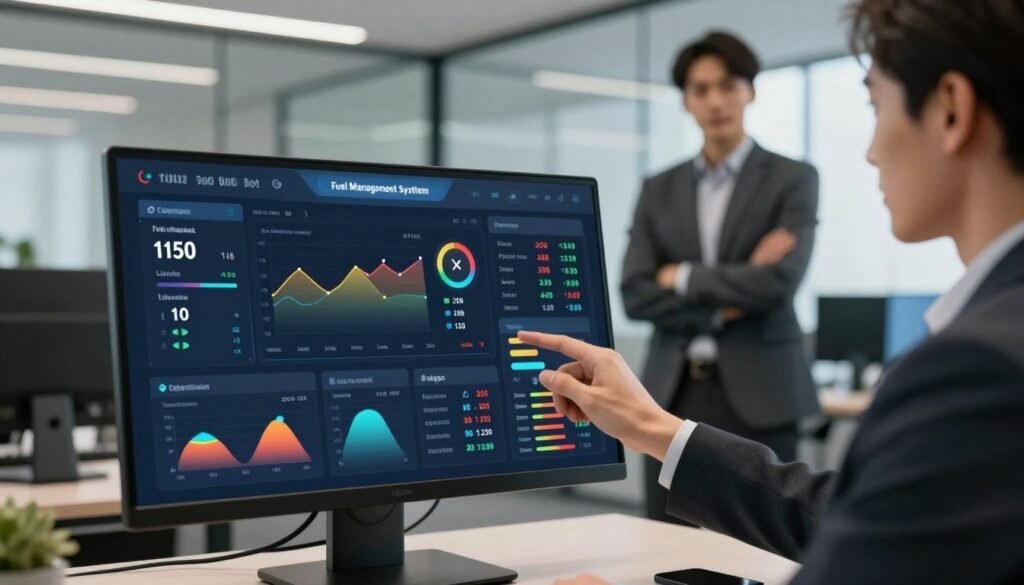
A connected fleet fuel program combines sensors, telematics units, data loggers, cameras, and dashboard software. Together, these tools show fuel level, usage, location, and vehicle status in one view. This fuel management data helps managers act before a delay becomes a missed route.
Fuel Level Monitoring and Automated Alerts
Automated alerts can flag low levels, excessive idling, speeding, unusual consumption, or service needs. Faulty oxygen sensors may reduce mileage by up to 40%, so early warnings support maintenance, ECU scanning, synthetic fluid analysis, and drivetrain health checks.
Fuel Card Controls and Transaction Verification
Card controls can limit spending, transaction times, locations, and at-pump purchases. Verification compares fuel type, tank size, and location. Mismatches may reveal misuse or theft before costs grow.
Telematics, GPS, and Fleet Dashboard Integration
| Feature | Operational Use | Outcome |
|---|---|---|
| Level sensors | Track supply | Fewer shortages |
| Card rules | Restrict purchases | Stronger control |
| GPS dashboard | Review routes | Better efficiency |
Operational Benefits for Fleet Managers and Drivers
A well-timed coaching cue can turn an ordinary trip into a lesson in safer, more efficient driving. Clear feedback helps teams improve daily operations without creating a blame-focused culture.
Lower Fuel Usage Through Driver Feedback
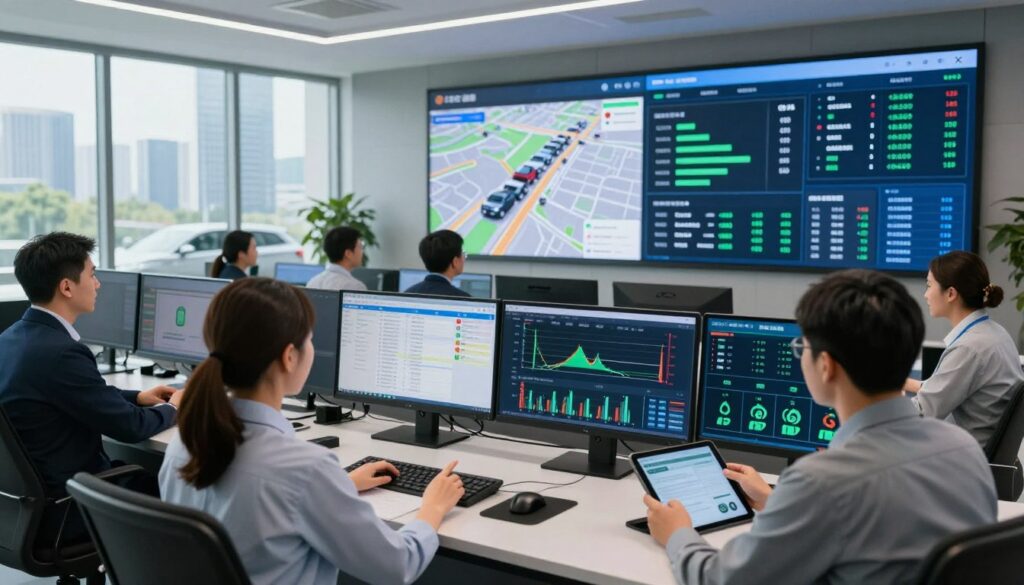
Live verbal prompts and gentle buzzer alerts can remind drivers to slow down, avoid harsh acceleration, and limit sudden braking. For example, a prompt may suggest smoother acceleration after repeated speed changes.
Aggressive driving can raise operating costs by up to 30%. In urban areas, it may also increase air pollutant emissions by 40%. Private coaching gives drivers a chance to adjust before an end-of-week report creates confusion or unfair assumptions.
Improved Dispatch Efficiency and Vehicle Availability
Centralized fuel management data shows which vehicles are ready, how much fuel they need, and when maintenance may affect availability. Dispatchers can then assign the right vehicle, reduce idle time, and protect route schedules.
Motive fuel cards can provide discounted purchases and partner pricing at maintenance shop. They also simplify driver expenses, support accurate reporting, and give managers better control over operating costs. This practical approach strengthens fleet management while improving vehicle performance and driver confidence.
Using Fuel Data to Control Costs and Improve Fleet Performance
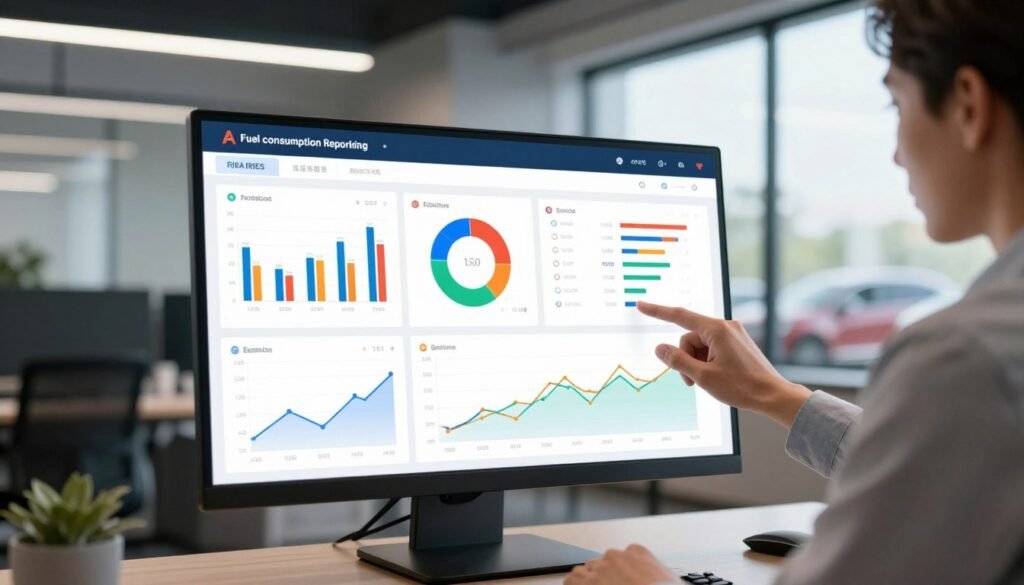
Clear records turn daily vehicle activity into practical cost control. A fuel management system can compare fuel consumption, actual MPG, odometer miles, tank levels, and idle time for each unit. Managers can then spot patterns across the entire fleet and set a useful baseline for performance.
Fuel Consumption, Idling, and MPG Reporting
Geotab’s Sustainability Overview reports CO2 emissions beside fuel usage and operating results. Its monitoring can separate true idling from power take-off activity. That exclusion creates fairer driver comparisons, especially for work vehicles that run equipment while parked. Motive also benchmarks fuel data from more than 700,000 vehicles, giving teams broader context.
Detecting Theft and Transaction Anomalies
Location records, card transactions, and tank levels can expose billing errors or possible theft. A mismatch between the purchase site, odometer reading, and vehicle position deserves review. ECU scanning may reveal a faulty oxygen sensor, while synthetic fluid analysis can uncover mechanical inefficiency. These insights help fleet managers reduce fuel costs and schedule maintenance with better control.
| Data Point | What It Shows | Recommended Action |
|---|---|---|
| MPG and miles | Efficiency changes | Check trends by vehicle |
| True idle time | Unproductive running | Coach drivers fairly |
| Card and location data | Purchase anomalies | Verify transactions promptly |
Common Mistakes That Increase Fuel Costs and Downtime
Routine errors can raise operating costs and leave a vehicle unavailable. A simple review process helps managers correct problems before they affect schedules.

- Speeding and harsh acceleration: Aggressive driving may increase fuel costs by up to 30%. Coach drivers on smooth starts, steady speeds, and early braking.
- Skipped tire checks: Low pressure can reduce mileage by up to 30%. Check tires during daily inspections.
- Delayed repairs: Postponed ECU scans can hide oxygen-sensor faults. These faults may cut mileage by up to 40%, so schedule maintenance quickly.
- Manual records: Replace paper receipts with automated reporting. A management system can compare usage, consumption, and location data, helping fleet managers spot issues in less time.
- Card misuse: Fuel cards with spending, location, transaction, and purchase limits improve control. These rules can reduce theft and avoidable costs.
Use weekly reports to review trends, confirm unusual purchases, and keep each fleet ready for work. Consistent monitoring supports better decisions without adding work for drivers.
| Mistake | Risk | Correction |
|---|---|---|
| Harsh driving | Higher cost | Coach smoother driving |
| Low tire pressure | Poor mileage | Inspect daily |
| Card misuse | Unauthorized purchases | Set card limits |
Conclusion
On-site refueling, connected records, driver coaching, and preventive care improve vehicle availability and performance. A fuel management system works best when it links fueling records with diagnostics, service planning, dispatch, and driver behavior.
Fuel accounts for about 21% of operating costs, while Solaris Oilfield Infrastructure reported $70,000 in savings. Precision tuning, ECU scanning, synthetic fluid analysis, and drivetrain checks also support engine longevity beyond lower spending.
Who benefits from on-site refueling and fleet fuel management?
Fleet managers, drivers, dispatchers, technicians, and daily vehicle operators benefit. Shared records improve planning, support safer work, simplify service timing, and help each vehicle return to productive duty with fewer schedule surprises.
What does a modern fuel management system monitor?
It monitors fuel levels, MPG, idling, odometer miles, transactions, locations, engine data, CO2 emissions, and maintenance indicators. This software helps teams compare trends, verify purchases, and schedule timely inspections with confidence.
How can fleet fuel solutions reduce downtime?
Mobile fueling, alerts, route coordination, card controls, diagnostics, and preventive maintenance limit delays. Teams can identify low supply, unusual use, or service risks before vehicles become unavailable for work unexpectedly.
Why should fueling data be connected with vehicle maintenance?
Consumption changes can expose tire pressure, engine, oxygen-sensor, braking, or drivetrain problems. Early review supports precision tuning, ECU scanning, synthetic fluid analysis, and longer engine life before breakdowns raise costs.