Have you ever wondered how some engines seem to run like new, while others struggle with performance issues? The secret often lies in effective carbon removal. HHO hydrogen cleaning is an innovative process that targets carbon deposits within your engine, restoring its efficiency and power.
This advanced method utilizes a specialized hydrogen-oxygen mix to dissolve stubborn buildup, ensuring your vehicle operates smoothly. By focusing on professional carbon cleaning, we can address the root causes of power loss that affect many modern engines. In this guide, we will explore how this process works and why it is becoming the industry standard for maintaining engine health.
Understanding the science behind HHO carbon cleaning can help you make informed decisions about your vehicle’s maintenance. Get ready to discover how this revolutionary solution can enhance your engine’s performance and longevity.
Key Takeaways
- HHO hydrogen cleaning effectively removes carbon deposits to restore engine performance.
- This method uses a non-invasive process that does not require engine disassembly.
- Regular carbon cleaning can significantly improve fuel economy and throttle response.
- The process is eco-friendly, producing no toxic chemicals or messy oil changes.
- It is suitable for various internal combustion engines, including gasoline and diesel.
- For more details, check out this link.
Understanding Carbon Deposits and Traditional Cleaning Methods
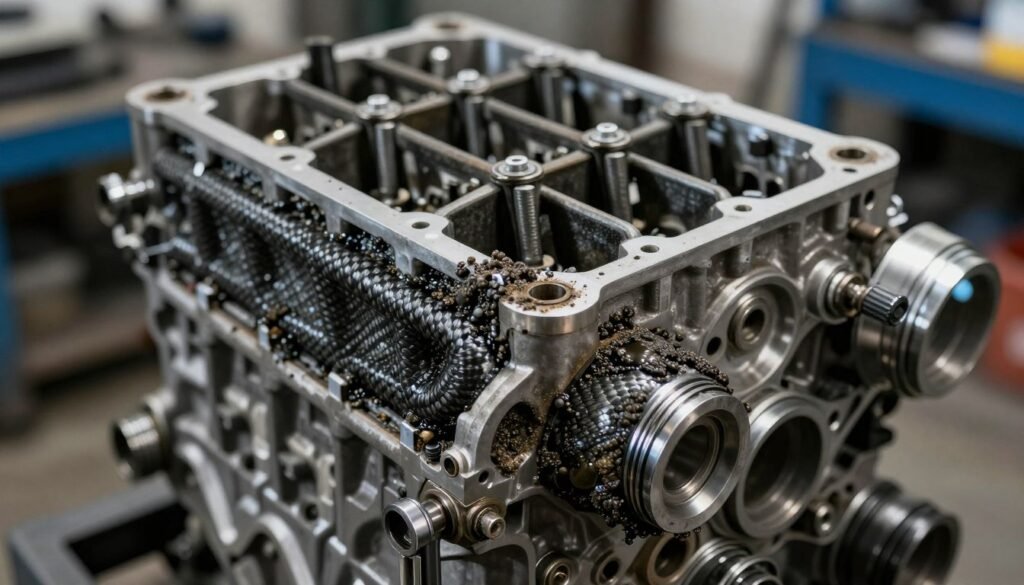
Why do some engines perform optimally while others struggle with efficiency? A significant factor is the presence of carbon deposits. These residues can lead to performance loss and increased fuel consumption in both diesel and gasoline engines.
Carbon deposits accumulate inside the engine when fuel isn’t burned efficiently. This results in unburned particles gathering in the cylinders. Unfortunately, traditional cleaning methods often fall short:
- Manual disassembly is required, which can be time-consuming and labor-intensive.
- Harsh chemical additives may not effectively reach all affected engine components.
- The buildup of carbon can restrict airflow, leading to incomplete combustion.
- Conventional techniques often miss critical areas that advanced technology can address.
When carbon buildup hardens on valves and pistons, it can severely reduce engine performance. This increases the risk of costly mechanical failures over time. Understanding how carbon deposits impact your engine helps emphasize the importance of professional engine carbon cleaning for vehicle longevity.
The Science Behind HHO hydrogen cleaning Process
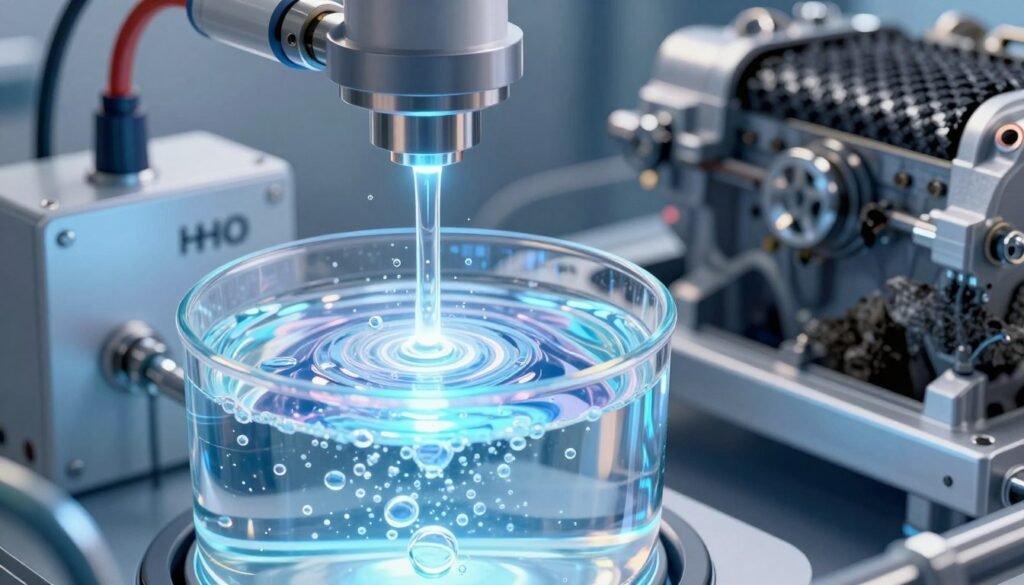
Understanding how innovative processes work can reveal why some engines run more efficiently than others. The HHO cleaning process begins with electrolysis, where an electric current passes through water mixed with an electrolyte, such as potassium hydroxide. This reaction generates HHO gas, a potent blend of hydrogen and oxygen.
Once this gas enters the combustion chamber, it initiates a chemical reaction. This reaction effectively breaks down carbon deposits into smaller, manageable particles. As a result, engine carbon is oxidized and safely expelled through the exhaust system. This non-invasive method does not require disassembly of the engine or its components.
By utilizing hydrogen oxygen molecules, the HHO carbon cleaning process can reach areas within the combustion chamber that standard tools cannot access. Our expert analysis confirms that the reaction triggered by HHO gas is the most efficient way to eliminate carbon deposits from modern engines. For more detailed insights into this process, visit this link.
Benefits and Performance Enhancements from HHO Cleaning
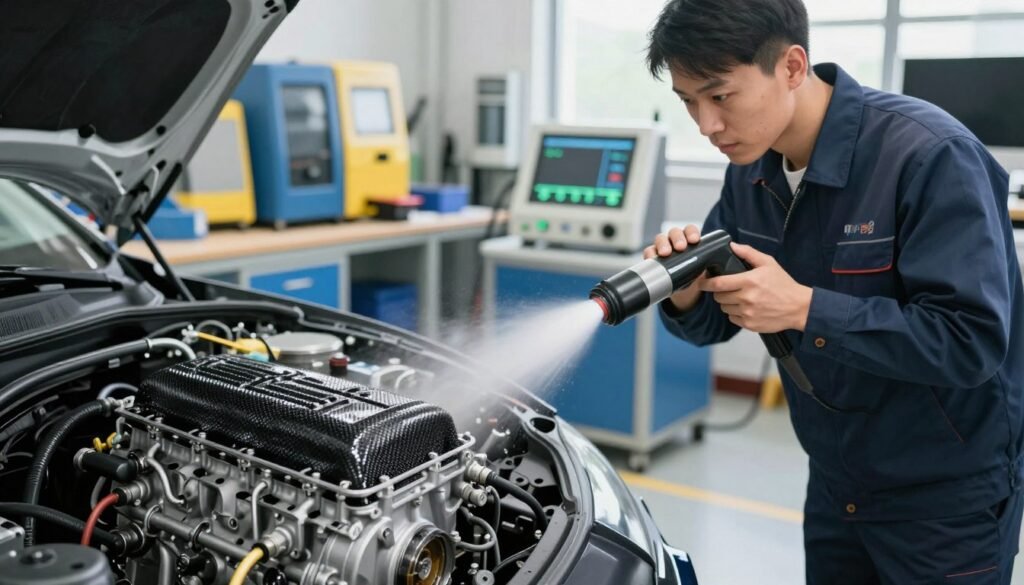
Understanding the benefits of effective maintenance can lead to significant improvements in engine operation. Regular carbon cleaning not only enhances fuel efficiency but also boosts overall engine power.
Drivers often experience an immediate increase in performance after carbon deposits are removed from the combustion chamber. This results in smoother acceleration and a more responsive driving experience.
The environmental impact of this cleaning process is minimal, as it primarily uses water to generate gas, leading to lower harmful emissions. By preventing carbon buildup, you help extend your engine’s life and reduce the chances of costly repairs.
Our expert data indicates that removing carbon deposits can lead to a 10-15% reduction in fuel consumption. This makes it a highly cost-effective maintenance choice for any vehicle owner.
For those looking to keep their engines in top condition, we recommend HHO carbon cleaning as a preventive measure to meet modern environmental standards.
Practical Implementation and Machine Technologies
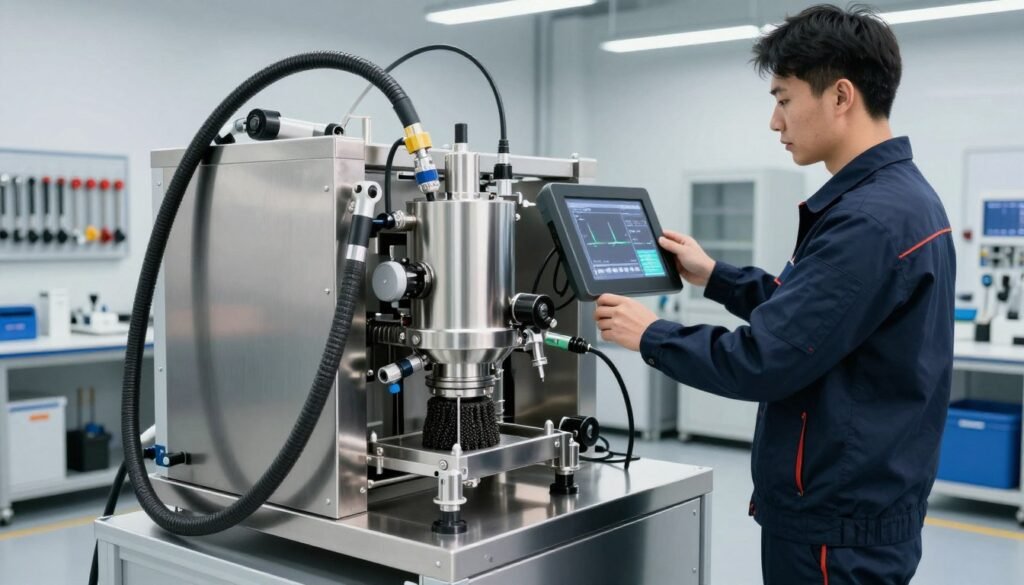
The efficiency of engines can vary greatly, with some operating smoothly while others face performance challenges. Modern decarbonizer equipment plays a crucial role in enhancing engine performance through effective carbon removal.
Professional workshops often utilize machines like the KingKar HHO and Oxyhtech ULTRA. These machines provide a safe, non-invasive service that connects directly to the vehicle’s air intake. As the engine idles, the HHO gas circulates through the system, effectively targeting carbon deposits.
The typical cleaning process takes between 60 and 90 minutes, making it convenient for busy car owners and fleet managers. Using specialized machines ensures that the water-based mixture is delivered at a controlled rate, maximizing both safety and effectiveness.
Moreover, this machine-based service is cost-effective. It prevents the need for expensive repairs caused by excessive carbon buildup. Our expert review of the NOVA machine shows it is designed for high-rotation workshops, ensuring superior power for heavy-duty engines.
By choosing certified equipment for your engine carbon cleaning, you ensure that your vehicle receives the highest standard of care. For more information, explore the benefits of hydrogen carbon cleaning machines here.
Conclusion
The journey of maintaining engine health is crucial for optimal performance and longevity. Utilizing advanced methods for carbon removal can significantly enhance your vehicle’s efficiency. By integrating these innovative processes into your regular maintenance routine, you can expect improved fuel economy and reduced harmful emissions.
Advanced technologies ensure that your engine remains free from damaging buildup without invasive disassembly. This method is not only cost-effective but also safe for various modern car engines. Investing in professional engine carbon cleaning protects your vehicle and keeps it running smoothly for years to come.
Ultimately, removing carbon deposits is the key to maintaining power and reliability in your engine. Make the choice to prioritize your vehicle’s health today!