Have you ever wondered if your vehicle could run more efficiently with proper HHO engine cleaning? Over time, dirt, grease, and debris accumulate under the hood, affecting your engine’s appearance and making it harder to spot leaks or worn components. Professional engine cleaning helps remove built-up grime, making maintenance easier while supporting better performance and extending the life of your vehicle. Keeping your engine clean not only improves reliability but also helps protect one of your car’s most valuable components.
As an expert in HHO technology, I can tell you that neglecting engine maintenance can result in harmful deposits building up over time. This buildup can affect how efficiently your car operates. Regular checks and cleaning can help you spot leaks and other issues early, ensuring that your vehicle runs smoothly.
In this article, we will explore five clear signs that indicate your vehicle needs an HHO engine cleaner. Understanding these signs can save you from costly repairs and keep your car in peak condition. Let’s dive in!
Key Takeaways
- Regular maintenance is crucial for vehicle longevity.
- A clean engine bay enhances overall performance.
- Neglecting maintenance can lead to expensive repairs.
- Spotting issues early can save time and money.
- Understanding signs of a dirty engine can improve efficiency.
Understanding HHO Engine Cleaning
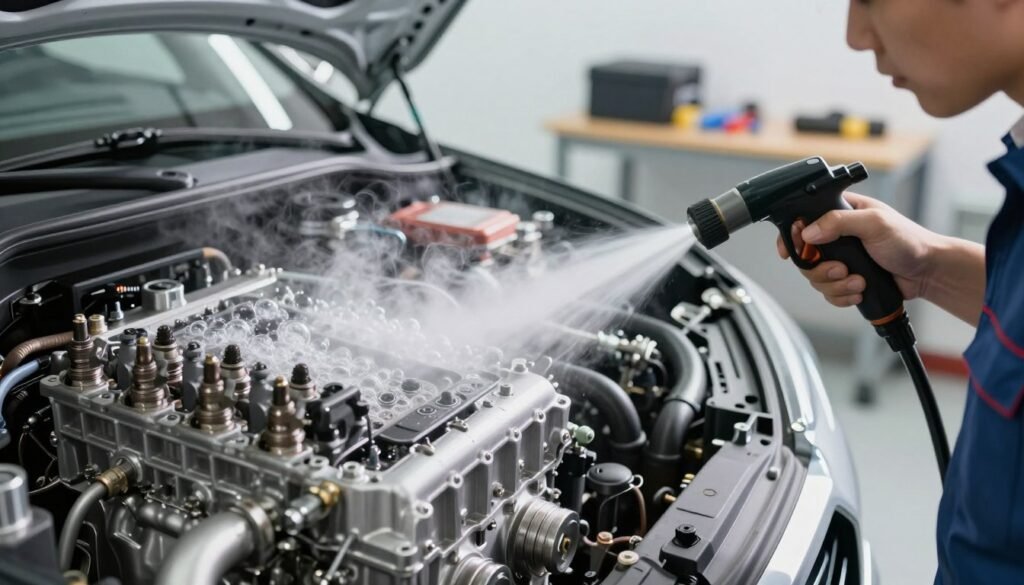
Is your vehicle performing at its peak potential? HHO cleaning is an innovative method that utilizes hydrogen and oxygen to effectively remove carbon buildup from engine components. This process is crucial for maintaining the health of your vehicle’s engine bay.
Using a non-corrosive household cleaner like Simple Green ensures that your car engine remains safe from damage. This cleaner is safe for chrome and aluminum, making it ideal for regular maintenance. Always remember to check local car wash regulations before starting the cleaning process.
Before using a garden hose, protect sensitive electrical components with plastic bags and tape. A clean engine bay promotes better airflow, preventing overheating and enhancing performance. Utilizing a soft brush helps reach tight areas around the intake and battery, ensuring a thorough clean.
| Benefit | Description | Impact on Vehicle |
|---|---|---|
| Improved Airflow | Reduces overheating and enhances performance. | Increases engine efficiency. |
| Prevent Damage | Non-corrosive cleaners protect engine components. | Extends lifespan of parts. |
| Enhanced Resale Value | Regular cleaning keeps the engine bay looking new. | Attracts potential buyers. |
Signs Your Vehicle Needs HHO Cleaning
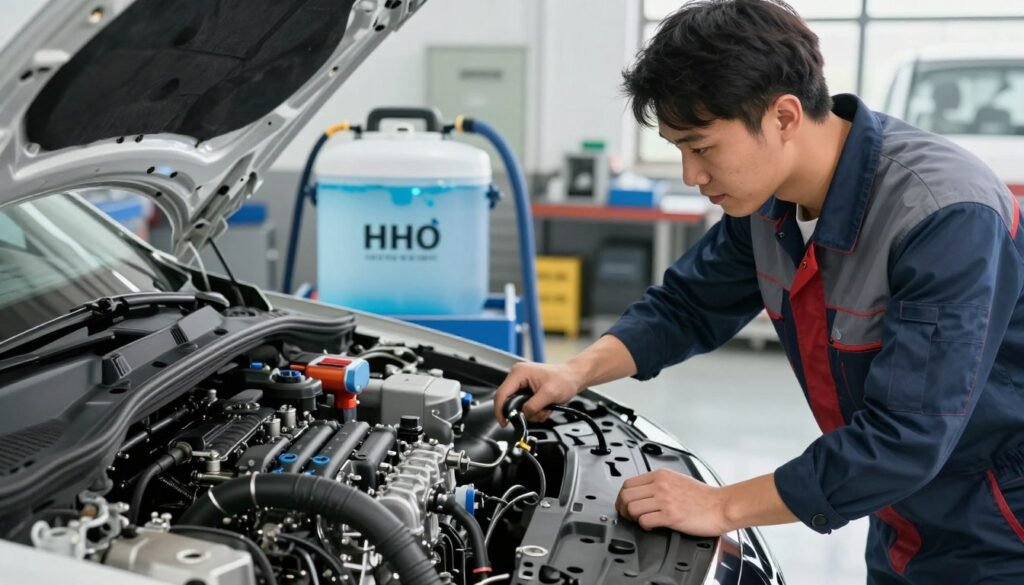
Do you feel like your vehicle lacks its usual power? Recognizing the signs of a struggling engine is crucial for maintaining your car’s performance. Here are some key indicators that it might be time for an HHO cleaning:
- When your car engine struggles to maintain power, carbon deposits may be affecting performance.
- Visible grease and grime on engine bay components can lead to overheating by blocking airflow.
- Debris such as leaves or twigs under the hood signals a need for a thorough cleaning process.
- Using a degreaser to remove oil and dirt is essential for protecting sensitive electrical components.
- A professional cleaning routine often involves using a brush and water to safely eliminate stubborn grime.
- Inspecting the engine bay for fluid leaks is easier once the area is clean and free of debris.
- Compressed air is great for drying hard-to-reach areas, preventing rust on metal components.
- Maintaining a schedule of 1-2 cleanings per year will keep your vehicle running smoothly.
Engine Cleaning: Step-by-Step How-To Guide
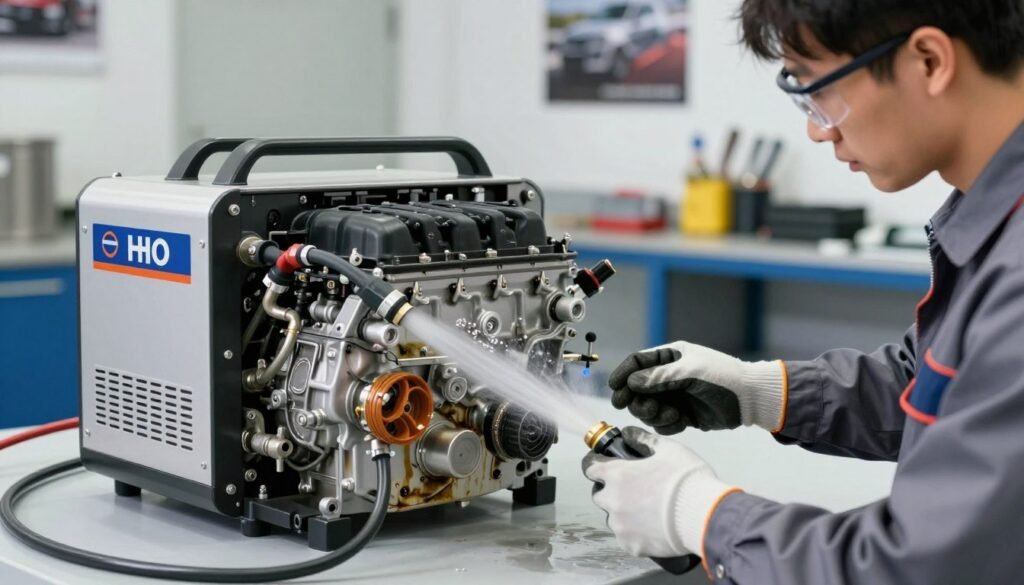
Are you unsure about how to properly maintain your vehicle’s performance? Following a structured cleaning process can significantly enhance your car’s efficiency. Let’s explore essential steps for a thorough engine bay cleaning.
Preparatory Safety Measures and Equipment
Before you begin, ensure the engine is cool to the touch. Spraying water on a hot engine can warp or crack metal parts. Cover sensitive electrical components, like the battery and alternator, with plastic bags and tape to prevent water damage.
Manual Cleaning vs. Pressure Washing Techniques
Apply your chosen degreaser to the engine bay and let it sit for 3-5 minutes. This time allows the cleaner to break down grease and grime effectively. If using a pressure washer, maintain a distance of 3-5 feet to avoid forcing water into sensitive areas.
Post-Cleaning Maintenance and Reassembly
After rinsing, use compressed air or a clean towel to dry the engine surfaces thoroughly. This step is crucial to prevent moisture from causing corrosion. Once everything is dry, remove the plastic bags and reconnect the battery terminal.
Regular cleaning of your car engine using these professional techniques will maintain the appearance and performance of your vehicle for years to come. For more detailed instructions, check out this cleaning guide and consider additional services like custom chroming for enhanced aesthetics.
Conclusion
Keeping your vehicle in top shape is essential for reliability and performance. A clean engine bay is a straightforward way to achieve this. By following the steps outlined in this guide, you can effectively remove dirt, oil, and grime that can harm your vehicle’s longevity.
Protecting electrical components while using the right cleaner is crucial for a successful maintenance project. Regular upkeep not only enhances the visual appeal of your engine bay but also helps you identify potential issues before they escalate into costly repairs.
With the right tools and a little time, you can ensure your engine runs efficiently and safeguard your investment for the long term. For professional assistance, consider services that focus on maintaining your vehicle’s performance, such as agricultural construction equipment maintenance.