Hydraulic Services: How to Prevent Catastrophic System Failures
Have you ever wondered what could happen if your hydraulic system fails unexpectedly? The consequences can be dire, especially for businesses that rely on complex machinery. Proper hydraulic services are crucial for maintaining operational continuity, maximizing equipment performance, and ensuring safety standards are consistently met.
Neglecting maintenance can lead to sudden, costly downtime. Regular inspections allow businesses to catch minor issues before they escalate into major failures. Expert technicians ensure that every component operates within specified pressure and temperature ranges, protecting your investment.
Implementing a proactive maintenance schedule is the best way to ensure the longevity of your critical industrial assets. This not only minimizes risks but also enhances efficiency. To learn more about effective maintenance strategies, check out this article on hydraulic system maintenance tips.
Key Takeaways
- Regular maintenance prevents costly downtime.
- Proactive inspections help identify minor issues early.
- Expert oversight ensures components function correctly.
- Implementing a maintenance schedule protects investments.
- Proper maintenance can extend the life of your machinery.
The Fundamentals of Hydraulic Systems
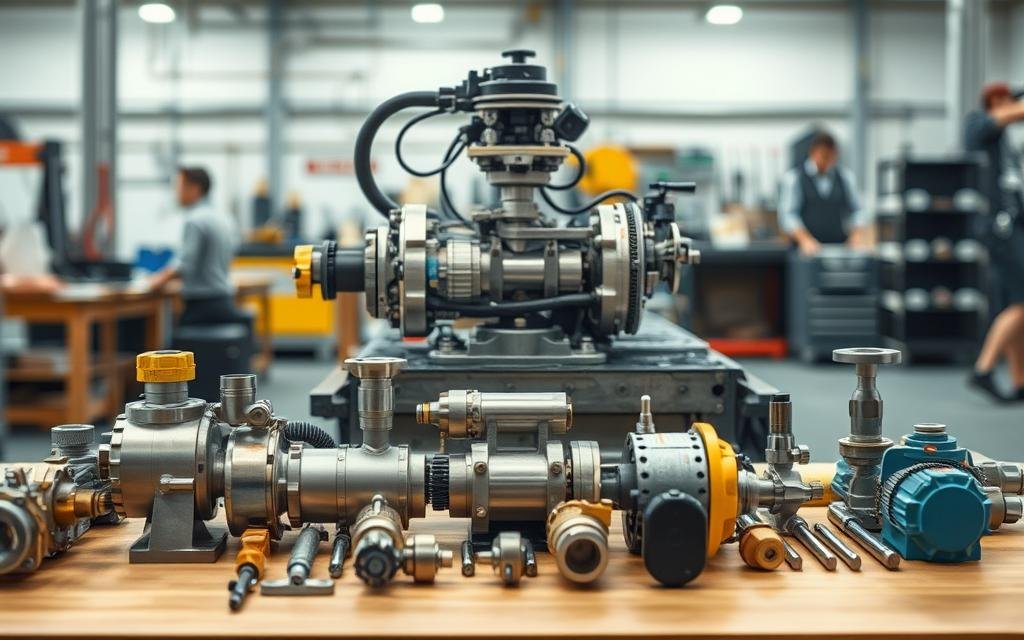
To ensure smooth operations, it’s vital to grasp how hydraulic systems work. These systems rely on various components to function effectively. Understanding the role of each component is essential for maintaining the integrity of the entire system.
Common components include valves, cylinders, pumps, and hoses. Each part plays a unique role in the hydraulic circuit. Jerry Johnson, with over 35 years of experience, emphasizes that identifying the root cause of a failure is the first step in any successful repair.
Common failure points in hydraulic equipment often include worn seals, contaminated fluid, or degraded hoses that can no longer withstand high-pressure operations. Regular monitoring allows operators to detect early warning signs, such as unusual noises or sluggish movement in mechanical actuators.
Proper knowledge of how each component interacts within the circuit helps technicians perform more accurate diagnostics during routine maintenance checks. For more information on effective equipment solutions, visit agricultural construction equipment services.
| Component | Function | Common Issues |
|---|---|---|
| Valves | Control fluid flow | Worn seals |
| Cylinders | Convert fluid pressure to mechanical force | Contaminated fluid |
| Pumps | Generate fluid flow | Degraded hoses |
| Hoses | Transport hydraulic fluid | High-pressure leaks |
Expert Hydraulic Services for Preventing System Failures
Preventing system failures is vital for maintaining operational efficiency. At Ace Tunes, our dedicated team offers expert solutions to keep your machinery running smoothly throughout the year. We focus on preventative maintenance techniques that help avoid costly emergency repairs and unplanned production halts.
By utilizing advanced diagnostic tools, our company can identify internal leaks or pressure irregularities that standard inspections might miss. This proactive approach ensures that your equipment remains in top condition.
Our commitment to quality means we provide high-quality repair options that restore your machinery to its original performance specifications. We also offer comprehensive services, including fluid analysis and system flushing, to eliminate contaminants that can harm internal components.
| Service | Description | Benefits |
|---|---|---|
| Preventative Maintenance | Regular inspections and upkeep | Avoids emergency failures |
| Advanced Diagnostics | Identifying leaks and irregularities | Improves system reliability |
| Fluid Analysis | Testing fluid quality | Extends component life |
| System Flushing | Removing harmful contaminants | Enhances performance |
Techniques for Maintaining Optimal Hydraulic Equipment Performance
For effective operation, hydraulic equipment demands consistent monitoring and care. Routine inspections are essential to address the specific needs of high-pressure applications found in various settings.
Regular evaluations of components like cylinders and pumps are vital. They help identify signs of fatigue that could lead to unexpected repairs. Our professional hydraulic services include assessing adapter fittings, pressure gauges, and ball valves to maintain peak operational efficiency.
Our service center is equipped to handle the diverse needs of our clients. We ensure that every piece of hydraulic equipment remains in top working condition.
Hydraulic System Troubleshooting and Robust Repair Methods
Troubleshooting hydraulic systems requires a strategic approach to ensure effective repairs. Our company provides both on-site and off-site repair strategies to address the urgent needs of contractors and industrial operators across the region.
As a factory-approved service center for Stanley and Enerpac Tools, we guarantee that every repair utilizes genuine parts for maximum reliability. Troubleshooting a complex hydraulic system often involves identifying whether issues arise from electrical controls or mechanical pump failures.
We offer robust solutions for replacing worn-out parts, ensuring that your hydraulic equipment is restored to full functionality as quickly as possible. By integrating high-quality component replacements into your business operations, you minimize the risk of future breakdowns and extend the life of your machinery.
Additionally, check out our diesel truck service checklist for more maintenance tips.
Conclusion
Maintaining a reliable hydraulic system is key to sustaining your business’s productivity. It requires a combination of routine inspections, expert diagnostics, and high-quality replacement parts. Recognized as the Domestic Hose MFG of the year 2025, NRP Jones emphasizes the importance of using industry-leading components for all repairs.
Consistent attention to your equipment prevents catastrophic failures that can lead to significant financial losses and operational downtime. By partnering with experienced professionals, you ensure that your machinery receives the specialized care needed to perform under demanding conditions.
Investing in proactive maintenance today is the most effective strategy for securing the long-term productivity and safety of your industrial assets.