“The best way to predict the future is to create it.” – Peter Drucker. This quote resonates deeply when considering the health of your vehicle’s engine. In the world of diesel engines, making informed choices about maintenance and investing in professional diesel services can shape the longevity, reliability, and performance of your truck or car.
Diesel engines are known for their durability and efficiency, but they are not immune to issues. Over time, carbon deposits can accumulate, hindering power and fuel efficiency. This makes the decision between HHO diesel service and chemical decarbonization crucial for any vehicle owner. Each method offers unique benefits and potential risks that can significantly impact engine health.
Understanding these two decarbonization methods is essential for maintaining your engine’s performance. In this article, we will explore how HHO diesel service utilizes hydrogen and oxygen to break down carbon, compared to the solvent-based approach of chemical decarbonization. By the end, you’ll be equipped to make the best choice for your engine’s needs.
Key Takeaways
- Carbon buildup can reduce engine power and efficiency over time.
- HHO diesel service uses hydrogen and oxygen to clean engines.
- Chemical decarbonization relies on solvent-based agents.
- Choosing the right method is vital for engine safety.
- Proper maintenance can extend the life of diesel engines.
Understanding the Need for Diesel Service

Every vehicle owner knows that regular maintenance is key to longevity. This is especially true for diesel engines, which are built to endure heavy use. However, even the toughest engines require attention as they age. Understanding the components and common issues can help you keep your vehicle running smoothly.
Key Components of Diesel Engines
Diesel engines operate differently than gasoline engines. They rely on high compression ratios to ignite fuel without spark plugs. Key components include:
- Glow Plugs: Essential for quick starts in cold weather, they heat up rapidly.
- Turbochargers: These increase air intake, enhancing efficiency and power output.
- Fuel Delivery System: This includes precision injectors and filters to prevent contamination.
Common Issues Impacting Diesel Engine Performance
Despite their robust design, diesel engines can face several performance issues. Common problems include:
- Hard starting or difficulty igniting the engine.
- Excessive smoke and power loss at lower RPMs.
- Increased fuel consumption, often linked to carbon buildup or worn components.
Carbon deposits can accumulate on intake valves and within the exhaust system, choking airflow. This disruption can lead to inefficient combustion, affecting overall performance.
Importance of Regular Maintenance and Diagnostics
Regular maintenance is crucial for diesel engines. Most trucks require oil and filter changes every 5,000 to 7,500 miles. This interval may shorten if the vehicle is frequently towed or operated in dusty conditions. A thorough digital inspection during each visit should cover:
- Cooling system condition
- Belts and hoses
- Filters and potential leaks
By keeping up with maintenance, you can prevent minor issues from escalating into costly repairs. Skilled technicians with deep knowledge of diesel systems are essential for accurate diagnostics. They can identify problems that may not be audible to the untrained ear.
Understanding your engine’s needs and adhering to the manufacturer’s recommended service intervals will help preserve power and fuel economy. For more information on diesel truck service, check out this service checklist.
What Is HHO Diesel Service?
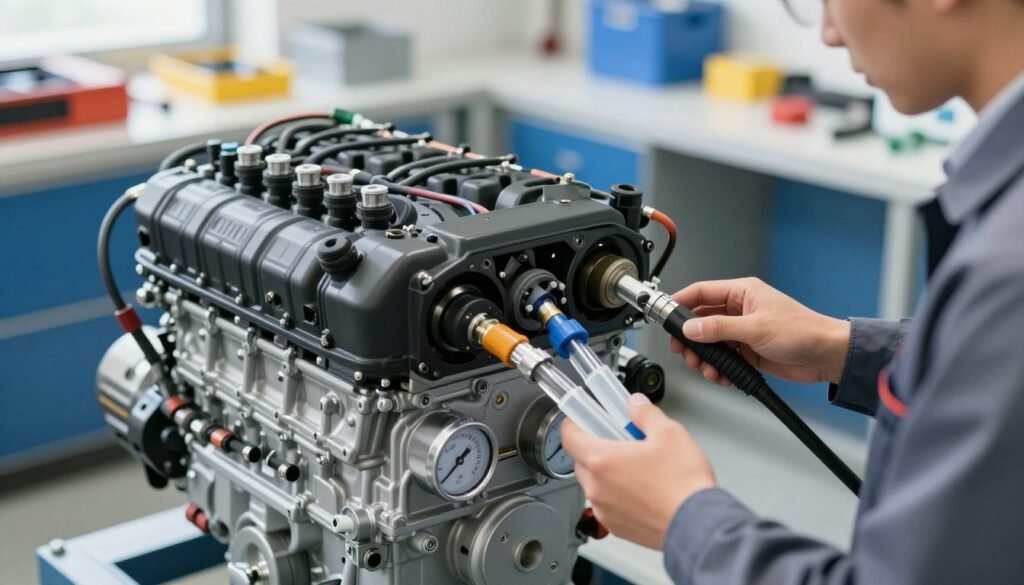
HHO diesel service represents a breakthrough in engine maintenance. This modern approach offers a non-invasive method for decarbonizing diesel engines, enhancing both performance and efficiency.
Understanding how HHO systems work is essential for appreciating their benefits. These systems utilize a precise mixture of hydrogen and oxygen gas introduced into the engine’s air intake system. This innovative process safely breaks down and removes carbon deposits that can hinder engine performance.
How HHO Systems Work in Diesel Engines
The HHO system operates through an onboard electrolysis unit. This unit splits distilled water into hydrogen and oxygen, creating a combustible gas. This gas is then drawn into the combustion chamber alongside the regular air and fuel mixture.
As the hydrogen-oxygen gas travels through the intake manifold and into the cylinders, it raises combustion temperatures just enough to oxidize and dislodge hardened carbon deposits. This method avoids the thermal shock and chemical stress that can occur with more abrasive cleaning techniques.
Moreover, HHO diesel service treats the entire intake and exhaust pathway simultaneously. This comprehensive approach allows access to areas that are typically difficult to reach, such as:
- Turbocharger housing
- EGR valve passages
- Upper piston rings
Benefits of HHO Diesel Service on Fuel Efficiency and Engine Health
One of the most significant advantages of HHO diesel service is the measurable improvement in fuel efficiency. Clean intake valves and combustion chambers restore proper airflow dynamics, allowing the fuel delivery system to operate at its designed air-to-fuel ratio.
Additionally, engine health is notably enhanced post-treatment. The removal of carbon buildup reduces hot spots that can lead to pre-ignition. It also lowers exhaust gas temperatures and decreases strain on the cooling system and oil.
Engines that receive regular HHO diesel service often experience:
- Smoother idling
- Quicker throttle response
- Restored power output
This service is particularly beneficial for trucks used in towing, hauling, or high-mileage commercial applications. It not only improves performance but also supports long-term engine reliability.
Moreover, HHO diesel service is environmentally friendly, producing no harmful chemical runoff or toxic waste. It can be performed as part of a routine maintenance schedule without requiring extensive disassembly of engine components.
Trained technicians operate HHO systems, monitoring the process in real time. They adjust the gas flow rate to match the specific displacement and condition of each diesel engine, ensuring a safe and effective cleaning cycle.
For diesel owners looking for a gentle yet thorough decarbonization method, HHO diesel service is a cutting-edge solution. This method is gaining traction in professional auto repair facilities, providing a reliable option for maintaining engine performance. For more details on diesel equipment maintenance, check out this service page.
Chemical Decarbonization Explained

Chemical decarbonization offers a different approach to cleaning diesel engines. This method utilizes solvent-based cleaning agents to remove carbon deposits that can accumulate over time. Understanding this process is essential for vehicle owners who want to maintain their engine’s performance.
The Process and Purpose of Chemical Decarbonization
The chemical decarbonization process typically involves introducing a specialized cleaning solution into the engine’s intake system. This solution is sprayed or foamed while the engine runs, allowing it to coat various internal surfaces. These include the intake valves, combustion chamber walls, and piston crowns.
Some procedures may require direct injection of the cleaning agent into each cylinder. This can necessitate partial disassembly of engine components, which may increase labor time. The primary purpose of this method is to restore lost performance by removing carbon layers that disrupt airflow and interfere with fuel delivery.
Potential Risks and Considerations for Engine Components
While chemical decarbonization can effectively improve engine performance, it carries potential risks. One concern is the possibility of chemical residue contaminating the engine oil. This contamination can reduce lubrication effectiveness and accelerate wear on critical components.
Aggressive solvents may also damage sensitive seals and gaskets, leading to leaks that require further repairs. Additionally, in engines with heavy carbon buildup, dislodged deposits can become trapped in the turbocharger or exhaust system, causing mechanical issues.
It is crucial for diesel owners to consult skilled technicians before proceeding with chemical decarbonization. These professionals can assess the condition of engine components and determine whether the benefits outweigh the risks. For more information on maintenance options, visit our services page.
Diesel Service Safety: Comparing HHO and Chemical Decarbonization

When it comes to maintaining your vehicle’s performance, understanding the safety of different cleaning methods is crucial. Two popular methods for decarbonizing engines are HHO diesel service and chemical decarbonization. Each method has its own strengths and weaknesses, particularly regarding effectiveness, impact on engine components, and safety protocols.
Effectiveness in Removing Carbon Deposits
In terms of effectiveness, HHO diesel service employs a gradual, heat-based oxidation process. This method reaches every surface exposed to combustion gases. On the other hand, chemical decarbonization relies on solvent contact time. This can sometimes miss deposits in hard-to-reach areas of the intake and exhaust systems.
HHO treatment penetrates the turbocharger housing and EGR cooler passages uniformly. Chemical methods, however, may struggle to achieve consistent coverage in complex diesel systems. This is especially true for vehicles with variable geometry turbochargers and multi-stage emissions equipment.
Impact on Engine Components and Long-Term Reliability
The impact on engine components is a critical factor to consider. HHO diesel service is non-abrasive and leaves no chemical residue. This means engine oil remains uncontaminated, and sensitive seals, gaskets, and sensors are protected from corrosive solvents. In contrast, chemical decarbonization can introduce substances that degrade rubber and plastic components over time.
Moreover, any solvent that bypasses the piston rings can enter the crankcase. This potentially thins the oil and reduces its ability to protect bearings and turbocharger shafts. Long-term reliability studies indicate that engines treated with HHO service maintain consistent compression readings. In contrast, chemical treatments may necessitate an immediate oil change to mitigate contamination risks.
Safety Protocols and Technician Expertise
Safety protocols are essential for both methods. HHO diesel service includes real-time monitoring of exhaust gas temperatures and strict control of hydrogen flow rates. Trained technicians manage these processes, ensuring safety during the operation.
For chemical decarbonization, safety protocols focus on proper ventilation to manage solvent fumes. Technicians must use personal protective equipment to prevent skin and eye contact with caustic agents. Additionally, they must follow careful disposal procedures for chemical waste to comply with environmental regulations.
Technician expertise is paramount for both methods. HHO diesel service requires specialized training in hydrogen system operation and diesel combustion dynamics. Conversely, chemical decarbonization necessitates knowledge of solvent compatibility with specific engine materials.
A reputable diesel service facility will conduct a comprehensive digital inspection before recommending either method. This assessment provides owners with a clear understanding of carbon buildup severity and engine condition, helping them make informed decisions.
Ultimately, the choice between HHO and chemical decarbonization should consider the severity of carbon buildup, the engine’s service history, and your priorities regarding immediate results versus long-term component preservation.
How to Choose the Best Diesel Service Approach for Your Vehicle
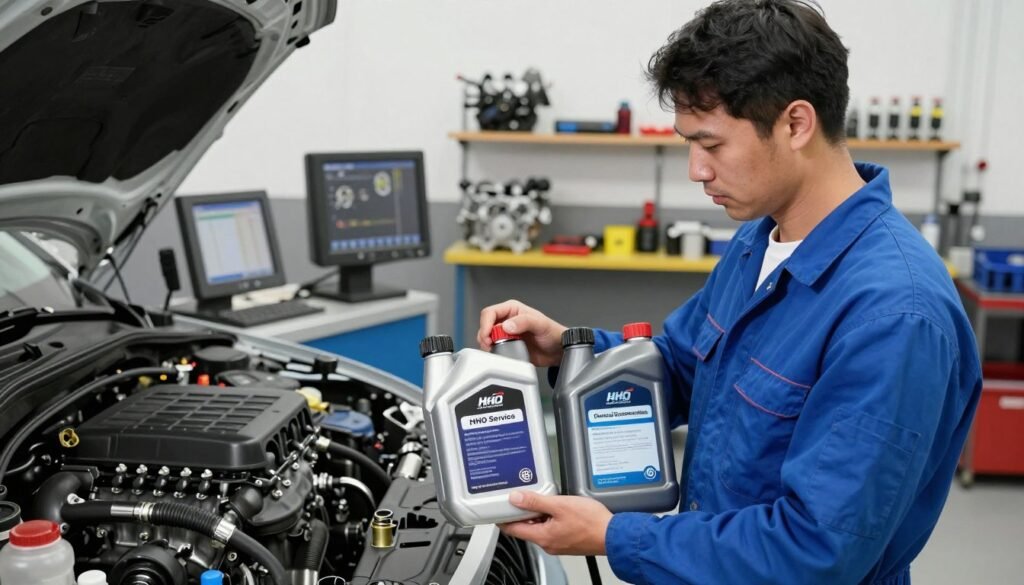
Deciding on the right approach for your vehicle’s maintenance can feel overwhelming. Understanding your engine’s condition and service needs is the first step in making an informed choice. A careful evaluation helps determine whether HHO or chemical decarbonization is the best fit for your vehicle.
Assessing Your Engine's Condition and Service Needs
Begin by assessing your engine’s current state. Key factors include mileage, service history, and any symptoms like hard starting or excessive smoke. These signs may indicate carbon buildup that requires attention.
A professional diagnostic evaluation is essential. This should include:
- A digital inspection with photos of critical components.
- Compression testing to check engine performance.
- Borescope examination of cylinder walls and intake valves, if necessary.
These assessments will help pinpoint the severity and location of carbon deposits, guiding your service decisions.
Importance of Quality Parts and Skilled Technicians
Quality parts and skilled technicians play a vital role in maintaining your engine’s health. Always opt for OEM or equivalent filters and fluids that meet diesel specifications. This ensures your engine receives the protection it was designed for.
Choosing ASE-certified technicians is also crucial. Their expertise in platforms like Chevy Duramax and Ford Power Stroke ensures that the recommended decarbonization method is performed safely and effectively. They understand the nuances of different diesel systems and can tailor the service to your vehicle’s needs.
Scheduling and Budget Considerations
When scheduling maintenance, consider the time required for each decarbonization method. HHO service typically completes within a few hours as a same-day option. In contrast, chemical decarbonization may take longer due to necessary disassembly and cleaning.
Budget considerations should extend beyond the initial service cost. Think about the long-term value of preserving engine components and maintaining optimal fuel economy. For instance, regular maintenance can prevent premature turbocharger or injector replacements.
Diesel owners who use their trucks for towing or commercial purposes should factor in the cost of downtime. Prioritize methods that minimize vehicle out-of-service time while maximizing cleaning effectiveness.
Regular maintenance scheduling, including oil changes every 5,000 to 7,500 miles, creates a foundation of engine health. This makes any decarbonization service more effective and longer-lasting. The right provider will help you develop a long-term maintenance plan that fits your schedule and budget.
Ultimately, combining a clear understanding of your engine’s needs with the expertise of a trusted auto repair team is the best approach. This ensures your vehicle’s safety, performance, and reliability remain top priorities.
| Service Type | Time Required | Cost Considerations | Impact on Engine |
|---|---|---|---|
| HHO Diesel Service | Same-day service (a few hours) | Moderate initial cost; long-term savings | Non-abrasive; preserves engine components |
| Chemical Decarbonization | Longer (may require disassembly) | Potentially higher due to labor | Risk of chemical residue; may require oil change |
Conclusion
Choosing the right maintenance method for your vehicle can significantly impact its longevity. The comparison between HHO and chemical decarbonization highlights the strengths and weaknesses of each approach. HHO diesel service is a non-invasive method that effectively preserves engine components, while chemical decarbonization can provide quick performance boosts but carries risks.
Regardless of your choice, the expertise of the repair team is vital. Skilled technicians ensure that the method aligns with your vehicle’s specific needs. Regular maintenance, including oil changes and inspections, is crucial for preventing issues and extending engine life.
As the automotive industry evolves, staying informed about new technologies empowers you to make the best decisions. When ready to tackle carbon buildup, consult a trusted auto repair facility to tailor the approach to your vehicle’s condition and your driving habits.