Have you ever wondered how a simple warning light can signal a deeper issue within your vehicle? Understanding automotive diagnostic trouble code are essential for fleet managers aiming to maintain their vehicles’ health and efficiency. These codes act as a crucial communication link between a vehicle and a technician, revealing potential problems that could impact operations.
The Society of Automotive Engineers (SAE) established standardized codes to ensure compliance with regulations like the Clean Air Act. In this guide, we will explore how the onboard computer system monitors engine performance, ensuring that every vehicle operates within specified parameters. By identifying a check engine light early, you can prevent minor faults from escalating into major failures that disrupt your fleet logistics.
Join us as we delve into the critical relationship between electronic diagnostics and the physical health of your fleet, ensuring you maintain peak performance across all assets.
Key Takeaways
- Understanding trouble codes is vital for effective fleet management.
- Early detection of a check engine light can save time and money.
- Onboard systems play a key role in monitoring vehicle performance.
- Compliance with regulations helps maintain operational efficiency.
- Effective diagnostics can prevent minor issues from becoming major problems.
Fleet Management and the Role of Diagnostic Trouble Codes
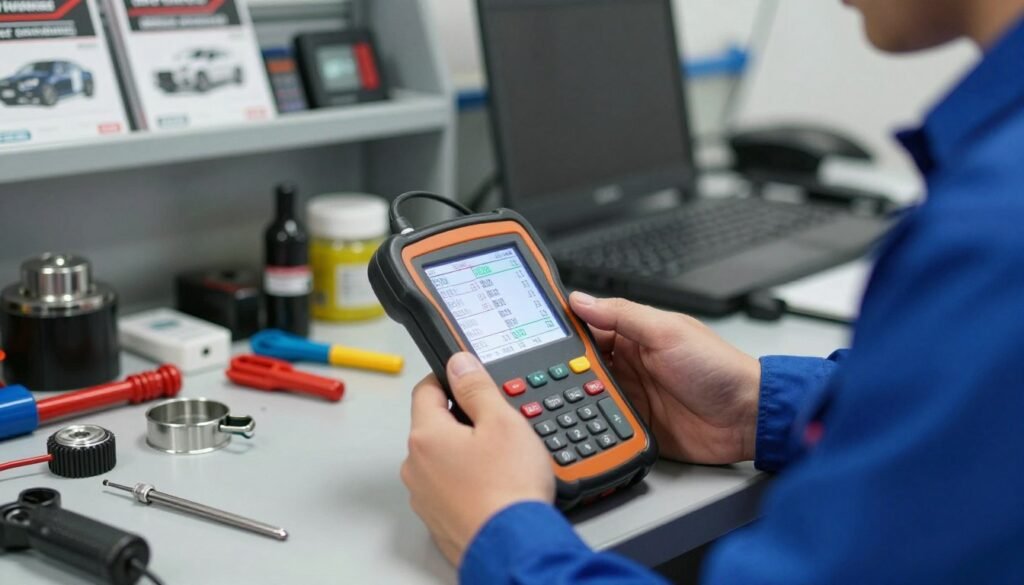
In the world of fleet management, understanding the signals your vehicles send is crucial. The illumination of the engine light can indicate various issues that need immediate attention. These alerts are more than just warnings; they are essential for maintaining vehicle health and ensuring smooth operations.
Ofelia Chernock, a Senior Product Marketing Manager, highlights that modern fleet vehicles are equipped with advanced onboard computers. These systems monitor performance and trigger alerts when problems arise. The Society of Automotive Engineers (SAE) created standardized diagnostic trouble codes to help fleet operators comply with regulations like the Clean Air Act.
Here are some key reasons why these codes matter:
- When the check engine light comes on, it signals a fault that requires prompt action.
- Prioritizing these trouble codes can prevent unnecessary downtime and reduce long-term costs.
- Effective diagnostics help fleet managers track vehicle health, ensuring engines perform optimally.
By paying attention to these alerts, fleet managers can avoid significant operational disruptions and keep their vehicles running efficiently.
Mastering the automotive diagnostic trouble code for Optimal Fleet Performance
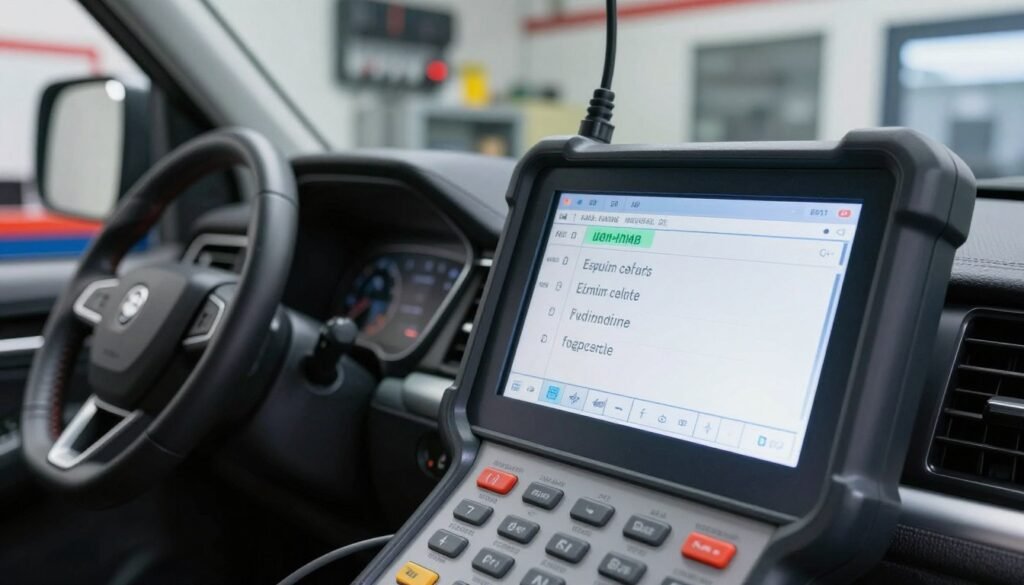
The indicators on your dashboard serve as a direct line to your vehicle’s health. For fleet managers, understanding these signals is vital. Each trouble code can indicate specific issues that require immediate attention.
Integrating HHO technology can resolve persistent emission issues that frequently activate a check engine warning. This, in turn, improves overall fuel economy and engine efficiency.
Mastering the interpretation of each DTC allows you to distinguish between minor sensor glitches and major mechanical failures. Maintaining strict control over your maintenance schedule ensures compliance with environmental standards while reducing costly repairs.
Understanding On-Board Diagnostic Systems
The health of your fleet can be monitored through advanced onboard systems. These systems, known as OBD-II, serve as the central nervous system for modern vehicles. They continuously track every sensor to ensure the engine operates within safe limits.
A technician can easily access this information by plugging a scanner into the OBD port, typically located near the dashboard. This allows for the retrieval of specific data regarding any active circuit faults.
Every sensor in the vehicle sends data to the control unit. If a reading falls outside the expected range, the system generates a code. Type 1 codes are particularly critical, as they indicate emission-related issues that can cause significant damage after just one failed driving cycle. In contrast, Type 2 codes require two cycles before triggering.
Regular checks of these systems enable fleet managers to identify the exact number of faults and address underlying circuit issues promptly.
| Code Type | Trigger Condition | Importance |
|---|---|---|
| Type 1 | 1 failed driving cycle | Indicates critical emission issues |
| Type 2 | 2 failed driving cycles | Less urgent, but still requires attention |
Engine Carbon Build-Up: Causes and Consequences
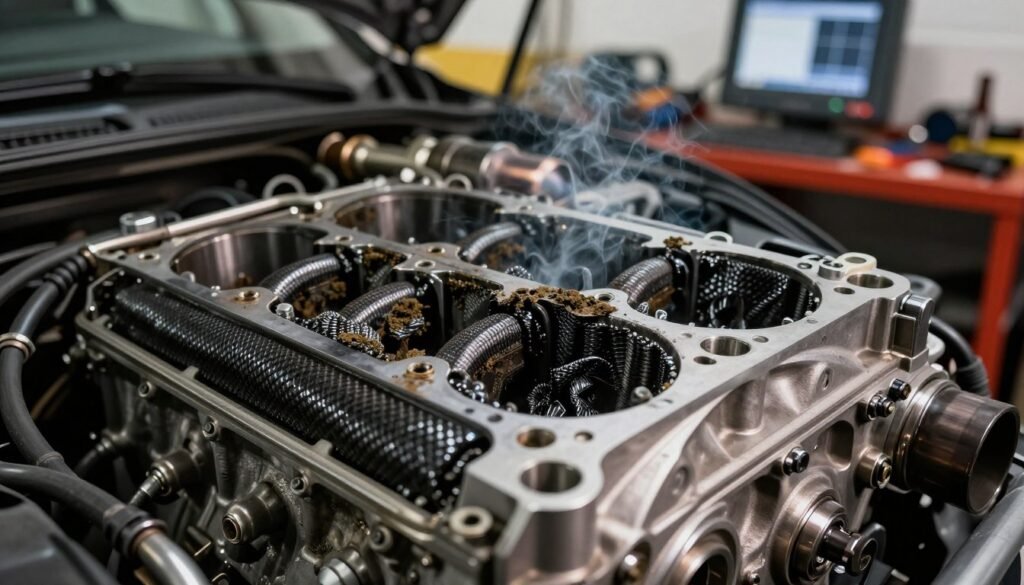
Carbon build-up in engines is a significant issue that can affect vehicle performance. Understanding how this accumulation occurs and its consequences is vital for fleet managers. Over time, carbon deposits can gather in the combustion chamber, leading to poor sensor readings and increased exhaust emissions.
As an expert in HHO cleaning, I have found that carbon build-up is often a primary cause of recurring engine performance issues in heavy-duty fleet vehicles. This build-up can interfere with the oxygen sensor, causing the control unit to misinterpret the air-fuel mixture. Consequently, this misinterpretation can trigger a fault code, which indicates that immediate attention is needed.
- Excessive carbon deposits can clog the emission control system, leading to a loss of power and increased fuel consumption.
- Regular HHO treatments can help clear the circuit of the combustion chamber, ensuring accurate data from every sensor.
- Ignoring these carbon-related problems can lead to permanent damage to the catalytic converter, which is costly to replace.
Addressing carbon build-up proactively can enhance engine efficiency and prolong the life of your fleet vehicles.
Decoding and Interpreting DTCs
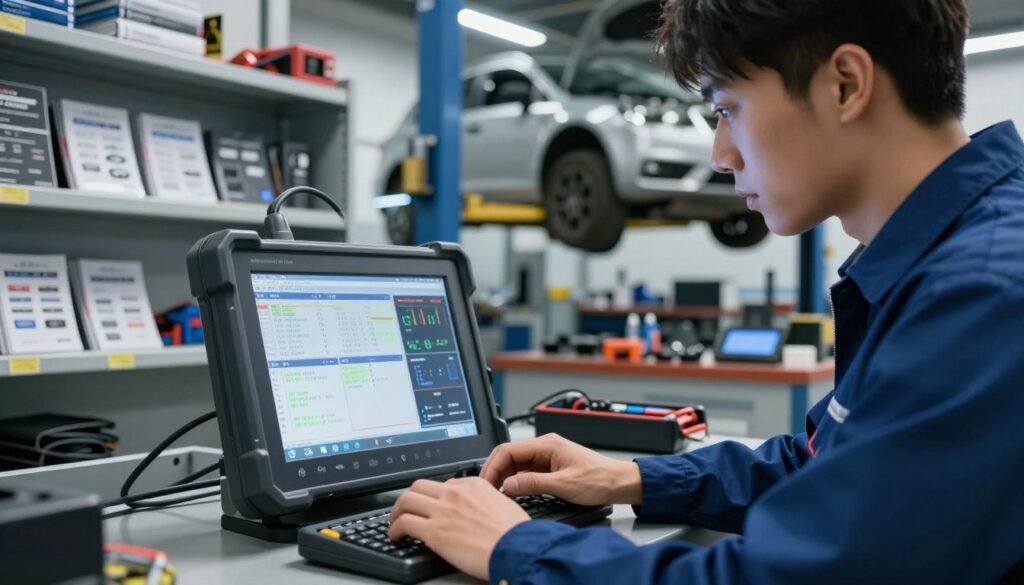
Each digit in a diagnostic trouble code reveals vital information about your vehicle’s systems. Understanding these codes is essential for fleet managers who want to maintain optimal performance.
There are two main types of codes: generic and manufacturer-specific. A generic code applies to all vehicles following the OBD-II standard, while a manufacturer-specific code requires special knowledge from the vehicle’s manufacturer.
Distinguishing Generic vs. Manufacturer-Specific Codes
The first digit of a diagnostic trouble code indicates the system, such as:
- P for powertrain
- B for body
- C for chassis
- U for network
A zero in the second digit signifies a generic code, while a one indicates a manufacturer-specific code.
Step-by-Step Guide to Reading DTC Digits
The third digit identifies specific subsystems, while the fourth and fifth digits pinpoint the fault index. This helps you determine if the issue relates to a temperature sensor, speed sensor, or misfire.
Here’s a comprehensive list of common codes:
| Code Range | Description |
|---|---|
| P0100-P0199 | Fuel and Air Metering |
| P0200-P0299 | Injector Circuits |
| P0300-P0399 | Ignition/Misfire |
| P0400-P0499 | Emissions |
| P0500-P0599 | Speed/Idle |
Understanding these codes can help you accurately diagnose issues. Always consult the service manual for verification before making repairs. For more information, check out this guide on DTC codes.
Practical Maintenance Strategies for Fleet Vehicles

Fleet managers must adopt practical strategies to ensure vehicle longevity and performance. Integrating telematics with diagnostic data can provide valuable insights into the health of your fleet.
Integrating Telematics with Diagnostic Data
Utilizing Lytx fleet telematics systems allows for real-time monitoring of every sensor and circuit across your entire fleet of vehicles. This integration ensures that you can respond quickly to any alerts.
Preventative Measures to Avoid Costly Repairs
As an HHO cleaning expert, I recommend scheduling preventative maintenance that includes carbon removal. This keeps every sensor and circuit operating at peak efficiency.
- Tracking the number of times a specific trouble code appears helps identify recurring problems.
- A proactive check of the control system ensures minor issues, like a small vacuum leak, do not escalate into major repairs.
- Modern diagnostics enable fleet managers to receive instant alerts for every check engine light.
- Implementing a rigorous maintenance schedule with HHO cleaning reduces the frequency of diagnostic trouble codes related to carbon build-up.
- Using advanced telematics to monitor every circuit and sensor minimizes downtime and maximizes fleet profitability.
- Consistent monitoring of these systems is the best defense against high costs associated with neglected engine maintenance.
Conclusion
Monitoring vehicle performance is essential for maintaining a reliable fleet. Mastering the intricacies of vehicle systems allows fleet managers to optimize engine performance and reduce operational costs.
By understanding how the onboard control system monitors air and fuel, you can effectively manage the health of your entire fleet. Regular maintenance, including HHO cleaning, prevents the accumulation of carbon that often triggers a check engine light and leads to expensive repairs.
Utilizing advanced diagnostics and telematics ensures that every fault is identified and resolved before it impacts your bottom line. We hope this guide provides the information necessary to maintain your fleet at the highest standard of efficiency and reliability.