Have you ever wondered what the check engine light really means? Understanding the automotive diagnostic trouble code can be a game changer for vehicle owners and fleet managers alike. These codes serve as vital indicators, alerting you to specific issues within your vehicle’s systems.
Modern fleet vehicles are equipped with advanced technology that continuously monitors performance. When a malfunction occurs, the vehicle generates a diagnostic trouble code, signaling that immediate attention is needed. Fleet managers, like Ofelia Chernock, emphasize the importance of these codes for maintaining vehicle health and preventing costly downtime.
Each diagnostic trouble code typically consists of five characters, starting with a letter followed by four numbers. This format helps pinpoint the exact fault in the vehicle. By understanding these codes, drivers can address minor issues before they escalate into major problems, ensuring smoother operations and better fleet management.
Key Takeaways
- The check engine light indicates a specific issue that needs attention.
- Modern vehicles use built-in computers to monitor performance.
- Understanding diagnostic trouble codes is crucial for fleet management.
- Each code is five characters long, helping to identify faults.
- Early identification of issues can prevent major mechanical failures.
Understanding the Fundamentals of Automotive Diagnostic Trouble Code

Curious about the significance of the check engine light? This light serves as a crucial visual cue that alerts drivers to potential issues within their vehicle’s systems. When illuminated, it indicates that the onboard computer has detected a malfunction that needs attention.
The Society of Automotive Engineers (SAE) established standardized diagnostic trouble codes to ensure compliance with emission regulations under the Clean Air Act. Each code communicates specific problems to technicians and fleet managers, providing a clear understanding of which vehicle system is affected.
Whether it involves the ignition, fuel, or air metering systems, these trouble codes are essential for identifying faults. Fleet management professionals rely on this information to maintain vehicle performance and ensure compliance with environmental standards. To learn more about vehicle protection services, visit automotive protection services.
How to Read and Interpret DTCs
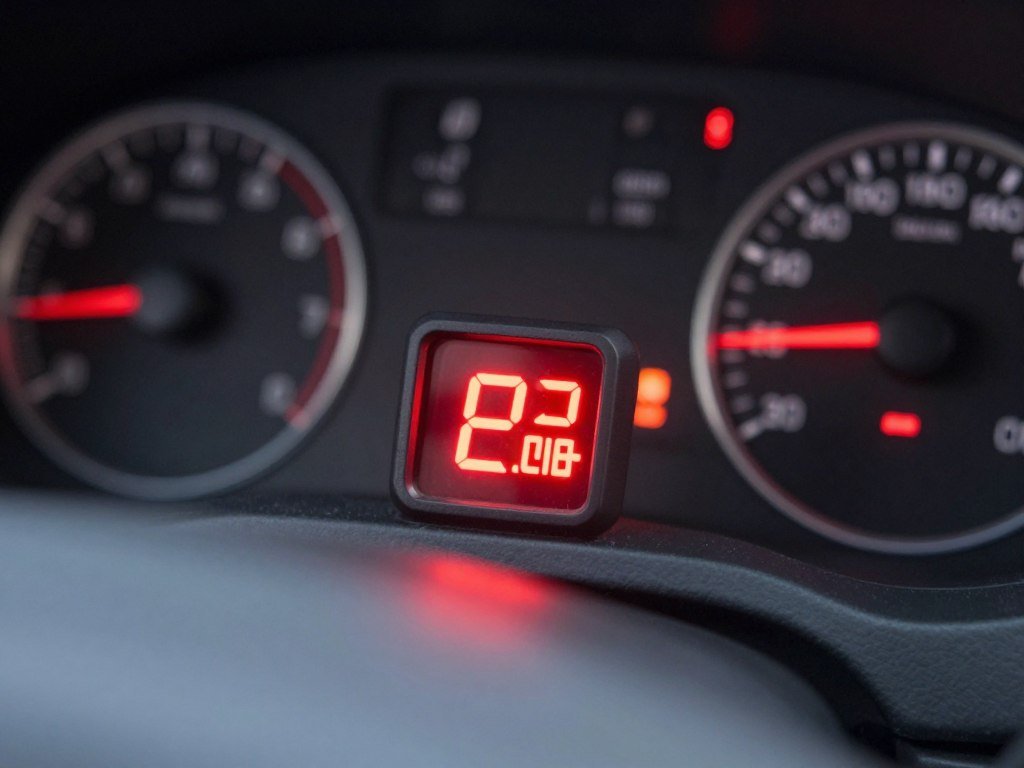
Ever wondered how to decode the signals from your vehicle’s check engine light? Understanding the role of the OBD system is crucial. The On-Board Diagnostics (OBD-II) system monitors various vehicle systems. When an issue arises, it generates a diagnostic trouble code (DTC) that helps identify the problem.
To access these codes, technicians connect a scanner to the OBD-II port, typically found under the dashboard. Each DTC consists of five characters, and each character holds specific information about the vehicle’s issue. Here’s a step-by-step guide to reading these codes:
- The first character is a letter indicating the main system affected, like the powertrain.
- The second character is a number, usually 0 or 1, showing if the code is generic or manufacturer-specific.
- The third character identifies the specific subsystem at fault, aiding in diagnosing issues.
By following this guide, fleet managers can effectively interpret any trouble code, determining the severity of the vehicle malfunction.
Using OBD Scanners and Telematics for Diagnostics
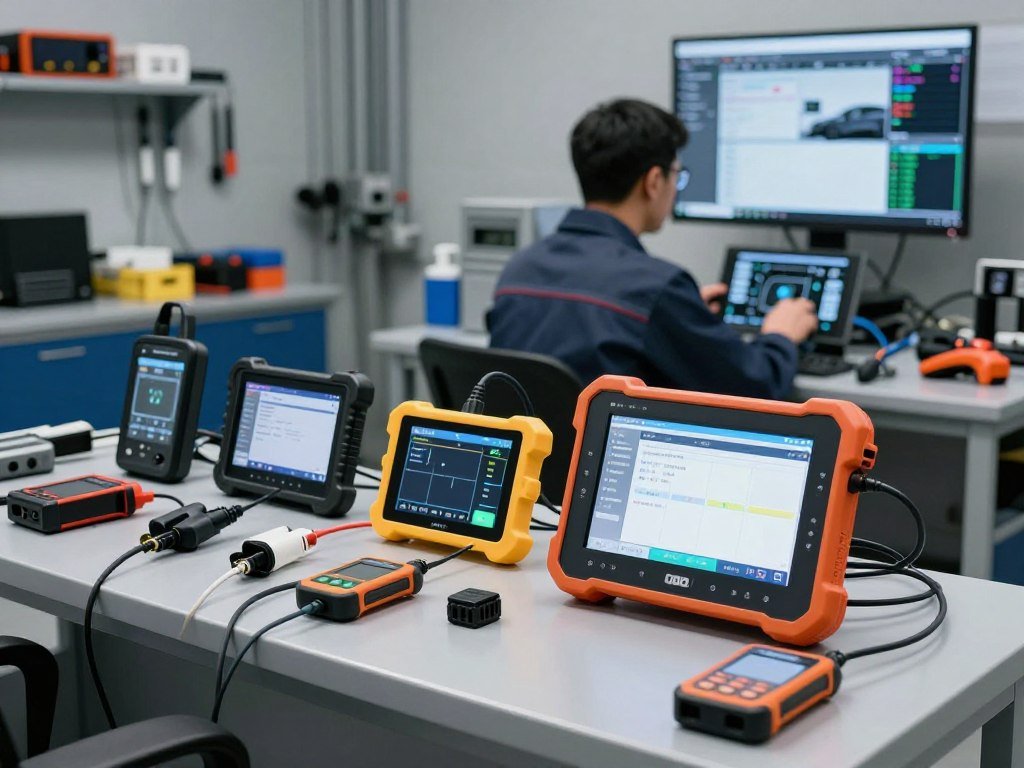
Do you know how telematics can enhance vehicle maintenance and diagnostics? Utilizing advanced tools like OBDII scanners and J1939 data loggers offers significant advantages for fleet management. These tools streamline the process of identifying and addressing vehicle issues.
The J1939 protocol is tailored for heavy-duty vehicles, providing robust remote diagnostic information. For instance, a J1939 code such as SPN 102 combined with FMI 4 indicates that the intake manifold pressure sensor voltage is lower than normal. This specific information is crucial for timely repairs.
Using an OBDII scanner allows technicians to clear codes after repairs. However, the vehicle must validate the fix through its own monitoring systems. Additionally, telematics systems automatically read and report every diagnostic trouble code in real time, giving fleet managers a clear view of vehicle health.
These diagnostic tools not only reduce vehicle downtime but also ensure that every malfunction is addressed correctly. For more insights on vehicle diagnostics, check out OBD-II systems and explore a comprehensive diesel truck service checklist.
Automotive Diagnostic Trouble Code: Detailed Breakdown of DTC Characters
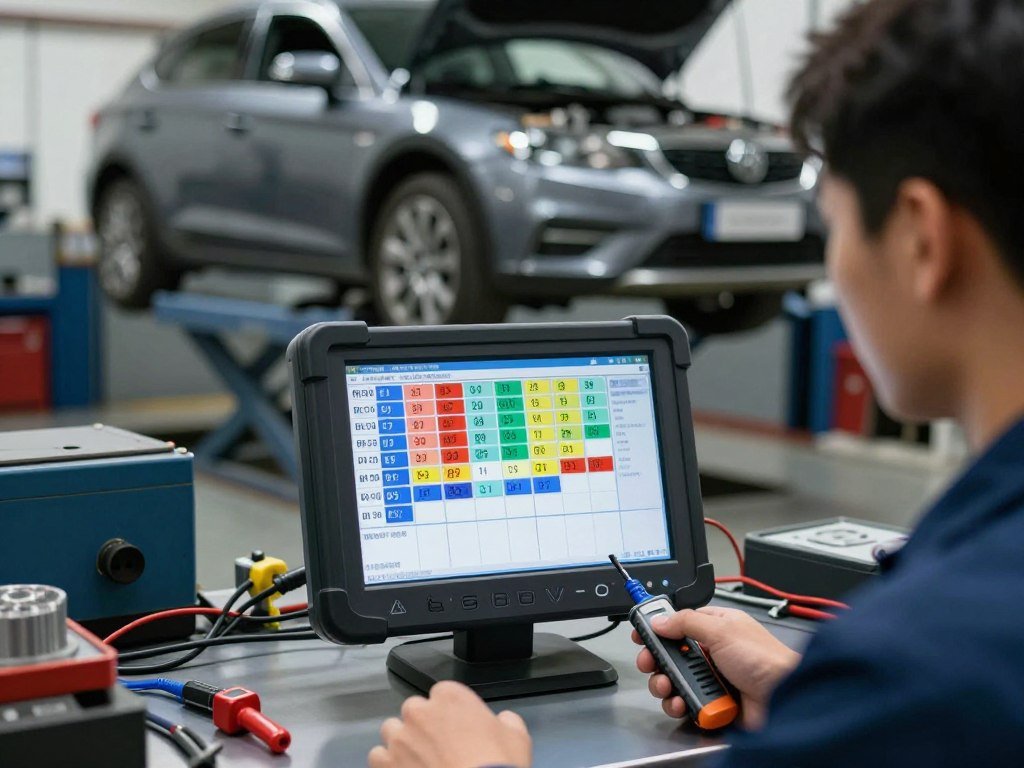
Understanding the structure of diagnostic trouble codes can significantly aid in vehicle maintenance. Each DTC is composed of five characters, each providing essential information about the vehicle’s systems.
The first character of a DTC indicates the main system affected. For example, “P” stands for powertrain, which includes critical components like the engine and transmission. This initial letter helps pinpoint the general area of the issue.
Decoding the First Three Characters
The second character is crucial as it reveals whether the code is generic or manufacturer-specific. A zero in this position denotes a generic code applicable across various vehicles. The third character specifies the subsystem involved, such as the ignition or fuel system.
Understanding the Specific Fault Index (Fourth & Fifth Characters)
The fourth and fifth characters, known as the specific fault index, provide precise details about the malfunction. For instance, a code like P0301 indicates a misfire in cylinder 1, while P0215 signifies a malfunction in the engine shutoff solenoid.
| DTC Example | Meaning |
|---|---|
| P0215 | Powertrain, generic, fuel and air metering (injector circuit) engine shutoff solenoid malfunction |
| P0301 | Misfire detected in cylinder 1 of the engine |
| P0420 | Catalytic converter efficiency below threshold (Bank 1) |
Fleet managers can leverage this detailed breakdown to swiftly identify issues and maintain vehicle performance. For more insights on DTCs, check out this resource.
Troubleshooting Common DTC Issues and Vehicle Performance Problems
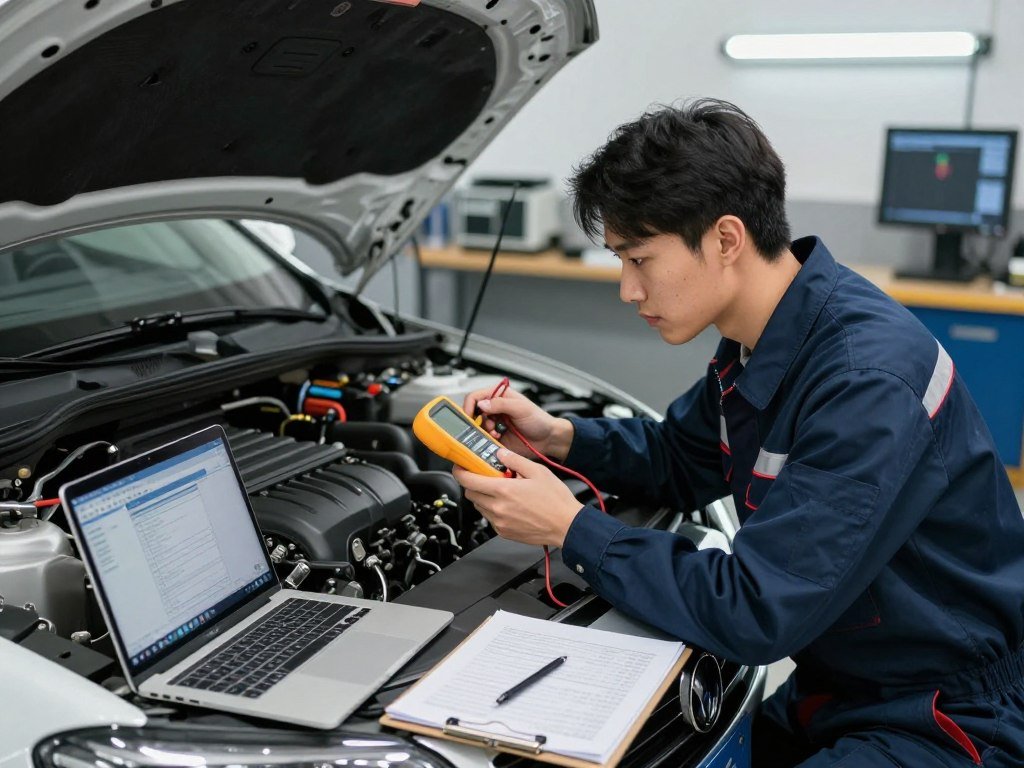
Understanding the signs from your vehicle can help in addressing potential issues early. Properly interpreting diagnostic trouble codes (DTCs) is essential for maintaining vehicle performance. Each code provides insight into the system affected, guiding repairs effectively.
Identifying Minor to Severe Faults
Monitoring DTC severity is crucial. A rating of 2 out of 3 indicates a moderate issue, like an engine misfire, which should be repaired soon. Fleet management teams must prioritize severe faults, such as high-temperature engine overheating, to avoid permanent damage.
Maintenance Tips for Fleet Management and Individual Vehicles
Lytx fleet telematics systems provide real-time diagnostic data. This allows maintenance departments to address every vehicle fault before it leads to a breakdown. Regular maintenance, supported by accurate DTC analysis, helps reduce overall fleet operating costs and improves vehicle longevity.
When to Consult Manufacturer-Specific Guidelines
When the second character of a code is a 1, it denotes a manufacturer-specific fault. This situation requires consulting the vehicle maker’s guidelines for proper resolution. Being proactive can save time and ensure safety on the road.
For more insights on enhancing vehicle performance, check out engine tuning services.
Conclusion
Understanding the importance of vehicle diagnostics can significantly enhance your fleet management strategy. Mastering the interpretation of every diagnostic trouble code is essential for maintaining a safe and efficient fleet.
Utilizing advanced telematics and OBD systems allows fleet managers to proactively identify and resolve vehicle malfunctions before they lead to significant downtime. This proactive approach ensures vehicles remain operational and reduces unexpected repair costs.
Moreover, consistent monitoring of the check engine light and associated fault codes enables better record-keeping. This optimization leads to improved fleet management strategies, ensuring that all vehicles are in peak condition.
Ultimately, the ability to read and act on these codes empowers teams to keep their vehicles running smoothly while minimizing operational risks. Contact your local expert experienced technicians today for professional diagnostics and repairs to keep your fleet operating safely and efficiently.