At a Glance: Vehicle maintenance, precision tuning, engine longevity, and diagnostics all support dependable winter driving. The exact ounce-per-gallon amount depends on the current product label. Use its instructions for proper treatment, especially when temperatures fall below 30°F.
Power Service Diesel Fuel Supplement is a winter anti-gel for diesel fuel. It helps prepare a vehicle for cold weather, but it does not replace ECU scanning or broader diagnostics. Hard starts and poor engine performance may point to another issue.
The product is labeled safe for all diesel engines when used as directed. Check the bottle before adding any additive, since the correct dosage may change by product type. A cetane boost can support smooth operation, but label guidance should lead every decision.
Daily drivers can find reliable maintenance guidance through Ace Tunes. Accurate advice supports long-term engine health and helps owners choose the right treatment. Product reviews may offer context, yet the current label remains the best source for each gallon.
For shoppers, PSC Select delivery applies only to shipments sent to 23 listed states. Some New York ZIP codes may not qualify, so confirm eligibility before ordering.
Key Takeaways
- Use the current label to confirm the amount per gallon.
- The treatment is intended for winter conditions below 30°F.
- Follow directions for safe use in diesel engines.
- Hard starts may require diagnostics beyond an additive.
- PSC Select has state and ZIP code restrictions.
Power Service Diesel Fuel Supplement Dosage at a Glance
The correct amount comes from the current bottle label, not an unverified online number. For winter use below 30°F, confirm the listed ounce-per-gallon ratio before you treat a tank.
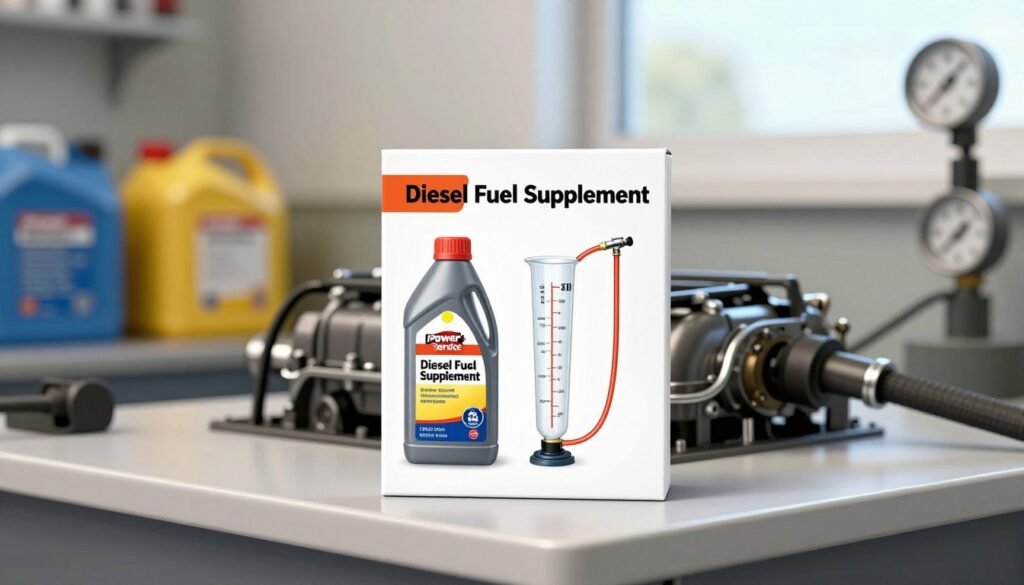
Finding the Correct Ounce-per-Gallon Ratio
Multiply tank size by the label ratio. These examples show the method only; they do not claim an official dose. A cetane boost, fuel gelling protection, and other results depend on the selected formula.
- Check the tank capacity in gallons.
- Read the ounce ratio for the intended season.
- Confirm the fuel type before adding an additive.
Checking the Product Label Before Treating Diesel Fuel
Power Service products come in 12-, 26-, and 64-ounce bottles. Case options include 9/1, 12/1, and 6/1 packs. Package size affects handling, not treatment strength.
Do not swap Kleen, 911, or other service products automatically. Their directions may differ. Reviews can provide context, but manufacturer instructions control every treatment decision.
| Tank volume | Label ratio | Calculated amount |
|---|---|---|
| 10 gallons | R ounces per gallon | 10 × R ounces |
| 20 gallons | R ounces per gallon | 20 × R ounces |
| 30 gallons | R ounces per gallon | 30 × R ounces |
How Power Service Diesel Fuel Supplement Protects Diesel Engines
Cold weather can change how an engine receives its fuel. A winter treatment helps maintain flow, improve starting, and support drivetrain health when temperatures fall.
Preventing Fuel Gelling and Fuel-Filter Icing
Wax in diesel fuel can gel during a deep freeze. This gelling restricts flow and may plug the filter. Water in the system can also freeze, causing fuel-filter icing and hard starts. The formula protects against fuel-filter icing when used as directed.
Boosting Cetane for Faster Cold Starts
A cetane boost helps the fuel ignite more readily. That support may lead to faster cold starts and steadier performance. It cannot repair worn injectors, weak batteries, or a damaged glow-plug system.
Supporting Fuel Pump and Injector Lubrication
Slickdiesel Lubricator helps reduce wear linked to Ultra-Low-Sulfur Diesel. This lubrication supports pumps, injectors, and overall engine health. Power Service labels confirm safe use in diesel engines when directions are followed. Check Diesel Kleen and Diesel 911 labels before choosing either product instead. If symptoms remain, arrange an ECU scan and professional inspection.
Choosing the Right Treatment Amount for Your Tank
Begin with the gallons currently in the tank, not the vehicle’s maximum capacity. Read the printed ratio on the Power Service bottle, then multiply that rate by the amount of diesel fuel present. This method helps prevent accidental overuse.
For example, let R represent the label’s ounces per gallon. A tank holding 20 gallons needs 20 × R ounces. A partly filled 26-gallon tank may need less than a full-tank treatment. Never empty a whole bottle unless the label calls for that amount.
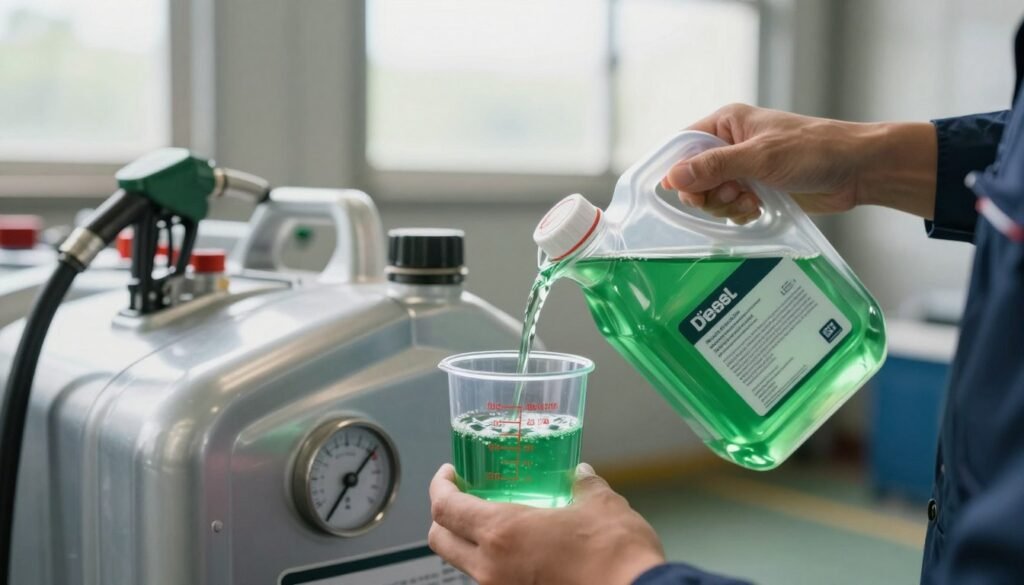
Available sizes include 12, 26, and 64 ounces. Use a graduated container when the calculated amount does not match a bottle size. Power Service states that its product works with ULSD and biodiesel blends.
- Measure the tank’s actual contents.
- Apply the label ratio for each gallon.
- Do not increase the dose to fix water, a blocked filter, or a mechanical fault.
Persistent consumption or performance concerns call for professional diagnostics. Synthetic fluid analysis and precision maintenance can reveal issues that an additive cannot correct.
| Tank contents | Math using label rate R | Action |
|---|---|---|
| 10 gallons | 10 × R ounces | Measure the result |
| 20 gallons | 20 × R ounces | Follow the printed ratio |
| 26 gallons | 26 × R ounces | Treat only the actual volume |
When to Use Power Service Diesel Fuel Supplement
Winter preparation should begin before the first hard freeze, not after a truck develops restricted flow. This treatment suits cold months when temperatures fall below 30°F.
It helps prevent fuel gelling and protects against fuel-filter icing. However, it cannot replace a clogged filter, remove contamination, or repair a starting fault. Add it before a long commute or expected cold snap.
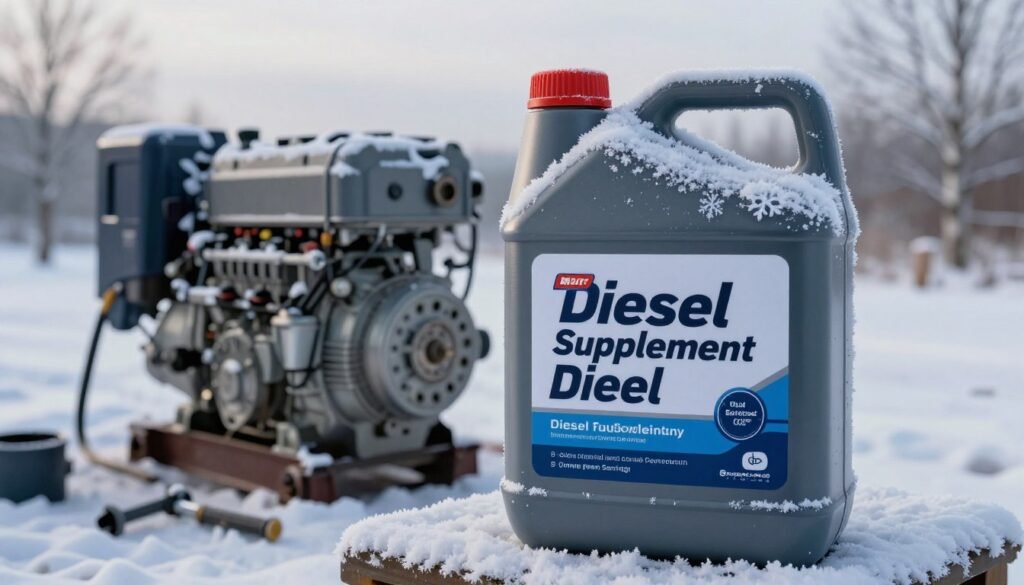
Preparing for Cold Winter Temperatures
Check the forecast, tank level, and current bottle directions first. Calculate the label-based amount for the gallons present, then add the treatment before extended winter driving. A cetane boost may support faster cold starts, but repeated cranking still calls for battery, glow-plug, or injection checks.
- Confirm the bottle matches your vehicle and winter goal.
- Measure the tank contents before calculating the dose.
- Review filter changes and recent maintenance.
- Choose Diesel Kleen or the 911 emergency product only when its label fits the issue.
Power Service products target different conditions, so do not mix formulas based on name alone. Follow the label for all engines and fuels.
Using the Supplement With Different Diesel Fuels
Power Service identifies this treatment as suitable for all approved diesel fuels, including Ultra-Low-Sulfur Diesel (ULSD) and biodiesel blends. Always match the product bottle to your vehicle and follow its application directions.
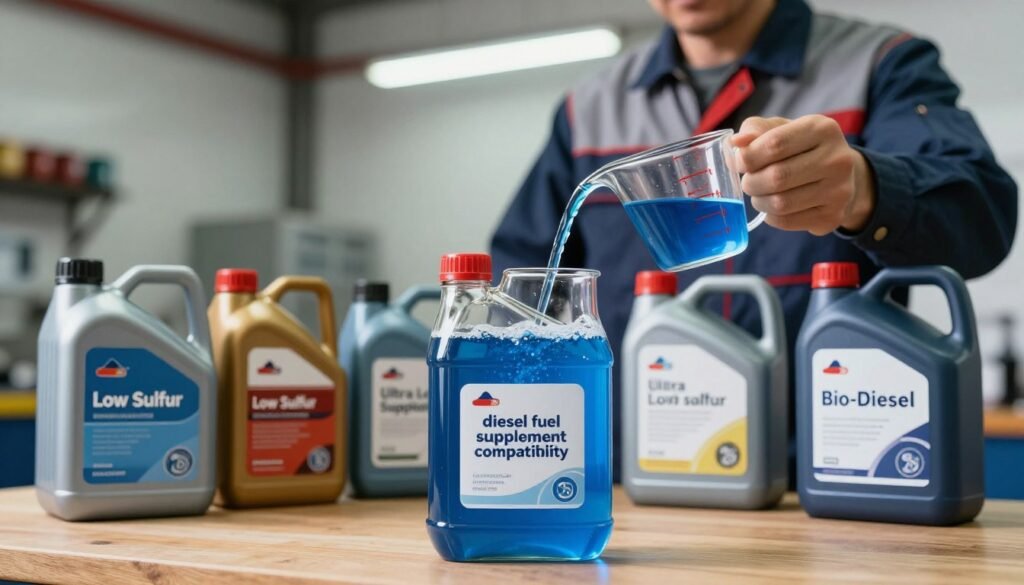
Ultra-Low-Sulfur Compatibility
ULSD can increase wear concerns for pumps and injectors because it has less natural lubricity. Slickdiesel Lubricator helps support these parts and may aid overall drivetrain health. A cetane boost can support starting and steady engine performance, but it cannot correct a mechanical fault.
Biodiesel Blend Considerations
Confirm the blend level, storage conditions, and vehicle requirements before adding any additive. The formula contains no alcohol of any kind. Do not raise the treatment amount to address water, oxidation, or poor storage.
Ongoing concerns call for fuel-system maintenance, filter checks, and professional diagnostics. Synthetic fluid analysis can also reveal wear that a bottle treatment cannot fix.
| Fuel type | Key check | Recommended action |
|---|---|---|
| ULSD | Pump and injector wear | Follow the label |
| Biodiesel blend | Blend level and storage | Confirm vehicle approval |
| Any approved fuel | Water or oxidation | Inspect the system |
Safe Application Practices for Diesel Fuel Additives
Safe handling begins with the current bottle label. Read the directions, measure the required ounce amount, and calculate the dose for the tank’s actual contents. Do not empty a full container into a smaller tank unless the instructions allow it.

Add the diesel fuel supplement as directed. Keep the bottle closed and secured during maintenance. Avoid contact with skin and eyes, and wash exposed areas promptly. Used correctly, Power Service Diesel Fuel Supplement is safe for all diesel engines and will not void the manufacturer’s warranty.
- Do not mix unverified additives or exceed the stated treatment rate.
- Store the bottle upright in a cool, dry place.
- Inspect leaks, damaged filters, or water contamination before treatment.
- Arrange an ECU scan when starting or running problems continue.
Power Service recommends keeping maintenance and treatment records. PSC Select ships to Pennsylvania, New York, New Jersey, Connecticut, Delaware, Washington, D.C., Georgia, Illinois, Indiana, Kentucky, Maine, Maryland, Massachusetts, Michigan, New Hampshire, North Carolina, Ohio, Rhode Island, South Carolina, Tennessee, Vermont, Virginia, and West Virginia. Some New York ZIP codes need eligibility verification.
Common Mistakes When Treating Diesel Fuel
Small dosing errors can make winter troubleshooting harder. Use the amount shown on the current Power Service bottle for the gallons in the tank. Pouring a full bottle into a partly filled tank may exceed the stated ratio and confuse later testing.
Do not combine Diesel Kleen, Diesel 911, or another additive unless both labels and the vehicle maker support that choice. These are separate products with different purposes. Never assume that one can replace the other.
Know What the Treatment Cannot Fix
A cetane boost may help ignition, but it cannot remove water, clear every restriction, or repair an injector, pump, glow plug, or sensor. Wax can cause gelling in cold weather. An anti-gel formula is not an emergency repair after a blocked filter stops flow.
Record the bottle, dose, tank volume, weather, and symptoms. Ace Tunes can separate additive concerns from mechanical faults through ECU scanning, fuel-system testing, and drivetrain checks. The product contains no alcohol and is identified as safe for all diesel engines when used as directed.
Conclusion
Use the current bottle directions, tank volume, and winter target to choose a safe amount. Never guess or exceed the stated rate.
Who should use this product? Drivers facing temperatures below 30°F may choose the Power Service diesel fuel supplement for approved ULSD or biodiesel blends. Confirm vehicle needs, inspect the filter, and follow the label carefully.
What does it do? The winter treatment helps limit gelling and filter icing while supporting clean starts. Slickdiesel Lubricator helps protect pumps and injectors; a cetane boost cannot repair faults.
How do you calculate the amount? Find the gallons in the tank, read the label’s ounces-per-gallon rate, and multiply them. Measure the result, then add it before cold-weather driving begins.
Why does label-directed use matter? Formulas vary by product and season. Correct dosing reduces overuse risk, while Ace Tunes can provide scanning, precision tuning, or filter guidance when an additive cannot solve the problem.