Vehicle maintenance, precision tuning, engine longevity, and diagnostics come first. Check compatibility before testing an HHO generator, because reported fuel savings depend on the car, driving conditions, and careful measurements—not promises alone.
Can a supplemental hydrogen system really help a car use less gas, or does the idea sound better than the results? This guide examines the science, hardware, safety limits, and evidence behind the technology.
H2XTRME is marketed as a fifth-generation kit. Its development reportedly compressed 18 months of engineering, testing, and patent work into six months. The company also claims 30% more plate area, twice the flow rate, fewer leak points, and a limited lifetime warranty.
ACE Performance Solutions can help with diagnostics, precision tuning, and compatibility checks before installation. Reports about a 1988 Holden Commodore, a Hummer H2, and Roger Taylor’s road trip remain individual experiences, not universal guarantees. We also cover water-based components, emissions, installation errors, and engine life.
Key Takeaways
- Compatibility testing should come before buying products or kits.
- H2XTRME claims a fifth-generation design and limited lifetime coverage.
- Reported fuel savings require controlled, repeatable testing.
- Professional diagnostics can help protect the vehicle.
- The article weighs performance, safety, cost, and long-term value.
What Is an HHO Generator?
This device creates a small stream of mixed gases while the engine runs. It does not replace gasoline. Instead, it adds hydrogen and oxygen to the air entering the combustion process.
How Electrolysis Produces Supplemental Gas
Electrolysis uses electrical energy to separate water into hydrogen and oxygen. An electrolyte improves conductivity, allowing current to pass through the water. Internal plates provide the reaction area that controls the potential gas output.
H2XTRME reportedly uses micro-engineered retainers and a chemically welded, sealed container. Its redesigned unit claims 30% more plate area and twice the flow rate. These are manufacturer claims, so each vehicle needs independent validation.
How Hydrogen Enters the Air Intake Manifold
The gas moves from the sealed cell to a reservoir, then through a dry filter. From there, it enters the car’s air intake manifold and mixes with incoming air. The factory fuel injection system still supplies gasoline.
Installers should check water level, electrical draw, hose routing, and mounting position. A suitable kit must avoid leaks and unwanted moisture near the intake.
How HHO Gas Supports Engine Combustion
Combustion changes when a small hydrogen stream joins the intake charge. It may improve flame spread, but it does not create free energy or guarantee fuel savings. The air intake manifold carries the mixture toward the cylinders before ignition or compression.
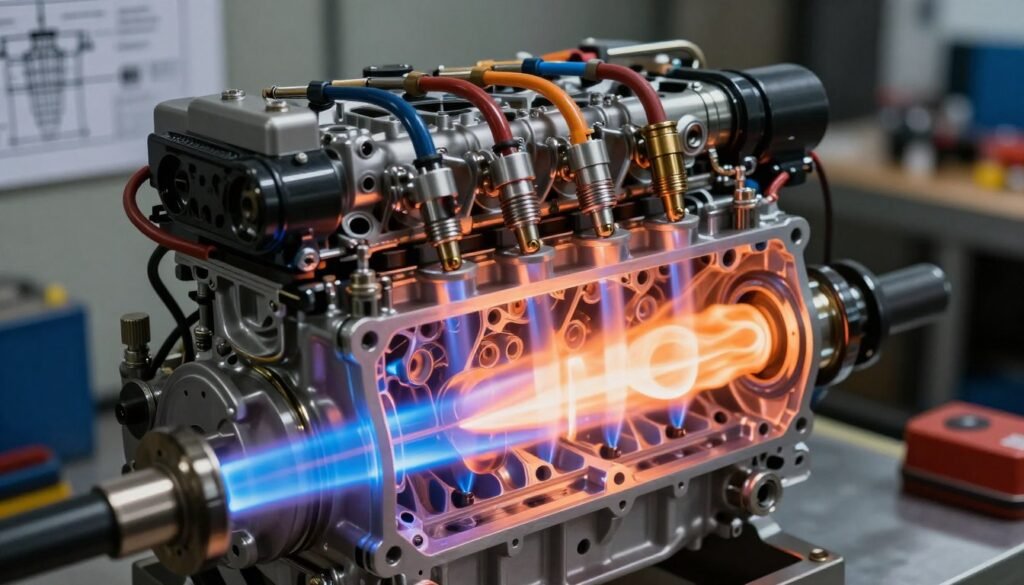
Hydrogen Supplemental Fuel and the Gasoline Air Ratio
A gasoline engine normally targets a gasoline air ratio near 1:14.7 by mass. Source material describes hydrogen-assisted operation at 1:20 or higher. A small amount hydrogen may help fuel burn completely, yet the fuel still supplies the usable energy.
Combustion Efficiency in Gasoline and Diesel Engines
Gasoline cars use spark ignition, while diesel engines rely on compression and direct injection. FISITA, which represents automotive societies in 38 countries, links to dynamometer research on the addition HHO gas to diesel intake air. Results can differ across cars because injection, load, timing, and boost pressure affect the process.
What Research Says About Emissions and Engine Performance
Research findings are not product promises. Measure fuel trims, exhaust emissions, oxygen-sensor data, and drivability before and after testing. This approach separates controlled results from claims about power, noise, or carbon deposits.
| Factor | Gasoline engine | Diesel engine |
|---|---|---|
| Ignition | Spark timing | Compression heat |
| Key measurement | Air-fuel behavior | Smoke and emissions |
HHO Generator Kit Components and Installation
A careful parts check makes installation safer and helps a technician confirm the system fits the vehicle.
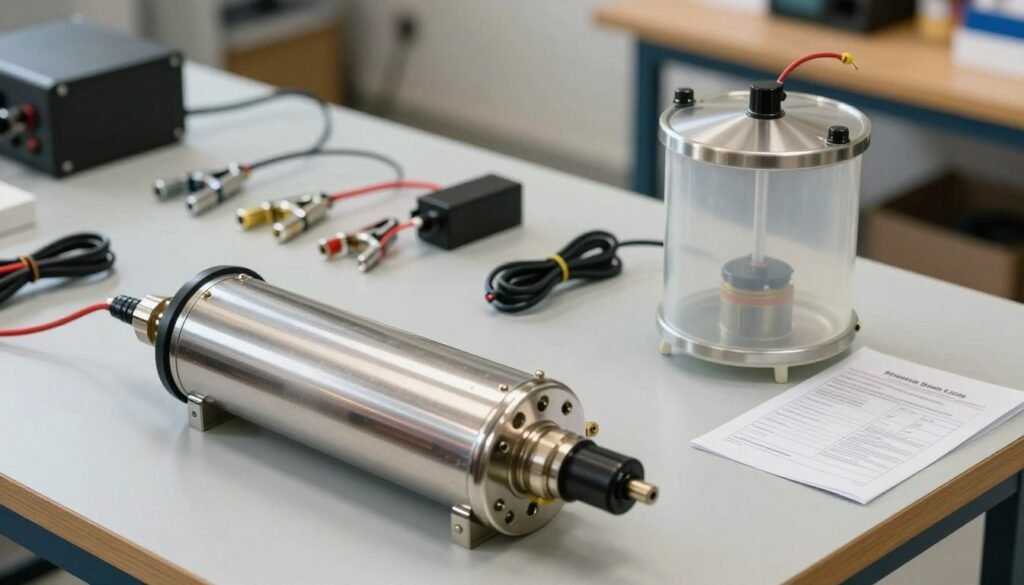
H2XTRME kits reportedly include an assembled cell, slim reservoir, dry filter, relay, digital amp gauge, fuse, wiring, hoses, connectors, brackets, and starter electrolyte. The redesigned unit claims two terminals and two hose connections, which may reduce leak points.
Choosing and Mounting Each Part
Mount the cell away from exhaust heat, belts, fans, and moving engine parts. Place the fuse near the power source. Protect wires from sharp edges, and test every hose connection for leaks.
Potassium hydroxide KOH concentration must follow the product instructions. Too much electrolyte can raise current draw, heat, and corrosion risk. A pulse width modulator controls electrical output. Constant current readings can reveal poor resistance, loose wiring, or a damaged connection.
- Inventory all parts before work begins.
- Verify water level and hose routing.
- Scan the car and record baseline data.
| Component | Installation concern | Professional check |
|---|---|---|
| Cell and reservoir | Heat and movement | Mounting security |
| Dry filter and hoses | Moisture or leaks | Air-path inspection |
| Controller and fuse | Overcurrent risk | Constant current test |
Fuel Savings, Emissions, and Performance Expectations
Fuel economy claims deserve careful testing, not quick promises. The source reports savings of up to 30%, but every car, engine, route, and kit can produce different results.
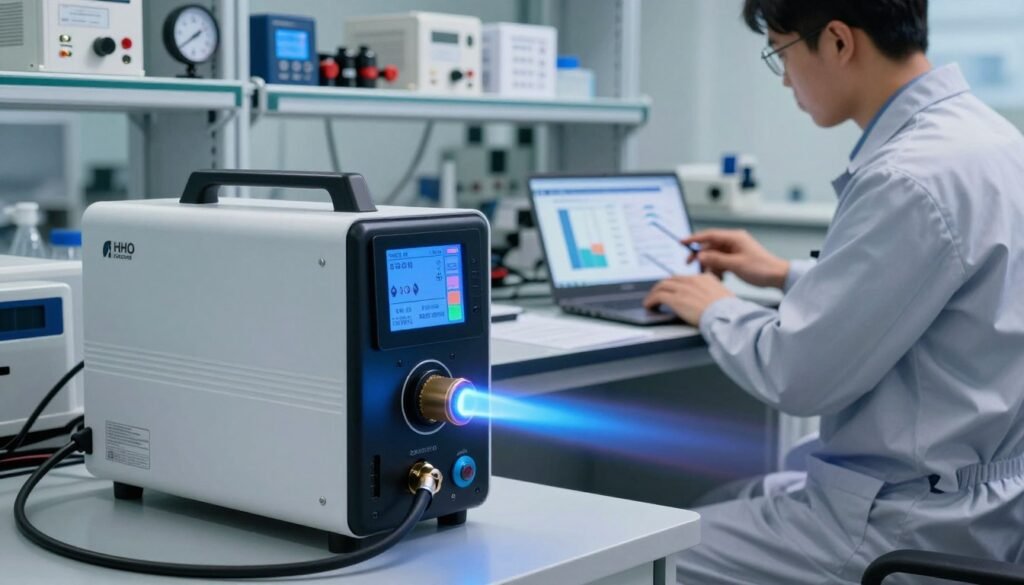
Bob reported that his 1988 Holden Commodore V6 improved from about 15 to 6–7 liters per 100 kilometers. Rick reported 19.6 MPG across 567 miles in a Hummer H2, versus 7–9 MPG before the test. He also reported no failures or warning lights.
| Driver | Reported result | Evidence limit |
|---|---|---|
| Bob | 15 to 6–7 L/100 km | Customer testimonial |
| Rick | 19.6 MPG over 567 miles | No independent control |
| Roger Taylor | 36.78 MPG over 1,548.55 miles, versus 22 MPG | Mountain roads above 6,000 feet and air conditioning |
A small amount hydrogen may help fuel burn completely. However, the generator uses electrical energy, so whole-vehicle efficiency matters. FISITA-linked research also examined addition HHO gas in a direct-injection diesel engine.
- Record fill-ups, mileage, traffic, weather, and payload.
- Check tire pressure, maintenance, fuel trims, codes, and emissions.
- Use professional diagnostics before and after installation.
These steps help drivers judge real money savings before buying products or additional kits.
Safety, Compatibility, and Precision Vehicle Service
Professional checks should come before any hydrogen upgrade. ACE Performance Solutions starts with vehicle history, ECU data, and fuel-system compatibility. This process helps separate a hardware issue from a tuning or maintenance concern.

ECU Scanning and Fuel System Compatibility Checks
Most cars built after 1999 use injection and may need a gas or diesel tuner. A scan records trouble codes, oxygen-sensor readings, fuel trims, ignition behavior, and baseline engine conditions. Technicians then review intake sensors and closed-loop control before fitting a kit.
- Inspect the 40-amp pulse width modulator, relay, fuse, wiring, and constant current behavior.
- Check hose joints, sensor placement, throttle action, and airflow readings.
- Compare product references, including dc2000 cars send, dc3000 cars send, and modulator send germany2026-08-18, with the actual vehicle.
Protecting Drivetrain Health and Engine Longevity
Synthetic fluid analysis, oil checks, cooling-system reviews, and drivetrain tests reveal existing wear. Inspect the transmission, differential, turbocharger, fuel pump, injectors, and mounts. The reversible technology should operate only with the engine running and produce gas on demand. Reversibility may protect resale value, but safe installation and post-service diagnostics still matter.
Common HHO Generator Mistakes to Avoid
Small installation errors can raise heat, damage sensors, or distort fuel results. Treat every claim as a testable idea, not a promise for every car.
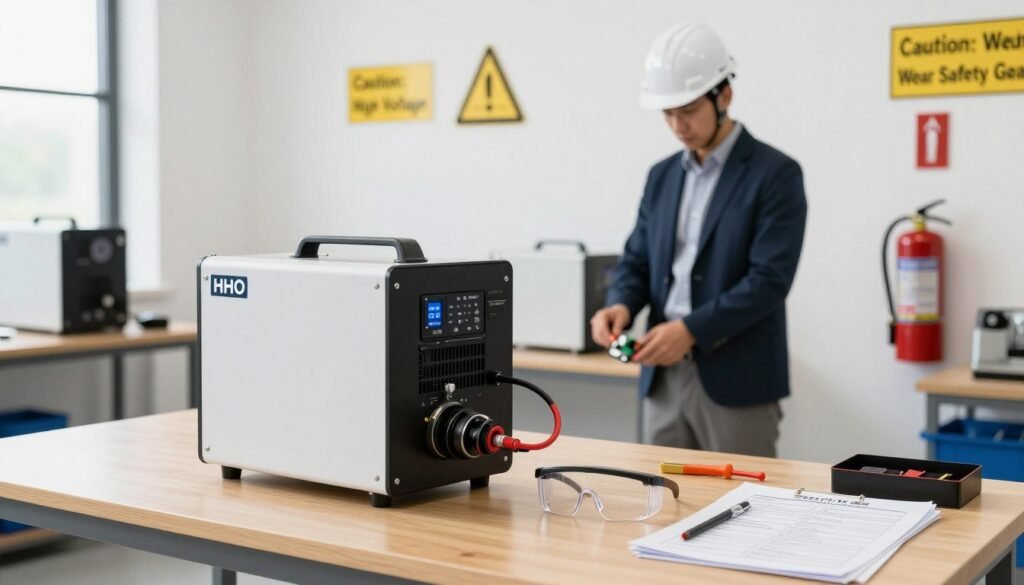
Check Assumptions Before Installation
Older dry-cell designs may use neoprene gaskets and exposed plate edges. High amperage can create steam instead of a steady gas supply. Use a fuse, relay, pulse width modulator, and constant current check. Never guess the potassium hydroxide KOH amount. Too much electrolyte can increase heat and corrosion.
- Keep water and gas hoses away from exhaust parts, belts, fans, and sharp brackets.
- Do not bypass the pulse width modulator or width modulator send controls.
- Confirm whether labels such as dc2000 cars send or dc3000 cars send match the vehicle.
Verify Claims With Daily-Drive Testing
Bob, Rick, and Roger Taylor reported different mileage outcomes because their routes, loads, and vehicles differed. Compare fill-to-fill fuel use on similar routes. Keep tire pressure, weather, fuel grade, and maintenance consistent. Record engine temperature, fuel trims, emissions, warning lights, and drivability. Repeat the test before judging savings or spending more money on kits.
Conclusion
Who should consider an HHO generator? Drivers with compatible cars may explore supplemental hydrogen, but they should first seek precision vehicle service, baseline testing, and an inspection of the engine, wiring, intake, and charging system.
What should buyers know? H2XTRME reports more plate area, higher flow, sealed construction, two terminals, and limited lifetime coverage. These features do not prove fuel savings, lower emissions, or better gas mileage for every vehicle.
How can owners test results? Track fuel use on similar routes, then compare sensor data, electrical demand, and drivability. Follow water and electrolyte instructions, prevent leaks, and confirm the kit adds useful energy without harming reliability.
Why avoid broad promises? Rick’s Hummer result and Roger Taylor’s trip show possible outcomes, not guarantees. Controlled testing helps car owners judge value while protecting cars, engine health, and long-term vehicle performance.