Vehicle maintenance, precision tuning, engine longevity, and diagnostics form the foundation of dependable driving. This guide shows daily drivers a safe method for restoring bright metal without scratches, haze, or finish damage. You’ll follow a careful path from rinse and wash through rust treatment, polish, buffing, and lasting protection.
Could the right answer to “how to clean chrome” be gentler than most popular products suggest? Harsh abrasives can dull a thin outer finish and leave marks that stand out in sunlight. A measured process protects the surface while bringing back a sharp shine.
The steps cover inspection, light rust treatment, hand polishing, and final protection. These details matter on wheels, trim, bumpers, and exhaust parts. Corrosion may also signal gaps in broader car care, especially when neglected areas spread damage.
ACE Performance Solutions supports drivers with vehicle maintenance, precision tuning, ECU scanning, diagnostics, and automotive care. Careful detailing helps preserve your ride and supports a stronger long-term service plan.
Key Takeaways
- Use gentle tools and mild products.
- Rinse away grit before contact washing.
- Inspect for rust before polishing.
- Buff with light, even pressure.
- Apply protection after restoration.
- Watch exterior corrosion for wider care concerns.
Why Chrome Tarnishes and Loses Its Mirror-Like Shine
Bright trim can fade long before a car shows major body damage. Dust, water spots, road grime, and oxidation scatter light across the surface. Moisture also reaches weak points, where rust can spread beneath the finish.
How Oxidation, Rust, Grime, and Water Spots Affect Chrome
Real chrome plating is an ultra-thin metal layer placed over steel or aluminum. This layer adds shine, but it does not make the base metal immune to rust. Once plating breaks, corrosion may lift the finish and damage nearby parts.
Real Chrome Plating Versus Plastic Chrome Trim
Decorative plating often appears on trim, emblems, wheels, and other car parts. Hard plating serves hydraulic cylinders and piston rods, where durability matters more than appearance. Plastic trim uses a chrome-look coating, so it scratches more easily and needs softer care.
- Metal components need a pH-balanced, non-abrasive product.
- Plastic surfaces need light pressure and a soft cloth.
- Rust or peeling finish calls for inspection before polishing.
| Surface | Typical use | Main concern |
|---|---|---|
| Decorative plating | Trim, emblems, wheels | Tarnish and water spots |
| Hard plating | Hydraulic cylinders, piston rods | Wear and corrosion |
| Plastic coating | Lightweight car trim | Easy scratching |
Tools and Products for Safe Chrome Cleaning
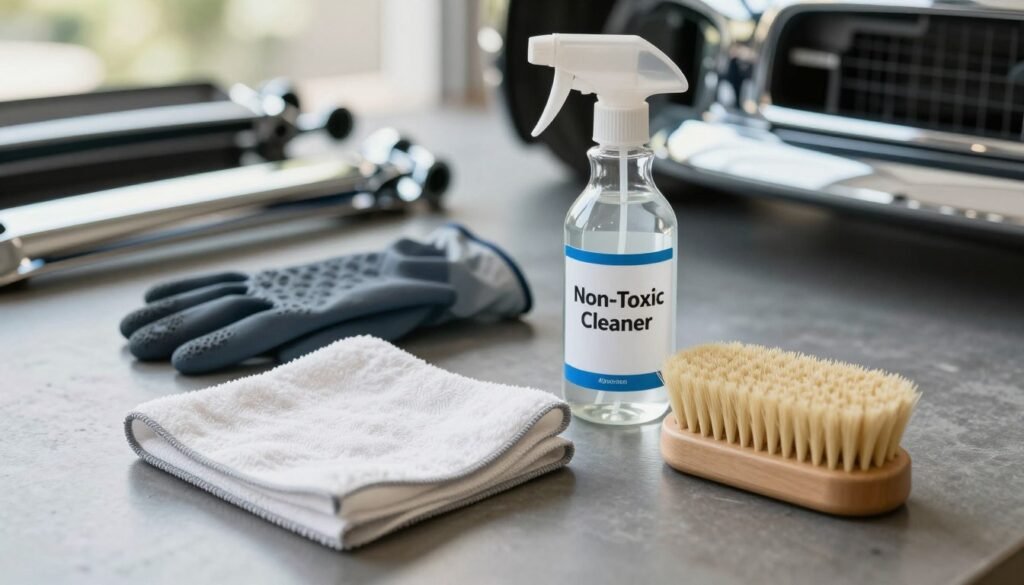
A well-planned detailing kit lowers the risk of scratches and uneven shine. Choose soft materials, mild formulas, and separate tools for each stage. Chemical Guys recommends this setup for controlled surface care.
Microfiber Towels, Soft Brushes, and Foam Applicators
Keep premium microfiber towels ready for application, residue removal, and final buffing. One cloth should handle polish, while a second towel removes residue. Soft-bristle tools and foam applicators reach spokes, badges, seams, and narrow parts without placing strong pressure in one spot.
Chrome Polish, pH-Balanced Cleaner, and Protective Sealant
Select a dedicated chrome polish instead of a general metal product. Its formula targets oxidation while helping preserve delicate plating. Add a pH-balanced automotive cleaner, a mild surface-preparation product, nitrile gloves, and sealed storage containers.
- Choose soft tools and controlled products.
- Keep separate towels for each stage.
- Skip steel wool and rough household materials.
- Finish with sealant for lasting protection.
How to Clean Chrome Without Scratching the Surface
A gentle rinse sets the stage for safe detailing. This first step lifts loose dirt and road grit before tools touch the finish. For specialized care, review custom chroming services.
Rinse Away Loose Dirt and Road Grit
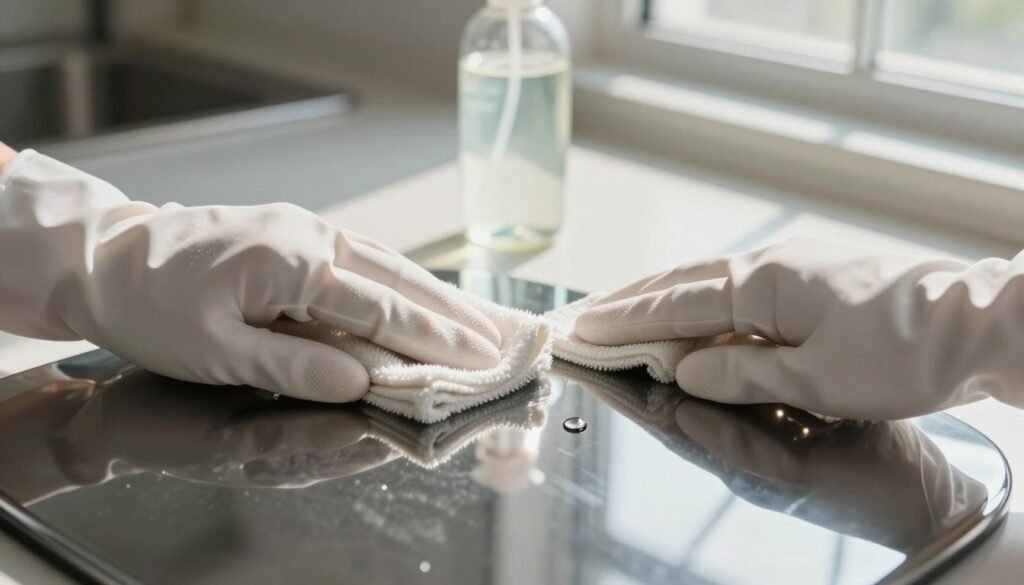
Use a steady stream of water across the trim. AutoManiacs recommends this step before a microfiber mitt or brush reaches the surface. It reduces the chance that sharp particles will drag across the finish.
Wash and Dry the Chrome Thoroughly
Mix pH-balanced automotive soap with water, then wash with a soft microfiber mitt and dedicated cleaner. Work in small areas, using light pressure. Rinse fully, then dry with a clean microfiber cloth so mineral spots do not remain.
Inspect for Embedded Contaminants and Surface Damage
Run clean fingertips over the dry area. Rough patches may need a lubricated clay bar, while grime usually needs another gentle wash. Check for scratches, bubbling, pitting, and exposed metal; spot-test each method in a hidden area first.
| Step | Recommended tool | Purpose |
|---|---|---|
| Rinse | Low-pressure water | Lift loose dirt |
| Wash | Microfiber mitt | Remove grime safely |
| Inspect | Lubricated clay bar | Release embedded debris |
How to Remove Rust and Oxidation From Chrome
Surface corrosion needs a measured response; force can strip away more finish than it removes. Light oxidation often rests above the plating, while deeper damage signals a serious finish problem.
Safe Methods for Treating Light Surface Rust
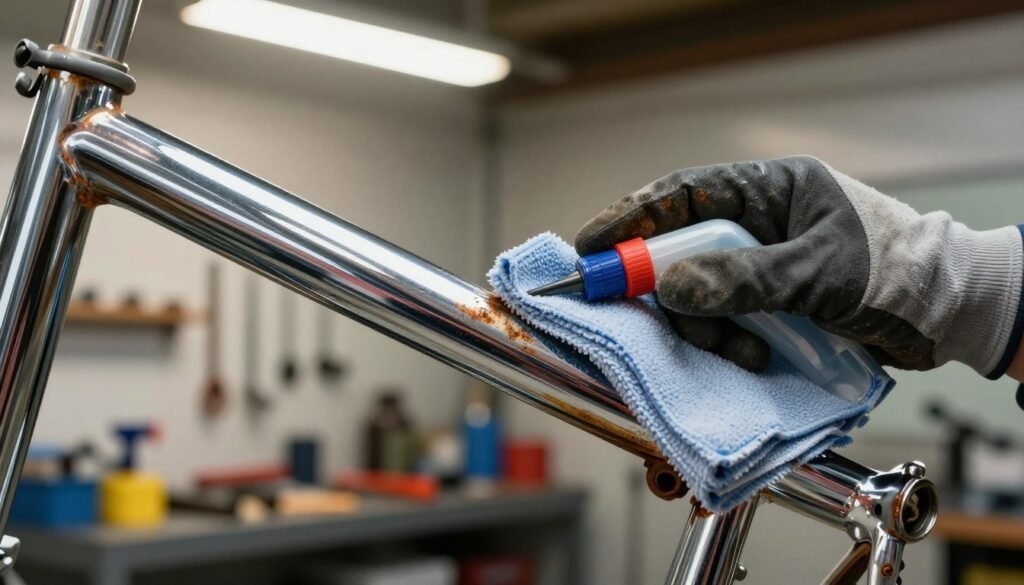
AutoManiacs recommends dipping aluminum foil in water or vinegar, then rubbing the affected spot with minimal pressure. The mild reaction between aluminum and rust can loosen surface corrosion without scratching the metal.
Use only a small amount of liquid near steel, aluminum, painted panels, and seams. Rinse the car parts well, then dry them with a soft microfiber towel. This gentle method can remove rust when the plating remains smooth and intact.
When Pitting Means Polishing Cannot Restore the Finish
Pitting means moisture has moved beneath the chrome layer. Bubbling, flaking, deep craters, or widespread rust show that the base metal may already face damage.
Repeated polish cannot rebuild missing plating or fill deep pits. Chemical Guys warns that harsh abrasives may expose more metal beneath thin plating. Seek a qualified shop when wheels, trim, or other parts show advanced corrosion.
How to Polish Chrome for a Mirror-Like Finish
Polishing works best after the part is dry and free of loose grit. Work in a shaded area, since heat can dry the product too quickly. A calm process protects the surface and helps reveal a sharper shine.
Apply Chrome Polish in Small Sections
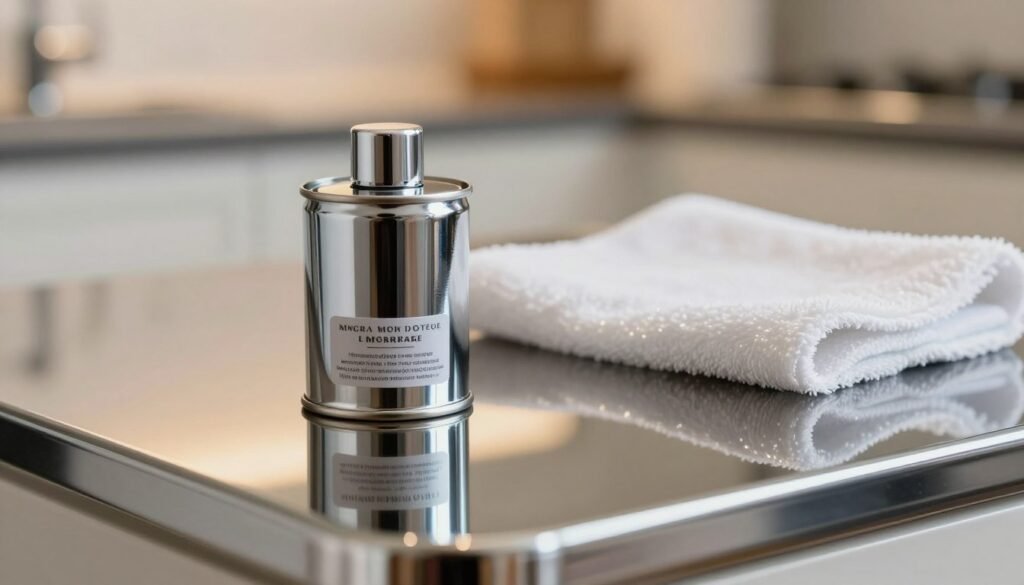
Place a dime-sized amount of chrome polish on a foam applicator or microfiber cloth. Treat one small section at a time. Spread the product with gentle circular motions, using light pressure. This step lifts mild oxidation without forcing the finish.
Buff Away Residue Without Excessive Pressure
Let the polish haze lightly. Then use a fresh microfiber cloth to buff away residue. Turn the cloth often, and stop once the metal shows a clearer shine. Repeat the step only if the area still looks dull. Extra product and pressure may thin delicate plating.
Inspect the car under direct light. Remove any streaks or leftover product before applying a protective sealant. This final step supports a lasting finish.
| Stage | Tool | Best practice |
|---|---|---|
| Apply | Foam applicator | Use small circular motions |
| Haze | Dedicated product | Wait for a light film |
| Buff | Fresh microfiber cloth | Use gentle, even pressure |
Chrome Cleaning Techniques for Wheels, Trim, and Exhaust Tips
Each vehicle part needs a method suited to its finish. Brake dust, road grime, and heat affect wheels, trim, and exhaust tips in different ways. Separate tools also prevent abrasive residue from moving between parts during detailing.
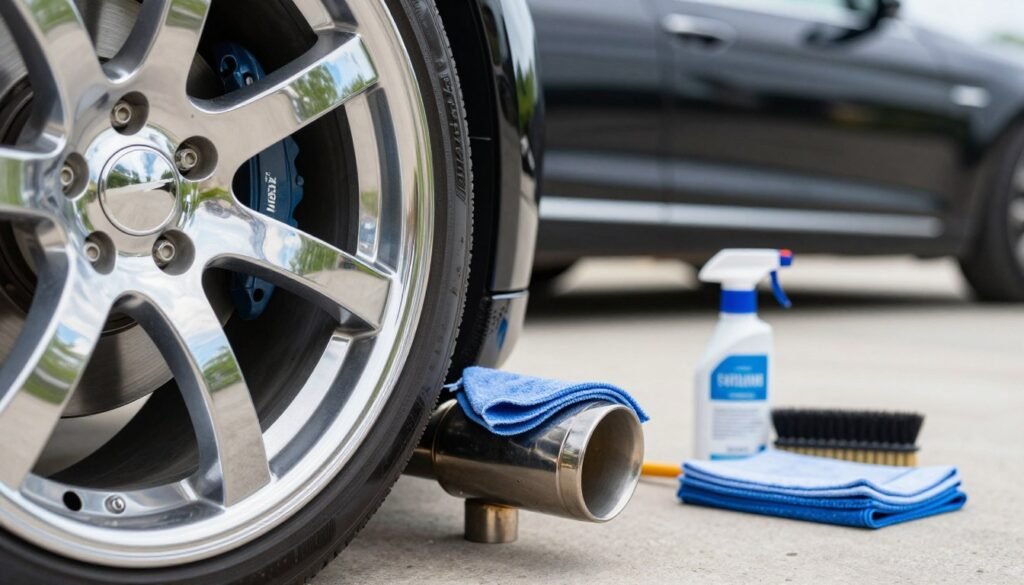
Removing Brake Dust From Bright Wheels
Rinse wheels with high-pressure water, then apply a wheel cleaner safe for plated metal. Wait one to two minutes. Use a soft brush around spokes and lug areas. Rinse again, then dry at once. Water, dust, and grime can form hard deposits near aluminum and steel parts.
Protecting Delicate Plastic Trim
Use mild soap and a soft cloth on plastic trim. Skip steel wool, foil, abrasive wool, and strong polish. A light wash with fresh water helps protect the thin surface.
Cutting Through Carbon on Exhaust Tips
Apply a specialty degreaser to warm, not hot, exhaust tips. Use a nylon or metal-safe brush to loosen baked carbon. Wipe the residue away before polish. Keep separate towels for each area, and visit a detailing shop if pitting remains.
- Use dedicated tools for wheels and exhaust parts.
- Dry every surface after a wash.
- Ask a professional shop about severe damage.
How to Protect Chrome From Future Tarnish
A routine defense keeps bright metal looking sharp after restoration. Sealants and ceramic coatings form a barrier against road salt, dust, moisture, and sunlight. This layer also limits mineral spots that can dull the finish.
Using Sealants and Ceramic Protection
Apply a compatible sealant after polishing. A ceramic spray adds stronger protection against UV rays, salt, and moisture. Use a mild cleaner first, then follow the product directions. Test new products on a hidden area before treating visible parts.
Preventing Moisture, UV Damage, and Mineral Deposits
AutoManiacs recommends a weekly rinse and monthly polishing, or polishing whenever dullness returns. Dry every part after washing. Standing water leaves mineral spots, especially under strong summer sun.
- Renew the spray when the protective layer weakens.
- Inspect trim, wheels, and exhaust parts during routine care.
- Keep consistent care habits for a brighter ride over the years.
| Maintenance | Recommended timing | Primary benefit |
|---|---|---|
| Rinse | Weekly | Removes salt and dust |
| Dry | After every wash | Limits mineral spots |
| Polish | Monthly or as needed | Restores surface brightness |
Common Mistakes That Damage Chrome
Small shortcuts can turn routine detailing into costly surface repair. A careful process protects the finish and gives each part a safer way to recover its shine. Avoid these errors every time.
Why Steel Wool, Abrasive Pads, and Harsh Chemicals Cause Scratches
Never use steel wool, rough wool, or abrasive pads. Chemical Guys warns that these materials can leave permanent scratches in delicate plating. Strong chemicals may also thin the layer, expose base metal, or create uneven dull patches.
Do not polish before cleaning. Dirt, brake dust, and grit can act like sandpaper under pressure. Use mild soap and a soft cleaner instead. Apply light pressure, and stop when the surface looks clear.
Problems Caused by Skipping Preparation Steps
Rinsing, drying, and spot testing each prevent damage. Air-drying or hard water can leave mineral spots. Test a product in a hidden area before treating visible trim. Work in a shaded, well-ventilated space rather than direct heat.
- Choose a soft-brush or touchless car wash.
- Wear gloves during product use.
- Turn towels often during wiping.
- Visit a professional shop when pits or peeling appear.
These habits save time and offer a safer way to protect the finish over time.
Conclusion
Who should handle severe pitting?
A qualified finishing shop should assess exposed metal and failed plating. ACE Performance Solutions can review maintenance, diagnostics, tuning, and drivability concerns affecting the car before further surface work begins.
What protects restored surfaces?
A dedicated automotive product, microfiber towels, soft brushes, and ceramic spray limit deposits, salt, and weather wear. Weekly rinsing and monthly polish help preserve shine for years.
How can owners avoid renewed damage?
Follow the proper order: rinse, wash, dry, inspect, treat light rust, polish, buff residue, then protect the finish. Skip steel wool when plating pits.
Why choose professional finishing support?
Show-Quality Prep, Custom Chroming, Custom Color Chroming, Industrial Strength coatings, and Full-Vehicle Accents can create a mirror-like finish while supporting long-term vehicle care for your car.