“Innovation distinguishes between a leader and a follower.” – Steve Jobs. This quote perfectly encapsulates the transformative power of HHO technology in the evolving landscape of fleet. By integrating advanced HHO solutions into you fleet management services businesses can improve engine performance, reduce carbon buildup, enhance fuel efficiency, and keep their vehicles operating at peak performance.
In today’s fast-paced world, optimizing vehicle efficiency is crucial. The rise of advanced solutions has revolutionized how businesses coordinate their vehicles. Companies are now focused on integrating innovative technologies that enhance performance while minimizing costs.
HHO technology, which utilizes hydrogen and oxygen in the combustion process, is gaining traction as a game-changer. This innovation addresses persistent challenges, allowing operators to achieve cleaner fuel combustion. As businesses strive to meet sustainability goals, this technology provides a viable path to improve operational efficiency.
This article will delve into how HHO technology complements existing solutions, delivering measurable benefits in fuel efficiency and vehicle longevity. Understanding its role can empower operators to make informed decisions and gain a competitive edge in a demanding market.
Key Takeaways
- HHO technology is reshaping how vehicles operate, focusing on efficiency and sustainability.
- Modern solutions integrate various aspects of vehicle performance beyond simple tracking.
- Adopting HHO systems can significantly reduce operational costs.
- This technology aligns with businesses’ environmental goals while enhancing performance.
- Operators can leverage HHO technology to stay competitive in a challenging market.
Understanding Fleet Management Services and User Needs

Grasping the fundamentals of vehicle operations is essential for businesses aiming to excel in their industries. Fleet management encompasses a wide range of tasks that ensure vehicles are utilized efficiently and effectively. This includes everything from vehicle acquisition to maintenance scheduling, fuel management, and ensuring compliance with safety regulations.
Fleet management services involve several critical activities, including:
- Vehicle acquisition and leasing strategies to optimize costs.
- Maintenance scheduling to reduce downtime and extend vehicle life.
- Fuel management to monitor consumption and reduce expenses.
- Driver training and safety programs to protect assets and personnel.
- Regulatory compliance to adhere to industry standards and laws.
Today, fleet operators face numerous challenges that can impact their efficiency and bottom line. These challenges include:
- Volatile fuel costs that can strain budgets.
- Increasing regulatory pressures to reduce emissions and enhance safety.
- Driver shortages that complicate staffing and operations.
- The need to maintain aging vehicles while controlling maintenance expenses.
As a result, the complexity of overseeing a fleet has grown significantly. Managers must coordinate various elements, such as route planning, driver schedules, and compliance documentation, often with limited resources and time.
User intent in the realm of fleet management consistently revolves around three core priorities:
- Achieving greater fuel efficiency to minimize costs.
- Implementing robust safety protocols to protect drivers and assets.
- Gaining real-time insights for proactive fleet management.
Businesses that depend on vehicles require solutions that seamlessly integrate with their operations. These solutions should provide actionable data without necessitating extensive training or disrupting established workflows. The right approach combines technology, strategic planning, and hands-on service tailored to meet the unique needs of each company, whether managing a small fleet of service vans or a large logistics operation.
Fleet managers are increasingly looking for partners who recognize that no two companies are the same. Each fleet faces distinct challenges that demand customized solutions designed to align with specific operational requirements and business goals.
Introduction to HHO Technology in Fleet Management

Modern vehicle operations are increasingly adopting HHO technology to enhance performance and sustainability. This innovative approach introduces a mixture of hydrogen and oxygen into the engine’s air intake. As a result, it significantly improves the combustion process of existing fuel. The outcome is a more complete fuel burn, leading to reduced emissions and better fuel economy.
Basics of HHO Technology and Its Mechanism
HHO technology operates on the principle of electrolysis. It uses a small amount of a vehicle’s electrical power to split water into hydrogen and oxygen gases. These gases are then introduced into the engine’s combustion chamber to enhance the burning of diesel or gasoline.
- The introduction of hydrogen creates a more efficient burn of the primary fuel.
- This process increases power output from the same amount of fuel.
- It also leads to a significant reduction in unburned hydrocarbon emissions.
Why HHO is Gaining Traction in Fleet Operations
Fleet operators are increasingly turning to HHO technology as a practical solution. It does not require replacing existing vehicles or investing in new fuel infrastructure. The growing traction of HHO systems in the industry is driven by:
- Measurable fuel savings without disrupting daily operations.
- Minimal driver retraining required for implementation.
- Installation on existing fleet vehicles, making it accessible for companies of all sizes.
- Low-maintenance solutions that integrate seamlessly with current operations.
- Support for companies aiming to reduce their carbon footprints while planning for future fuel strategies.
Improving Fuel Efficiency and Reducing Costs with HHO Technology

Fuel efficiency is a vital aspect for businesses that rely on vehicles for their operations. HHO technology plays a crucial role in enhancing this efficiency, leading to significant cost savings. By optimizing fuel combustion, fleet operators can reduce their fuel expenses and improve their overall performance.
How HHO Technology Enhances Fuel Combustion
HHO technology enhances fuel combustion by introducing hydrogen gas into the engine. This process acts as a catalyst, accelerating the flame front during ignition. As a result, more of the injected fuel is burned completely, minimizing waste expelled through the exhaust system. The benefits include:
- Improved combustion efficiency that leads to measurable reductions in fuel consumption.
- Many fleet operators report significant fuel savings, which lowers overall fuel costs.
- Enhanced performance of vehicles, resulting in better operational budgets.
Cost Benefits and ROI for Fleet Businesses
Implementing HHO systems can yield a compelling return on investment. The initial installation cost is often recovered through fuel savings within a predictable timeframe. After this period, the savings contribute directly to increased profitability. Additional cost benefits include:
- Reduced engine deposits and cleaner oil, which lower maintenance expenses.
- Extended intervals between required service visits for each vehicle in the fleet.
- Significant annual savings for businesses operating large fleets, where even a modest percentage improvement in fuel efficiency can have a major impact.
Fleet managers can leverage existing fleet management software to track and validate the fuel efficiency gains achieved through HHO technology. This provides clear data to support the business case for wider deployment across the fleet. Strategic cost control through HHO implementation allows businesses to allocate saved resources toward critical areas such as driver training and technology upgrades, further enhancing overall fleet performance.
Enhancing Fleet Safety through HHO Innovations

Ensuring safety in vehicle operations is a crucial aspect of successful fleet oversight. The implementation of HHO technology offers numerous benefits that directly enhance vehicle performance and safety. By improving combustion processes, this technology not only boosts efficiency but also significantly contributes to safer driving conditions.
Impact of Cleaner Combustion on Vehicle Performance
Cleaner combustion achieved through HHO technology results in smoother engine operation. This leads to reduced vibration and more predictable throttle response. Such improvements contribute to a safer and more controlled driving experience for fleet operators.
Vehicles equipped with HHO systems produce fewer carbon deposits within the engine. This reduction decreases the risk of engine knocking, stalling, or sudden power loss—mechanical issues that can create hazardous situations for drivers on the road.
Driver Behavior and Safety Improvements Enabled by HHO Technology
The enhanced vehicle performance from HHO technology allows drivers to maintain consistent speeds. It also enables them to execute maneuvers such as merging and passing with greater confidence. This directly supports safer driver behavior in demanding traffic conditions.
Fleet managers can leverage the reliability of HHO-equipped vehicles to reduce the frequency of roadside breakdowns. These breakdowns are not only costly but also expose drivers to significant safety risks, particularly on highways or in remote areas.
The implementation of HHO technology often coincides with broader fleet safety initiatives. Companies investing in fuel-saving innovations tend to prioritize comprehensive driver training and safety monitoring programs.
Monitoring driver behavior through telematics becomes more meaningful when vehicles operate at peak combustion efficiency. The data reflects genuine driving patterns rather than performance variations caused by engine inefficiency or inconsistent fuel quality.
A safer fleet directly impacts a company’s bottom line. It reduces accident-related costs, lowers insurance premiums, and protects the well-being of the drivers who are essential to daily operations.
Integrating HHO Technology with Fleet Management Software

The fusion of advanced technology with vehicle oversight can enhance efficiency. Integrating HHO technology into existing fleet management software provides a robust framework for improving operations. This integration allows for real-time data tracking and better decision-making.
Fleet management software relies on telematics devices and GPS tracking to increase visibility into operations. These systems keep track of vehicles and their movements, offering real-time routing capabilities and dynamic scheduling. A reliable software solution should synchronize data from multiple sources, including telematics devices and GPS trackers.
Role of Telematics and Real-time Data Tracking
Telematics devices installed in fleet vehicles capture real-time data on fuel consumption rates, engine performance, and emission levels. This information provides fleet managers with concrete evidence of the improvements delivered by HHO technology.
How HHO Systems Complement Existing Management Platforms
Modern fleet management software platforms are designed with interoperability in mind. They allow HHO system data to be integrated alongside existing telematics inputs for a comprehensive view of each vehicle’s operational status and efficiency metrics.
The integration of HHO system monitoring with fleet management software enables automated tracking of key performance indicators. This allows managers to compare pre- and post-installation data, quantifying the return on their technology investment.
Real-time data tracking through integrated software solutions empowers managers to identify which vehicles achieve optimal combustion efficiency. It also helps determine which may require adjustments or maintenance, supporting proactive planning.
The combination of HHO technology and advanced fleet management software creates a powerful solution. This addresses both the mechanical efficiency of vehicles and the strategic oversight needed to maximize productivity.
Fleet managers benefit from consolidated dashboards that display fuel savings, emission reductions, and maintenance schedules in one interface. This eliminates the need to switch between multiple applications, saving valuable time.
The seamless integration of HHO data with existing fleet management services ensures companies can adopt this innovative technology without disrupting workflows. Extensive retraining of the management team is not required, making the transition smooth and efficient.
| Feature | Benefit |
|---|---|
| Real-time Data Tracking | Immediate insights into vehicle performance and efficiency. |
| Telematics Integration | Comprehensive view of operational status and metrics. |
| Automated KPI Tracking | Easy comparison of pre- and post-installation data. |
| Consolidated Dashboards | Streamlined access to critical information, saving time. |
| Seamless Workflow Integration | Adoption without disrupting existing operations. |
Vehicle Maintenance and Longevity: Benefits of HHO Systems
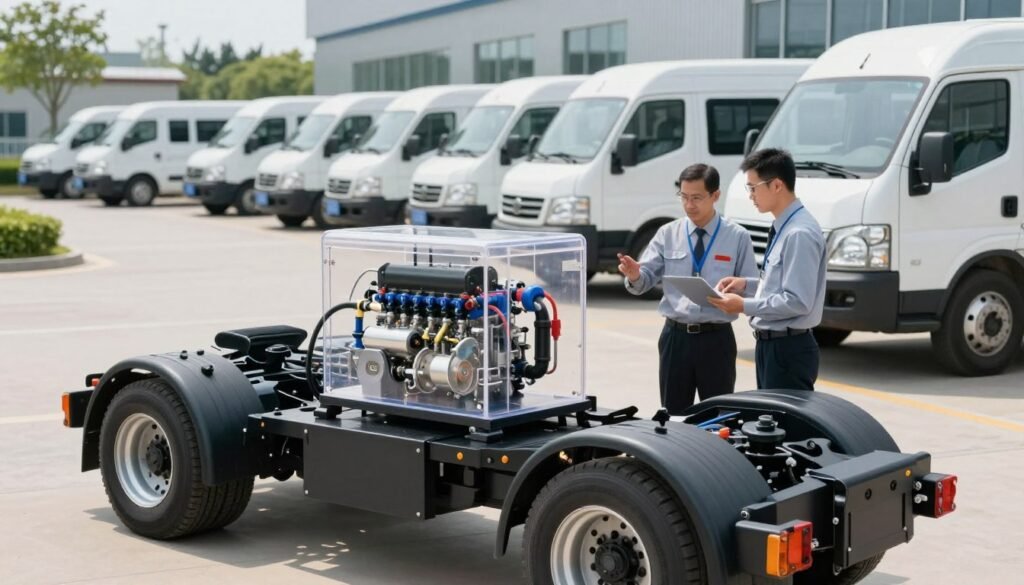
Proper vehicle maintenance is key to enhancing performance and extending service life. HHO technology plays a significant role in achieving these goals. By improving combustion efficiency, this innovative system helps reduce wear and tear on critical engine components.
Reduction in Engine Wear and Maintenance Frequency
HHO technology significantly reduces the accumulation of carbon deposits on vital engine parts. These deposits are often responsible for premature engine wear and costly repairs. With cleaner combustion, fleet vehicles experience less contamination of engine oil. This allows lubricants to maintain their protective properties for longer periods.
Fleet managers who implement HHO systems often notice a marked decrease in maintenance frequency. Engines operate at lower internal temperatures, resulting in less thermal stress. This leads to fewer component failures and unplanned service visits.
Extending Vehicle Lifespan with Improved Combustion Efficiency
Extended intervals between required maintenance translate directly to reduced vehicle downtime. This keeps fleet vehicles on the road, generating revenue instead of sitting in service bays awaiting repairs. Improved combustion efficiency also contributes to extending the overall lifespan of fleet vehicles.
Companies can delay costly vehicle acquisition cycles, maximizing the return on their existing investments. The reduction in engine wear means that fleet vehicles maintain their performance characteristics and fuel efficiency for a longer portion of their service life.
Furthermore, maintenance planning becomes more predictable with HHO-equipped vehicles. The technology reduces variability in engine condition, simplifying scheduling and budgeting for large operations. Taking care of fleet vehicles through HHO implementation shows a commitment to asset preservation, resulting in lower total ownership costs and improved reliability across the entire fleet.
Ensuring Compliance and Sustainability with HHO Technology
In today’s regulatory landscape, logistics and transportation companies face a myriad of compliance requirements. HHO technology plays a pivotal role in helping these companies meet stringent emission standards while supporting sustainability goals. By adopting this innovative approach, fleet operators can ensure they remain compliant with federal and state regulations, thereby avoiding costly fines.
HHO systems work by improving combustion efficiency, which directly contributes to lower emissions. This enhancement allows fleet vehicles to operate more cleanly, supporting the industry’s shift toward greener practices. Fleet managers can leverage this technology to track compliance metrics easily and demonstrate their commitment to environmental responsibility.
Meeting Emission Standards and Regulations
HHO technology directly reduces harmful exhaust emissions, including:
- Carbon monoxide
- Unburned hydrocarbons
- Particulate matter
These reductions help fleet operators meet increasingly stringent emission standards imposed by regulatory agencies. By integrating HHO systems with fleet management software, companies can monitor fuel usage, vehicle maintenance schedules, and driving distances. This comprehensive data allows fleet managers to achieve necessary regulatory compliance efficiently.
Supporting Environmental Initiatives in Fleet Operations
The improved combustion efficiency of HHO-equipped vehicles leads to lower greenhouse gas emissions per mile traveled. This supports corporate sustainability initiatives and helps companies demonstrate environmental responsibility to customers and stakeholders. Additionally, adopting HHO technology positions fleet operations as forward-thinking and environmentally conscious, which can be a significant differentiator when bidding for contracts.
Furthermore, compliance documentation becomes more straightforward when HHO systems are integrated with fleet management software. The combined data provides comprehensive reports on emissions, fuel usage, and vehicle maintenance that satisfy regulatory audit requirements. Companies that proactively adopt emission-reducing technologies like HHO are better prepared for future regulatory changes, protecting their fleets from operational disruptions.
Finally, the safety and compliance benefits of HHO technology extend to drivers. Cleaner-burning engines produce fewer harmful fumes, positively impacting driver health during long hours on the road. This commitment to safety and sustainability can enhance overall morale and productivity within the fleet.
Leveraging Data and Insights from HHO-Enabled Fleets
Harnessing data effectively can transform the way fleets operate. By integrating advanced technologies, fleet managers can analyze performance metrics and operational data to enhance decision-making processes. This capability allows for significant improvements in efficiency and productivity across the board.
Analyzing Performance Metrics and Operational Data
HHO-enabled fleets generate a wealth of performance data. When analyzed through fleet management software, this data provides managers with unprecedented insights into combustion efficiency, fuel consumption patterns, and emission trends. Such detailed analytics empower fleet managers to pinpoint areas for improvement.
The integration of HHO system data with telematics platforms allows for granular tracking of fuel efficiency improvements on a per-vehicle basis. This enables managers to identify which units deliver the best return on investment and which may require adjustments.
Data-Driven Decisions for Fleet Optimization
Data-driven decisions become the norm when fleet managers have access to comprehensive analytics. These analytics correlate HHO system performance with variables such as route type, driver behavior, vehicle age, and maintenance history. This correlation reveals optimization opportunities that would otherwise remain hidden.
Predictive analytics powered by HHO performance data help fleet managers anticipate maintenance needs before failures occur. This proactive approach reduces unplanned downtime and allows for more efficient scheduling of service appointments during off-peak operational periods.
The insights derived from HHO-enabled fleet data support strategic planning initiatives. These include vehicle replacement timing, fuel budget forecasting, and the development of driver training programs tailored to maximize the benefits of the technology.
Fleet management software dashboards that incorporate HHO metrics give managers a complete picture of operational efficiency. This combines traditional KPIs with combustion-specific data to support continuous improvement in fleet productivity.
Furthermore, the ability to track and report on HHO-related fuel savings and emission reductions over time provides compelling documentation for stakeholders. This documentation justifies further investment in fleet technology and supports sustainability reporting requirements.
Managers who embrace data-driven fleet optimization using HHO insights can make informed decisions about scaling the technology across their fleet. They can be confident that their approach is backed by real-world performance data rather than theoretical projections.
| Feature | Benefit |
|---|---|
| Performance Data Analysis | Unprecedented insights into efficiency and fuel consumption. |
| Telematics Integration | Granular tracking of vehicle performance metrics. |
| Predictive Analytics | Anticipate maintenance needs and reduce downtime. |
| Strategic Planning Support | Informed decisions on vehicle replacement and budgeting. |
| Comprehensive Dashboards | Streamlined access to operational efficiency data. |
Strategic Advantages of Adopting HHO Technology in Fleet Management Services
In the competitive landscape of vehicle operations, adopting innovative technologies is essential for success. HHO technology offers numerous strategic advantages that can significantly enhance the effectiveness of fleet operations. By optimizing fuel efficiency and reducing emissions, businesses can position themselves favorably in an increasingly environmentally conscious market.
Designing a fleet that supports a company’s financial goals requires strategic decision-making. Selecting and building the right vehicles for each job, managing supply chain logistics, and securing the right funding ensures a successful long-term investment. Fleet management services help businesses maximize the return on their fleet investment throughout the process of buying, driving, servicing, and selling fleet vehicles.
Competitive Edge Through Innovation
Adopting HHO technology provides fleet management services clients with a significant competitive edge. The fuel savings and emission reductions achieved translate directly into lower operating costs. This, in turn, enhances brand reputation in an environmentally conscious market. Companies that prioritize sustainability attract customers and partners who value operational excellence.
Customization and Scalability for Diverse Fleet Needs
The customization potential of HHO systems allows fleet managers to tailor the technology to the specific needs of their fleet. Whether operating light-duty service vans, medium-duty delivery trucks, or heavy-duty long-haul vehicles, HHO technology ensures optimal performance across diverse vehicle types. Scalability is also a key strategic advantage, as companies can begin with a pilot installation on a small subset of fleet vehicles.
Validating the results through fleet management software allows businesses to expand deployment based on proven performance data. This flexibility in implementation enables managers to allocate resources efficiently, maximizing the benefits of HHO technology.
Furthermore, the strategic planning benefits of HHO adoption extend to vehicle acquisition strategies. The extended lifespan and improved efficiency of existing fleet vehicles allow managers to optimize replacement cycles and allocate capital more effectively. This aligns with the broader trend toward sustainable fleet operations, providing a practical solution that delivers immediate results while companies develop longer-term strategies for electrification or other alternative fuel adoption.
Insights gained from HHO-enabled fleet operations inform better business decisions across the organization. From route planning and driver scheduling to maintenance budgeting and fuel procurement strategies, the data-driven approach empowers managers to enhance operational efficiency. By integrating HHO technology into their fleet management approach, companies gain a lot of flexibility in how they allocate operational resources. Fuel savings can be redirected toward other strategic initiatives that drive business growth and service quality improvements.
| Advantage | Description |
|---|---|
| Competitive Edge | Lower operating costs and enhanced brand reputation through fuel savings and emission reductions. |
| Customization | Tailor HHO systems to meet the specific needs of various vehicle types. |
| Scalability | Start with pilot installations and expand based on validated performance data. |
| Strategic Planning | Optimize vehicle acquisition cycles and allocate capital effectively. |
| Data-Driven Insights | Improve decision-making across route planning, scheduling, and budgeting. |
Why Choose Ace Tunes for HHO Technology Solutions
In the realm of modern vehicle operations, selecting the right partner for HHO technology integration is vital. Ace Tunes stands out as a premier choice for businesses seeking to enhance their fleet performance through innovative solutions. With a focus on tailored approaches, Ace Tunes understands that every operation has unique challenges and needs.
By choosing Ace Tunes, you gain access to a team that prioritizes your specific requirements. They provide comprehensive support throughout the entire process of adopting HHO technology, ensuring that you maximize the value of your fleet investment.
Expertise in Fleet Technology Integration
Ace Tunes brings deep expertise in integrating HHO systems with existing fleet management software. This ensures that installations are seamless and do not disrupt daily operations. The knowledgeable team understands the intricacies of vehicle technology, making them an ideal partner for your business.
Tailored Solutions to Fit Your Business Needs
Every fleet is unique, and Ace Tunes takes a consultative approach to designing HHO solutions. They assess your fleet’s current performance, fuel consumption patterns, and maintenance history. This thorough evaluation provides a clear baseline against which improvements can be measured.
Some of the benefits of partnering with Ace Tunes include:
- End-to-end support for HHO technology adoption, from consultation to ongoing monitoring.
- Responsive customer care, ensuring fleet managers receive knowledgeable support whenever needed.
- Clear projections of fuel savings and return on investment to aid in budget planning for vehicle acquisition.
- A commitment to long-term relationships, delivering ongoing value as your fleet needs evolve.
- Scalable solutions that accommodate new vehicles and changing operational requirements without requiring major overhauls.
By choosing Ace Tunes, fleet operators can confidently navigate the complexities of HHO technology integration. This partnership not only enhances operational efficiency but also supports sustainability goals, ensuring your fleet remains competitive in a rapidly changing market.
Conclusion
In the ever-evolving landscape of vehicle operations, HHO technology stands out as a transformative opportunity. It delivers significant improvements in fuel efficiency, vehicle longevity, and emission reduction. These benefits directly enhance operational cost control, positively impacting the bottom line.
Integrating HHO systems with modern software creates a powerful synergy. This combination equips managers with essential data and insights for optimizing fleet operations. Throughout this article, we’ve explored how HHO technology addresses challenges like rising fuel costs and regulatory compliance pressures.
The strategic advantages of adopting HHO technology extend beyond immediate savings. They position businesses as innovative leaders in an industry increasingly focused on sustainability. Managers who embrace this technology gain flexibility in planning, extending vehicle lifecycles, and reallocating resources toward growth initiatives.
The future of fleet management services lies in the thoughtful integration of proven technologies like HHO. By partnering with experienced providers, operators can navigate this journey confidently. The path to a more efficient and profitable operation begins with exploring how HHO technology can be tailored to meet your unique needs.