“The price of greatness is responsibility.” – Winston Churchill. This quote applies just as much to vehicle ownership as it does to life. One of the most important responsibilities of maintaining your vehicle is investing in regular engine cleaning. A clean engine helps improve performance, fuel efficiency, and reliability, ensuring your vehicle continues to run at its best for years to come.
In recent years, the topic of engine cleaning has gained traction among car enthusiasts and everyday drivers alike. A clean engine is not merely a matter of aesthetics; it plays a crucial role in enhancing performance, improving cooling efficiency, and reducing long-term maintenance costs.
This article aims to answer a pressing question: Is HHO engine cleaning truly worth the investment compared to traditional methods? We’ll explore the real results that drivers can expect from this modern approach. Additionally, we will delve into how HHO technology stands as a viable alternative to manual scrubbing and chemical degreasers.
Regular engine maintenance, performed 1-2 times a year, can help identify leaks early, preventing costly damage to vital components. By understanding the importance of engine cleaning, we can appreciate its impact on the overall health of our vehicles.
Stay tuned as we break down what engine cleaning entails, how HHO technology works, its costs and benefits, and provide a practical step-by-step guide for cleaning an engine at home.
Key Takeaways
- A clean engine enhances vehicle performance and longevity.
- Regular maintenance helps spot leaks and prevents costly repairs.
- HHO technology offers a modern alternative to traditional cleaning methods.
- Understanding engine grime can lead to better maintenance decisions.
- This guide will provide a comprehensive overview of engine cleaning processes.
What Is Engine Cleaning and Why It Matters
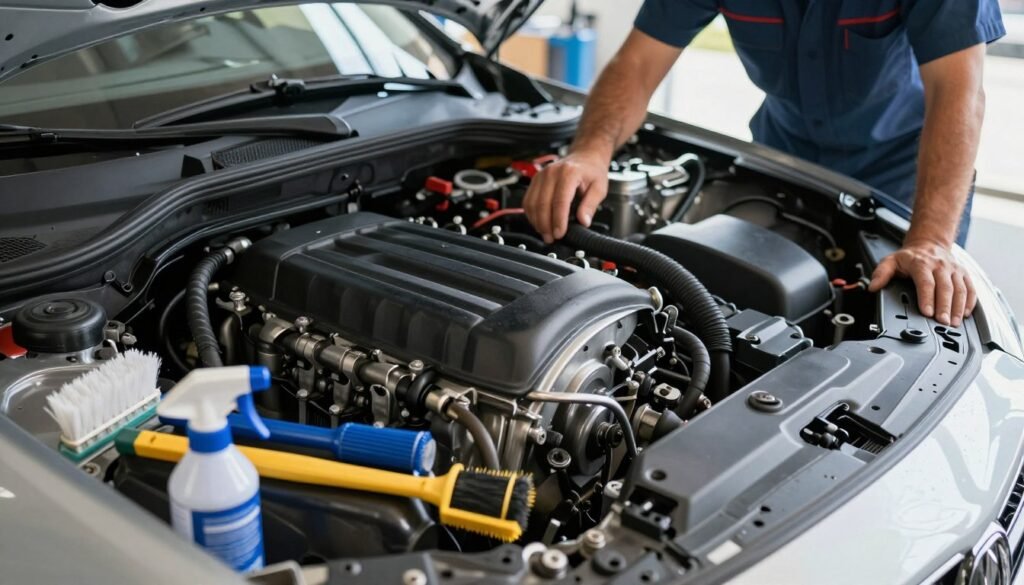
Maintaining a clean engine is essential for the longevity and efficiency of your vehicle. Engine cleaning refers to the process of removing accumulated dirt, grease, oil, and road grime from the engine bay and its various components. This restoration not only improves the appearance but also enhances the engine’s functionality.
Every time your car hits the road, it is exposed to harsh environmental contaminants. Understanding the importance of engine cleaning starts with recognizing this fact. Over time, dirt and grime can accumulate, leading to various issues.
Understanding Engine Cleaning
Engine cleaning is crucial for preserving the performance of your vehicle. Regular maintenance allows car owners to inspect the engine bay closely. This inspection helps spot small leaks or worn parts before they escalate into major repairs.
Common Causes of Engine Dirt and Grime
Several factors contribute to the buildup of dirt and grime in the engine bay:
| Cause | Description |
|---|---|
| Oil Leaks | Oil leaks attract dust and dirt, leading to a sticky residue. |
| Road Debris | Debris kicked up during driving can settle in hard-to-reach areas. |
| Grease Accumulation | Natural engine operation causes grease to build up over time. |
| Environmental Contaminants | Leaves, pebbles, and other debris can enter the engine bay. |
Impact of a Dirty Engine on Vehicle Performance
A dirty engine can significantly impact vehicle performance. Layers of grime act as insulation, reducing cooling efficiency. This prevents proper heat dissipation from the engine block, which can lead to overheating.
Moreover, excessive grease and oil buildup on components can cause premature deterioration of rubber hoses, belts, and electrical connections. This increases the risk of unexpected breakdowns on the road.
It’s essential to use a degreaser specifically formulated for automotive use. This helps break down stubborn, baked-on grease without damaging sensitive components under the hood.
Many drivers underestimate how quickly a clean car engine can become dirty again. Regions with harsh winters, unpaved roads, or heavy urban pollution can exacerbate this issue. Therefore, regular engine cleaning is a foundational maintenance task that preserves both the performance and resale value of any car.
Evaluating the Cost and Benefits of HHO Engine Cleaning
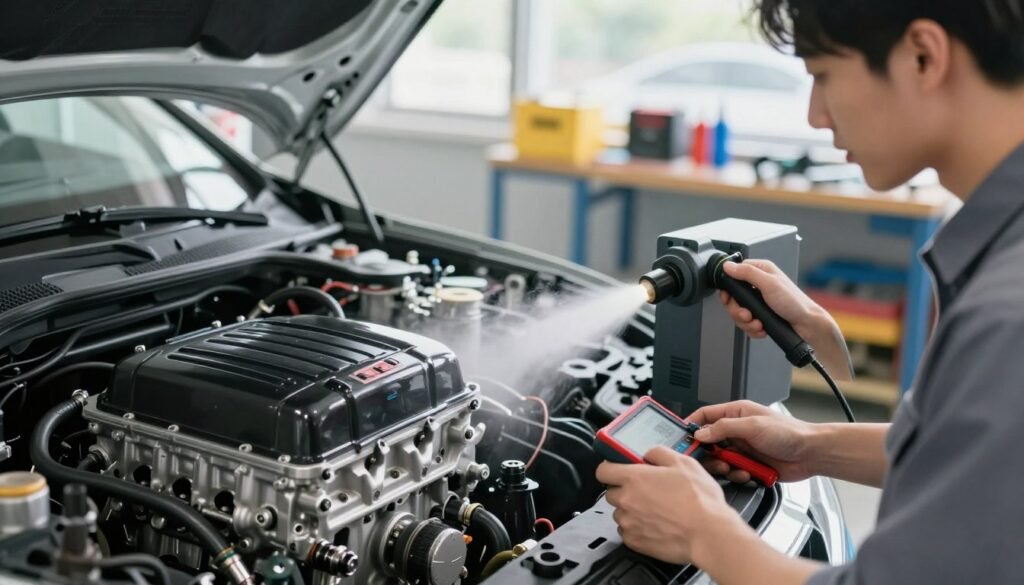
Investing in modern vehicle maintenance can lead to significant long-term benefits. One such method gaining attention is HHO engine cleaning. This innovative approach uses electrolysis to produce oxyhydrogen gas, which effectively removes carbon deposits from your vehicle’s engine.
During the process, the HHO gas is introduced into the engine’s air intake system while the engine runs. This allows the hydrogen and oxygen mixture to reach combustion chambers, intake valves, and exhaust components without the need for disassembly. Unlike traditional methods, which often involve chemical degreasers, HHO cleaning is a dry, non-abrasive process. It leaves no residue in the engine compartment and requires no water or scrubbing.
Benefits: Performance, Longevity, and Maintenance
The benefits of HHO engine cleaning are substantial. First, it can restore horsepower, providing smoother acceleration and improved throttle response. This is achieved by eliminating carbon buildup on valves and pistons, which often leads to reduced engine knocking.
Additionally, a clean engine operates cooler and experiences less internal friction. This reduction in friction helps extend the life of critical components, ultimately benefiting the overall longevity of your vehicle.
Regular HHO engine cleaning can also lead to lower emissions, which can help your vehicle pass smog tests. Over time, you may notice improved fuel economy, further enhancing the cost-effectiveness of this maintenance method.
Considering the Cost: Is It Worth It?
When evaluating the cost of professional HHO engine cleaning services, prices typically range from $100 to $300, depending on the service provider and vehicle type. Comparing this to traditional chemical intake cleaning or manual scrubbing can highlight the value of HHO cleaning. While upfront costs may seem higher, the long-term savings on fuel and reduced repair bills can justify the investment.
Providers like Ace Tunes offer HHO engine cleaning services with transparent pricing and documented results. This gives car owners a reliable option to consider. Ultimately, whether HHO engine cleaning is worth it depends on your specific vehicle, driving habits, and budget. Factors such as the age of your car, mileage, and existing maintenance history should all play a role in your decision-making process.
| Aspect | HHO Engine Cleaning | Traditional Methods |
|---|---|---|
| Process | Uses oxyhydrogen gas | Uses chemical degreasers |
| Residue | No residue left | May leave residue |
| Water Usage | No water required | Often requires water |
| Performance Improvement | Restores horsepower | Variable improvement |
| Cost Range | $100 – $300 | $50 – $150 |
How to Clean Your Engine Properly: Step-by-Step Guide
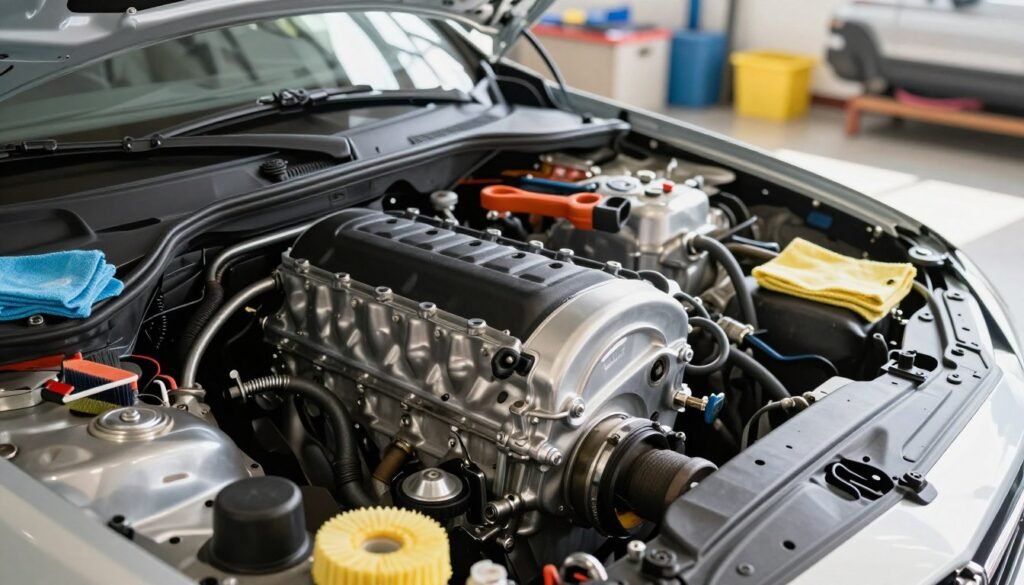
Understanding the right approach to cleaning your vehicle’s components can enhance performance. Proper maintenance not only keeps your car looking good but also helps it run efficiently. Here’s a detailed guide on how to clean your engine effectively.
Preparing Your Engine for Cleaning
Before starting, it’s crucial to prepare your engine properly. Skipping this step can lead to water damage to sensitive electrical components. First, ensure the car engine is completely cool to the touch. Spraying water on a hot engine can cause warping and cracking of metal parts.
Lift the hood and cover sensitive electrical components, including the alternator, distributor, and air intake system, with plastic bags and tape. Disconnect the battery terminals and remove the battery if possible. Clear away any leaves, debris, and accumulation around the engine bay and windshield wiper area. Lastly, check beneath the car for any existing oil leaks before applying water or cleaner.
Manual Cleaning Method
For the manual cleaning method, apply a non-corrosive engine cleaner liberally across the entire engine bay. Ensure all greasy areas are thoroughly coated, and let it penetrate for 3-5 minutes. Use a non-metallic bristled brush to agitate stubborn grease and grime buildup, especially around the valve cover and intake manifold.
Next, rinse with a garden hose using moderate water pressure, brushing away any remaining dirt. After washing, carefully remove the plastic bags by folding them inward to avoid spilling water on electrical parts. Finally, dry the engine thoroughly using a clean towel or compressed air to blow moisture out of crevices and electrical connections, preventing corrosion and starting issues.
Pressure Washer Cleaning Method
If you prefer using a pressure washer, ensure you use appropriate PSI settings and nozzle tips. Start 3-5 feet from the engine bay surface and move closer only as needed to avoid forcing water into sensitive areas. Remove loose dirt and debris from around the engine compartment first.
Pour cleaner into the pressure washer detergent tank. Use a foam cannon or low-pressure spray nozzle to apply the cleaner, allowing it to sit for 3-5 minutes. Then, switch to a higher-pressure nozzle for rinsing while maintaining a safe distance from the carburetor and electrical components.
Safety Tips and Precautions During Cleaning
Always remember to avoid using vinegar or bleach-based products. Acetic acid can cause rust on metal, while sodium hypochlorite can corrode steel, aluminum, and rubber seals. Check local county and state laws regarding car wash runoff regulations. If you’re unsure, consider using a self-serve car wash facility where water is recaptured and filtered in a closed system for environmentally safe disposal.
A properly cleaned engine bay not only looks better but also runs cooler. It allows for easier leak detection and contributes to the overall longevity of your vehicle.
Conclusion
In conclusion, maintaining a clean engine is crucial for the overall health and performance of your vehicle. Regular cleaning not only enhances cooling efficiency but also reduces wear on essential components. This practice directly impacts your car’s reliability and resale value.
Whether you opt for professional HHO services or choose to clean at home, the aim remains the same: a well-maintained engine that operates smoothly and lasts longer. The investment in HHO cleaning should be considered against its long-term benefits, including improved fuel economy and reduced emissions.
Performing maintenance 1-2 times a year allows you to catch leaks early and address minor issues before they escalate. Assess your vehicle’s condition and driving environment to determine the best cleaning approach for your needs. Ultimately, a clean engine is a practical investment in your vehicle’s future.