Have you ever wondered how the ECM diesel engine system impacts the performance of your vehicle? The Engine Control Module (ECM) serves as the brain of modern diesel engines, managing critical functions such as fuel injection, timing, and emissions control. Understanding how the ECM works can help you identify performance issues early, improve fuel efficiency, and keep your diesel vehicle operating at its best.
Proper maintenance of your diesel power plant is not just about routine checks; it’s about knowing how the module processes data to optimize power output. As technology evolves, the significance of the Engine Control Module grows, making it vital for your truck’s performance under various driving conditions.
This guide aims to provide you with essential tips to monitor and maintain your engine effectively. By implementing proactive diagnostic and maintenance strategies, you can prevent costly downtime and ensure compliance with environmental standards.
Key Takeaways
- The Engine Control Module is essential for regulating fuel injection and performance.
- Understanding its functions can enhance your vehicle’s reliability.
- Modern diesel technology relies heavily on the ECM for optimal performance.
- Regular maintenance helps prevent costly repairs and downtime.
- Proactive strategies are key to ensuring compliance with environmental standards.
Understanding the Engine Control Module

Have you considered how the brain of your truck enhances its operational capabilities? The engine control module (ECM) is essential for managing various functions that keep your vehicle running smoothly. It processes data from sensors to regulate fuel injection and turbocharger boost pressure.
This control module continuously optimizes real-time operations. By managing fuel delivery and ignition timing, it ensures that your vehicle performs well during both idling and highway driving. A well-functioning control system is crucial for maximizing performance.
| Function | Description | Impact on Performance |
|---|---|---|
| Data Processing | Processes sensor data to adjust engine functions | Optimizes power output |
| Fuel Management | Regulates fuel injection timing | Improves fuel efficiency |
| Ignition Control | Adjusts ignition timing for better combustion | Enhances engine response |
When the control module is calibrated correctly, it improves fuel efficiency by ensuring the right amount of fuel is injected into the cylinders. Understanding this system allows operators to diagnose issues that could lead to sluggish acceleration or inconsistent power delivery. For more information on maintaining your truck’s performance, visit our about us page.
The Role of ECM in Modern Diesel Engines

The control module plays a vital role in shaping the efficiency of modern diesel vehicles. Since its introduction in the 1970s, the evolution of these systems has transformed how engines manage complex tasks. This includes variable valve timing and adaptive transmission control.
Today, engines must comply with strict EPA Tier 4 standards. These regulations have successfully reduced nitrogen oxides and particulate matter by up to 90% compared to earlier models. The module’s role is to balance performance with emissions control, ensuring your truck remains compliant while delivering necessary torque.
| Component | Function | Impact on Emissions |
|---|---|---|
| ECM | Regulates engine performance | Reduces harmful emissions |
| Oxygen Sensors | Monitor air-to-fuel ratios | Improves combustion efficiency |
| Exhaust Gas Recirculation | Recycles exhaust gases | Minimizes nitrogen oxides |
Advanced computing power allows these components to improve fuel efficiency for long-haul fleet operators. By integrating feedback loops from oxygen sensors, modern systems provide precise control over air-to-fuel ratios, reducing harmful pollutants in the atmosphere. For more insights on enhancing performance, check out our engine tuning services.
Recognizing Warning Signs of ECM Issues
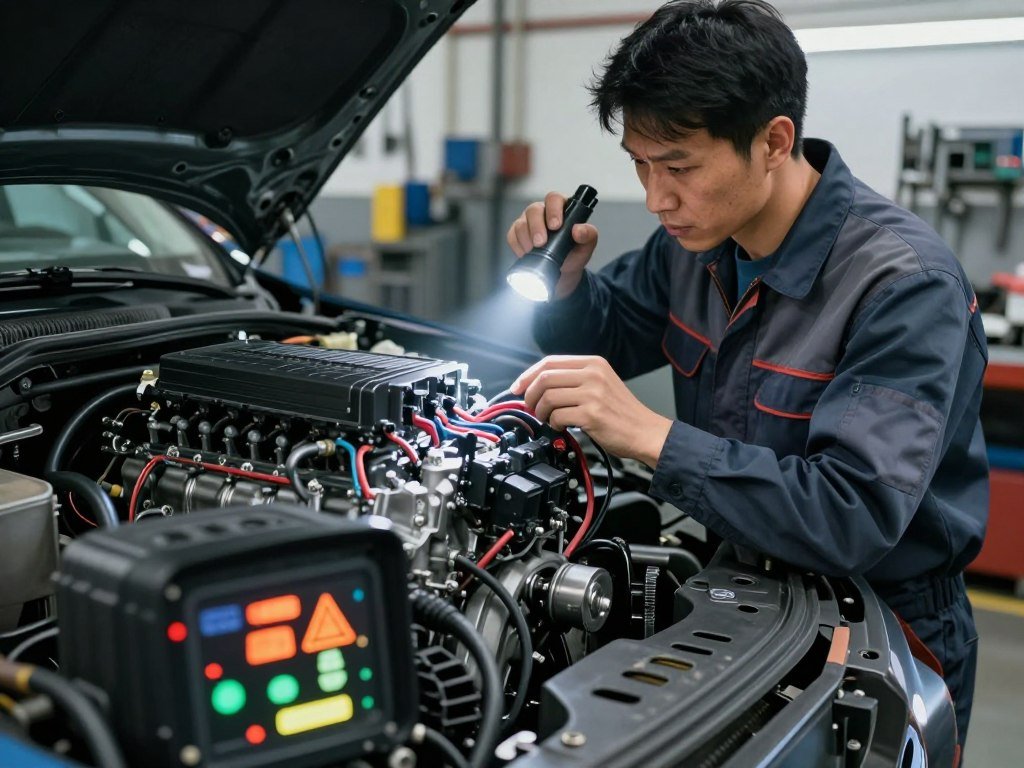
Can you recognize the early warning signs that your vehicle’s control module might be failing? Being aware of these signs can help you address problems before they escalate. Research indicates that automotive control units can show predictable degradation patterns when exposed to heat cycling and moisture.
Operators should be vigilant for symptoms such as sluggish acceleration or inconsistent power delivery. These issues often precede more serious problems. It’s essential to monitor these early signs to maintain optimal performance.
Early Symptoms and Performance Irregularities
- Look for sluggish acceleration that may indicate a malfunction.
- Inconsistent power delivery can signal underlying issues.
- Multiple alerts from sensors may suggest misread data rather than sensor failure.
Interpreting Diagnostic Trouble Codes
Diagnostic trouble codes are invaluable for pinpointing issues. For example, code P0606 indicates an internal processor fault, which may require professional repair or replacement. Similarly, code P061C can help technicians understand why an engine struggles to maintain RPM levels during idle or acceleration.
| Diagnostic Code | Description | Implication |
|---|---|---|
| P0606 | Internal processor failure | May need repair or replacement |
| P061C | Engine RPM performance issues | Indicates potential control problems |
| N/A | Multiple sensor alerts | Possible misreading of data |
For more insights on identifying issues with your control module, visit this page.
Essential Maintenance Strategies for Optimal Performance
Understanding the importance of electrical systems in your vehicle can greatly enhance its performance. Regular checks can prevent issues that might affect the operation of your vehicle’s control systems.
One critical area to focus on is the electrical connections. Technicians must inspect all grounds for corrosion, as poor grounding is one of the most common causes of stalling and random codes. This simple step can save you from more complex problems down the road.
Maintaining stable communication across all electronic systems is essential. Moisture or corrosion at connector points can distort critical sensor data, leading to performance issues. A clean power supply is also necessary for the ECM to maintain proper operation. Voltage drops can cause the module to reboot unexpectedly.
Regularly checking the harness for vibration-related damage helps prevent intermittent shorts that mimic internal failures within the control module. By monitoring every sensor and ensuring the wiring harness is secure, you protect the fuel delivery system from receiving inaccurate or corrupted signals.
For a comprehensive checklist on diesel truck service, visit this page.
Calibrating Fuel Injection and Timing for Improved Efficiency
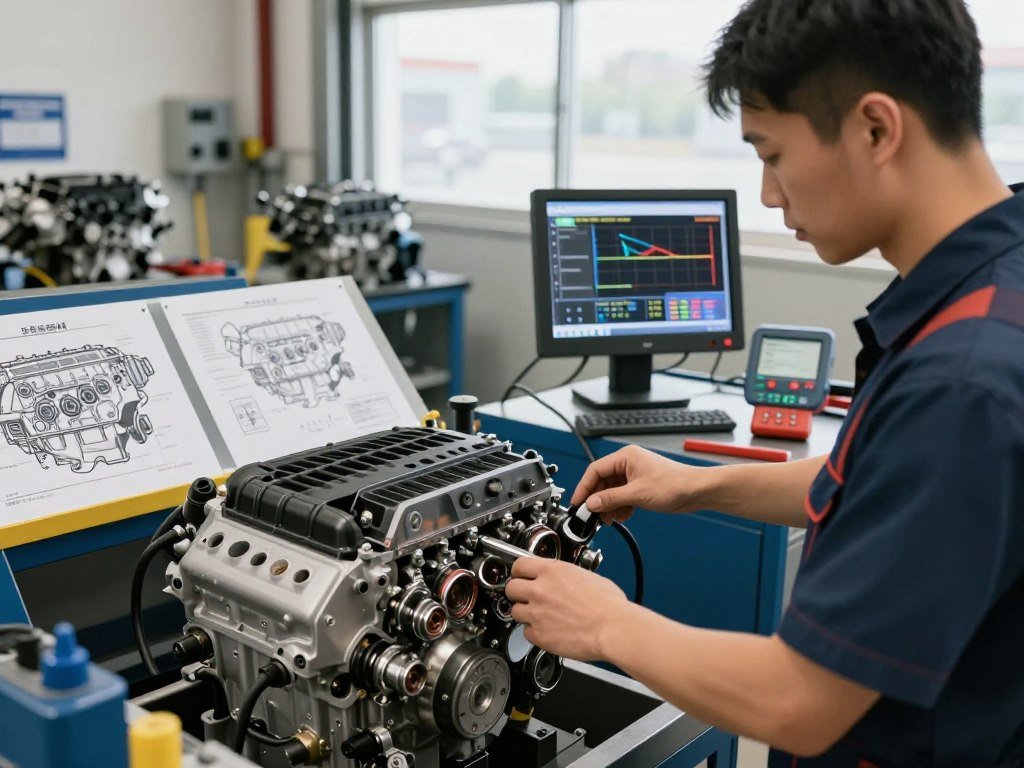
How can the precise calibration of fuel injection and timing enhance your vehicle’s efficiency? The control module plays a vital role in determining the exact amount of fuel to inject into the cylinders. This ensures complete combustion and minimizes waste.
Precise fuel injection timing is critical for maximizing power. The module must calculate the exact moment for combustion to occur. A well-calibrated system optimizes fuel delivery for the current load, preventing excessive fuel consumption during heavy hauling.
If the module is not programmed correctly, it may inject too much fuel, leading to higher emissions and poor efficiency. Operators can improve fuel efficiency by updating the module to manage idle control settings. This reduces waste during extended stops.
By adjusting injection timing based on real-time engine load, the module maintains consistent performance. This approach also protects the engine from unnecessary thermal stress.
Boosting Performance with an ecm diesel engine
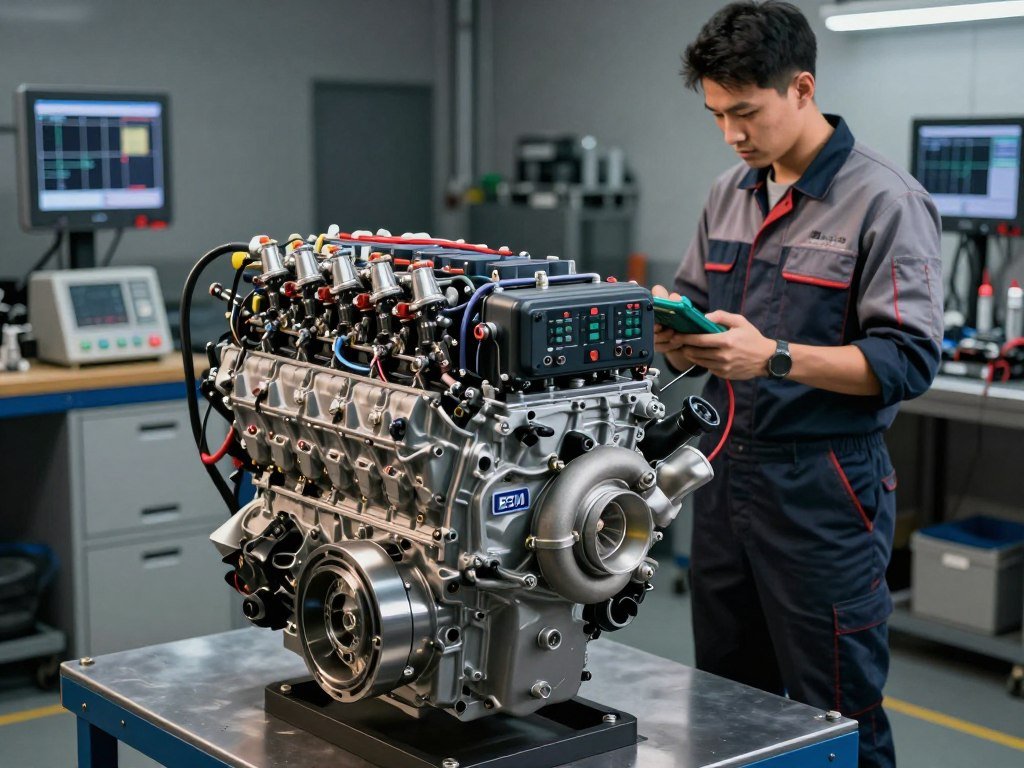
What if you could unlock additional power from your truck with simple modifications? Performance tuning is a great way to enhance your vehicle’s capabilities. By adjusting fuel mapping and turbo boost control, you can significantly improve throttle response and torque.
Manufacturers often release software updates for control modules. These updates fix bugs and enhance how engines handle power, especially under high-demand conditions. It’s crucial to keep your system updated to maximize performance.
Professional technicians should perform all recalibration tasks. This ensures that modifications align with manufacturer guidelines and federal emissions regulations. Optimizing the module allows your truck to deliver the right amount of power without stressing its components.
Regular software updates keep your engine performing at its best. This helps prevent sluggish acceleration, often caused by outdated control settings. By taking these steps, you can ensure your truck remains responsive and efficient.
| Action | Description | Benefit |
|---|---|---|
| Performance Tuning | Adjusts fuel mapping and turbo boost | Enhances throttle response and torque |
| Software Updates | Corrects bugs and improves power handling | Maximizes engine performance |
| Professional Recalibration | Aligns modifications with guidelines | Ensures compliance with regulations |
For more insights on enhancing your vehicle’s performance, visit this page.
Preventive Measures and Diagnostic Testing Procedures
What steps can you take to ensure your vehicle’s control systems are functioning optimally? Regular preventive measures can significantly enhance the reliability of your vehicle’s performance. Implementing diagnostic testing procedures is essential for identifying potential issues before they escalate.
According to NASA electronic systems research, microcontrollers under thermal stress often exhibit inconsistent output signals. This makes functional testing crucial for early detection of problems. Additionally, Transport Canada’s ecoTECHNOLOGY program emphasizes structured evaluation to prevent misdiagnosis of electronic control systems.
Conducting Bench Load and Functional Tests
Bench load testing evaluates the control module under simulated real-world conditions. This method helps identify faults in internal processors that may not be detectable while the module is installed in the vehicle. Technicians must also test the 5-volt reference voltage output to ensure that sensors receive stable power, as internal regulator failure is common.
Utilizing Professional Diagnostic Tools
By utilizing professional diagnostic tools, technicians can monitor CAN bus communication effectively. This allows for confirmation if the module is dropping data packets or failing internally. These steps are crucial for maintaining the power and efficiency of your vehicle’s systems.
| Testing Procedure | Description | Importance |
|---|---|---|
| Bench Load Testing | Simulates real-world conditions to evaluate the ECM | Identifies internal faults not detectable in-vehicle |
| 5-Volt Reference Testing | Checks voltage output to sensors | Ensures stable power supply for accurate data |
| CAN Bus Monitoring | Tracks communication between modules | Detects data packet loss or internal failures |
Optimizing Component Interactions and Sensor Alignment
What role does the interaction between various components play in optimizing your truck’s performance? Ensuring stable communication across all electronic systems is vital. The module must coordinate with the transmission to manage gear shift points effectively.
Proper sensor alignment allows the control module to accurately monitor air intake and throttle position. This is essential for maintaining consistent performance. When the module communicates effectively with other control systems, the truck experiences smoother power delivery and improved fuel injection efficiency.
Technicians should verify that the wiring harness is free from interference. Poor communication can lead to complex problems during heavy-load conditions. By aligning every sensor with the module’s logic, you ensure that the engine operates as a synchronized ecosystem, maximizing the longevity of all components.
For more insights on maintaining your vehicle’s performance, visit this page.
Conclusion
Imagine the impact of a well-maintained control module on your vehicle’s performance and fuel efficiency. The control module is the brain of your truck, balancing performance and emissions compliance in real-time.
Regular maintenance, including software updates and electrical inspections, is vital to prevent common issues. By keeping an eye on early warning signs and utilizing professional diagnostics, you can avoid costly downtime and ensure your engine remains reliable.
Proper calibration of fuel injection and turbo boost settings allows you to unlock your vehicle’s full potential. If persistent issues arise, consulting with professional technicians for bench testing is the best step to restore your truck to peak condition.
Investing in the health of your control modules ensures that your truck meets the demands of modern driving. For expert assistance, consider exploring our diesel services.