Have you ever noticed your vehicle losing power, fuel efficiency, or responsiveness even though you stay on top of routine maintenance? One common cause is the accumulation of carbon deposits inside critical engine components. This is where carbon cleaning engine services can make a significant difference. Over time, modern engines develop carbon buildup on intake valves, combustion chambers, and other vital parts, restricting airflow and reducing overall performance. Understanding how carbon deposits affect your engine can help you take proactive steps to restore efficiency, improve drivability, and extend the life of your vehicle.
Experts at Ace Tunes emphasize the importance of maintaining a clean system for vehicle longevity. Every car, including hybrids, will eventually experience this issue. Professional services specializing in carbon cleaning engine can help restore the lost power and responsiveness of your vehicle. Utilizing advanced technology, these processes effectively eliminate deposits from critical areas like valves and combustion chambers.
Understanding how your engine operates is essential for ensuring its reliability and efficiency. Regular maintenance, including specialized services, can prevent sluggish acceleration and poor fuel economy. Drivers who prioritize their engine’s health often notice significant improvements in handling and performance.
Key Takeaways
- Regular maintenance is key to vehicle longevity.
- Carbon buildup can restrict airflow and reduce performance.
- Professional services can restore engine power and responsiveness.
- Understanding engine function helps maintain efficiency.
- Prioritizing engine health improves handling and fuel economy.
Understanding Carbon Build-Up and Its Impact on Performance
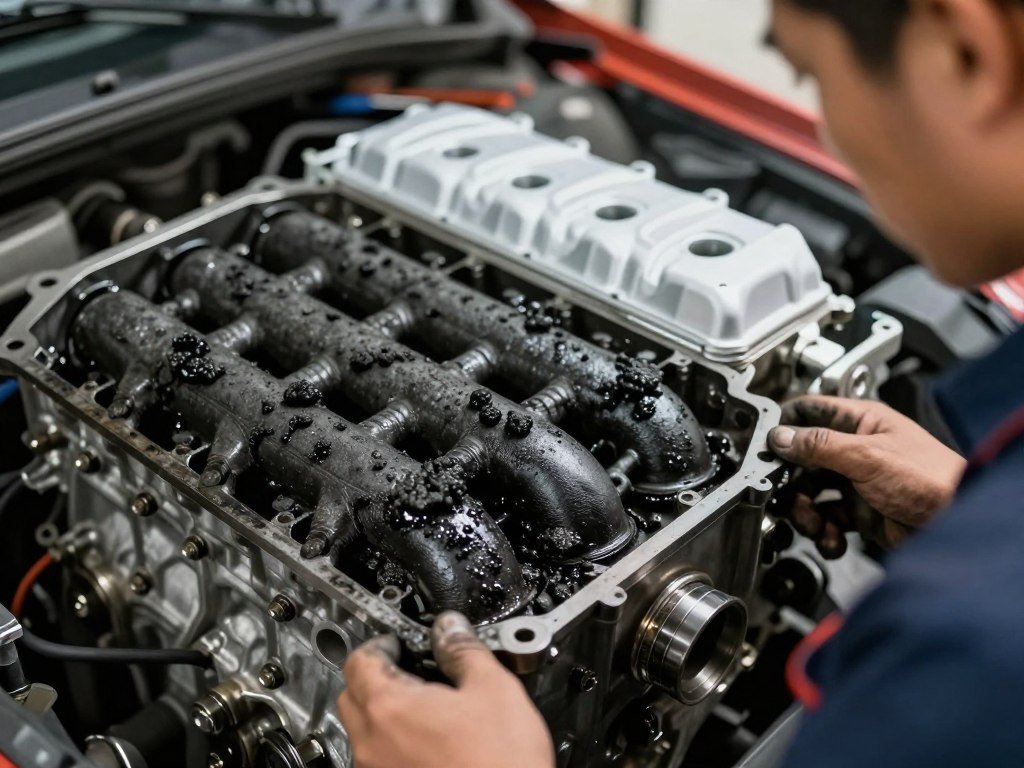
Are you experiencing a decline in your vehicle’s efficiency, despite routine care? Carbon build-up is a common issue that can significantly affect your car’s performance. This buildup often occurs on critical components, particularly the intake valves, leading to various operational challenges.
Common causes of carbon deposits include frequent short trips and the use of low-quality fuel. Short trips prevent the engine from reaching optimal temperatures, which accelerates the formation of deposits. Low-quality fuel can lead to faster accumulation, directly impacting combustion efficiency.
When carbon deposits block the intake valves, turbulence increases, slowing the gas charge. This results in noticeable performance loss. Additionally, excessive build-up can cause rough idling and hesitation, complicating modern engine management systems.
Moreover, poor fuel economy and increased emissions are common consequences when carbon restricts airflow. Urban drivers often face these issues more severely due to stop-and-go traffic, which hinders the engine’s ability to burn off residue. Addressing these concerns early is essential, as neglecting them can lead to costly repairs.
| Cause | Effect | Solution |
|---|---|---|
| Frequent short trips | Accelerated carbon build-up | Opt for longer drives |
| Low-quality fuel | Increased deposits | Use higher-grade fuel |
| Stop-and-go driving | Rough idling | Regular engine maintenance |
For more insights on addressing these issues, consider exploring hydrogen cleaning services.
How a Carbon Cleaning Engine Works
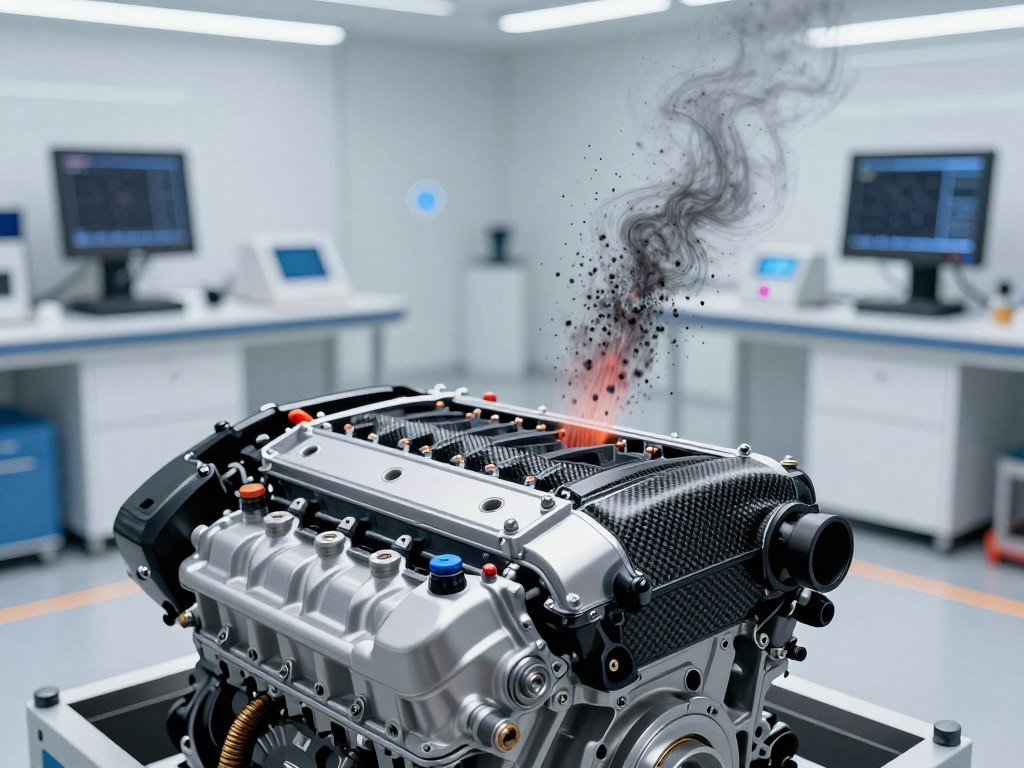
Are you aware that hidden deposits could be affecting your car’s performance? Understanding how a carbon cleaning engine operates can provide valuable insights into maintaining your vehicle’s efficiency. The core principle involves using HHO gas, also known as OxyHydrogen, to target and release stubborn deposits.
When HHO gas is injected into the combustion chamber, it creates a high-temperature environment. This process helps break down carbon through a chemical reaction. Additionally, water is converted into steam, which acts as a powerful agent to remove residue from the engine’s internal surfaces.
This technology is designed to be safe and effective, restoring the efficiency of your internal combustion system without harsh chemicals. By focusing on the combustion chamber, the cleaning process ensures that fuel burns more effectively, leading to smoother operation.
Many modern services utilize this gas-based method as a non-invasive solution for vehicle owners. The effectiveness of this technology relies on steam and hydrogen’s ability to penetrate deep into the engine’s components. As the process concludes, engines often have fewer deposits, resulting in better gas flow and improved power delivery.
For more information on how to enhance your vehicle’s performance, consider visiting our services page.
Implementing a Carbon Cleaning Engine in Your Vehicle
Is your vehicle’s performance not what it used to be, even with regular upkeep? Evaluating your engine’s needs is the first step before choosing a service. Many performance issues stem from ignition or fuel faults rather than just deposits.
One effective method is walnut blasting, used by brands like BMW. This technique fires crushed walnut shells at high pressure to clean intake valves, effectively removing stubborn deposits.
For a more cost-effective option, consider a mobile carbon clean service, which typically costs around £99. This service offers a convenient way to maintain your vehicle without breaking the bank.
Selecting the right cleaning technology is crucial. It depends on the severity of the deposits and your vehicle’s specific design. While HHO cleaning is popular, methods like walnut blasting often yield better results for direct injection engines that face heavy build-up.
A professional technician can also connect a computer to your car to reset fault codes. This process can enhance the overall performance of your vehicle. By carefully evaluating your engine’s state, you can choose the most suitable cleaning method for optimal results.
Investing in the right service helps protect your engine from future damage and ensures that your fuel system remains in peak condition. For more information on available services, visit our services page.
Step-by-Step Guide to Carbon Cleaning Maintenance
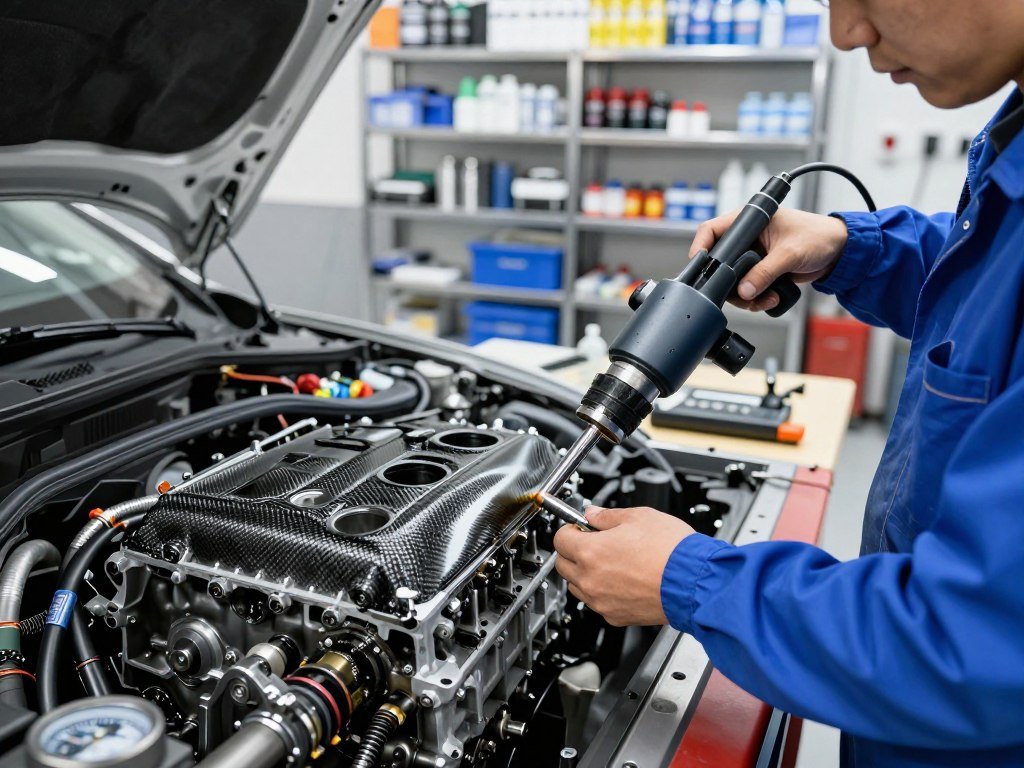
Is your vehicle struggling to perform at its best, even with regular maintenance checks? Understanding the carbon cleaning maintenance process can help you ensure your engine remains efficient. This guide outlines the essential steps involved in this service.
Diagnostic Inspection and Pre-Service Preparation
The first step is a thorough diagnostic inspection. This ensures that your vehicle is suitable for a carbon clean service. Technicians will check the engine oil and coolant levels to guarantee a safe cleaning process for all internal components.
Detailed Cleaning Procedures and Techniques
The standard carbon cleaning process typically takes between 1 and 1.5 hours, depending on the extent of the buildup. For a more comprehensive clean, a full-service option takes about 3 hours and includes manual stripping of the intake and throttle body.
During the cleaning procedure, technicians monitor the engine’s vital statistics. This ensures that the process yields the desired results. Proper maintenance also involves inspecting the exhaust system and intake ports to confirm no debris remains after cleaning.
By following these steps, you can ensure your engine receives the best care possible. Regular maintenance intervals are essential, as they prevent the accumulation of deposits that could lead to costly repairs over time.
| Step | Time Required | Details |
|---|---|---|
| Diagnostic Inspection | 30 minutes | Check oil and coolant levels |
| Standard Clean | 1 – 1.5 hours | Basic cleaning process |
| Full-Service Clean | 3 hours | Includes manual stripping |
Benefits of Effective Carbon Cleaning for Fuel Economy and Emissions
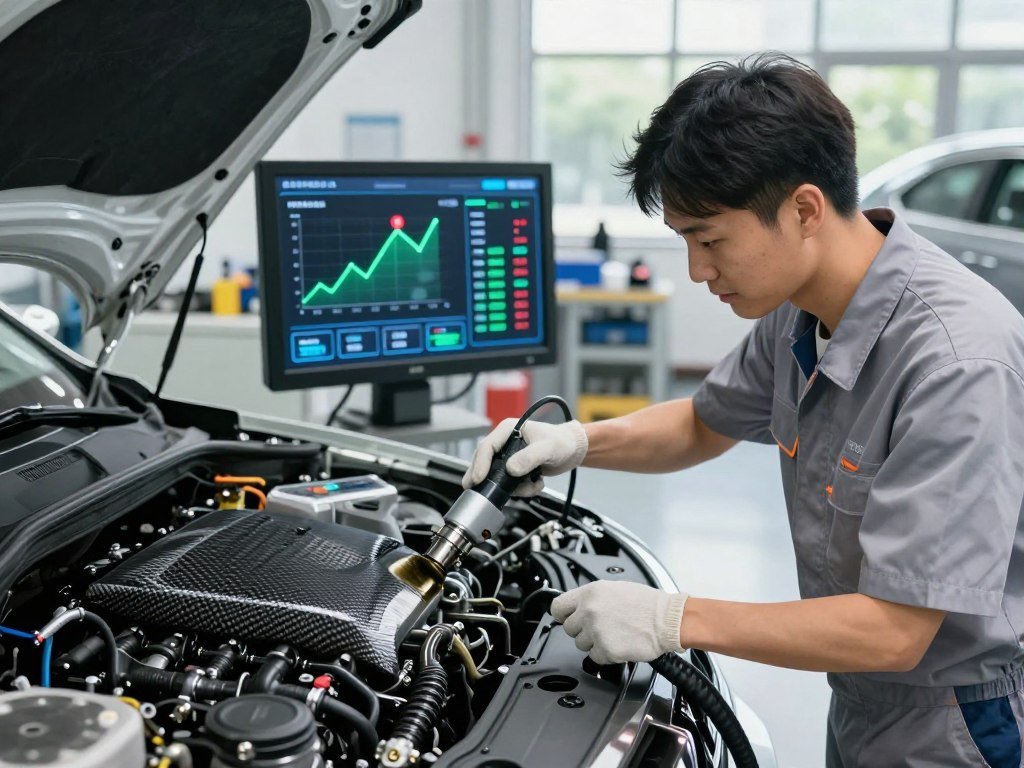
Could your vehicle’s performance be suffering due to hidden issues that regular maintenance overlooks? Effective carbon cleaning offers numerous advantages, particularly for fuel economy and emissions. By addressing carbon deposits, you can significantly enhance your vehicle’s efficiency.
Fleet owners, for instance, can save up to 40% on fuel and repair costs by utilizing regular carbon clean services. This process not only boosts power output but also reduces harmful emissions, making it a win-win for both your wallet and the environment.
A cleaner engine operates more efficiently, resulting in improved airflow and better fuel atomization. Vehicle owners often report faster acceleration and smoother idling after a professional carbon clean service. Additionally, this process helps ensure compliance with modern emissions standards, promoting cleaner air quality.
Investing in carbon cleaning is a proactive approach to maintaining your vehicle’s value and performance. It leads to less frequent maintenance and reduces wear and tear on internal components, ultimately resulting in a more reliable vehicle.
Maintenance Tips and Best Practices for Engine Longevity
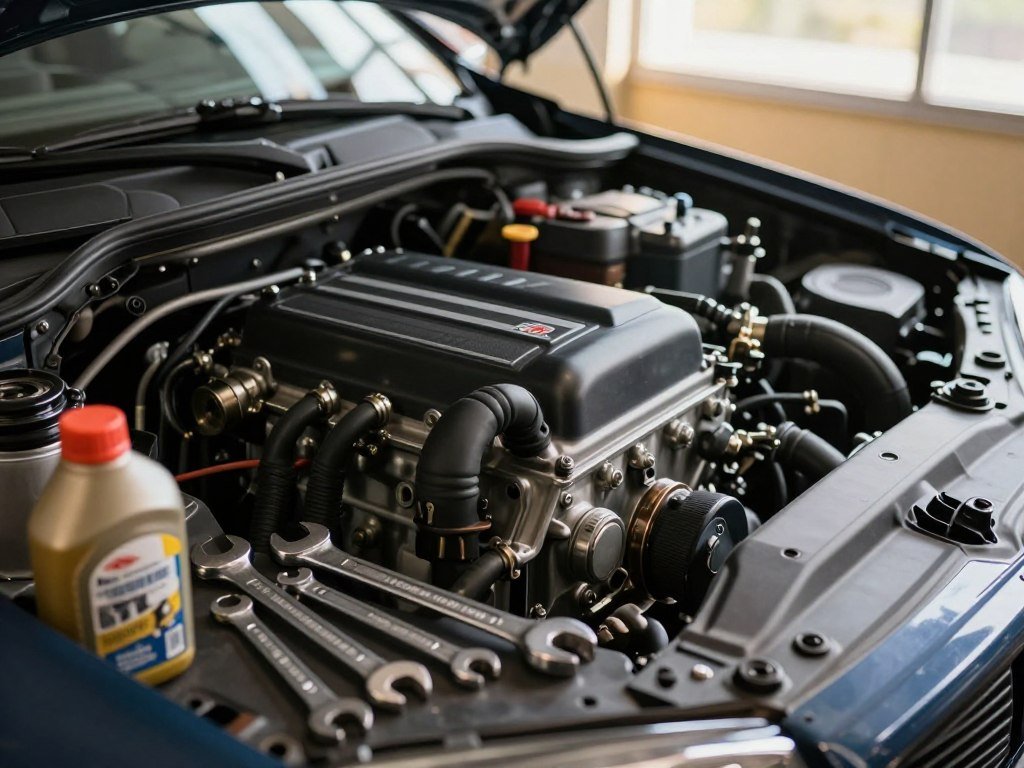
To keep your vehicle performing optimally, regular maintenance is crucial. A standard hydrogen carbon clean is recommended every 15,000 to 20,000 kilometers or every six months. This practice helps maintain efficiency and prevents harmful deposits from accumulating.
Using high-quality engine oil is essential. It reduces the formation of deposits on critical components like piston crowns. Regular check-ups should also include inspecting the intake and exhaust systems. This ensures that no oil or fuel vapors are causing blockages.
For diesel vehicles, employing a pre-filter can safeguard the fuel system from water and particle contamination. This contamination often leads to issues related to carbon build-up. Additionally, drivers should avoid frequent short trips. These trips prevent the engine from reaching the temperature needed to naturally burn off deposits.
Maintaining the cooling system is equally vital. A faulty thermostat can lead to sticky, oily deposits forming on intake valves. Following these best practices ensures that your vehicle remains in peak condition, providing consistent results and preventing major repairs.
Whether you drive a petrol or diesel car, consistent maintenance is the most effective way to keep your engine running smoothly for years. For further information, check out this ultimate guide and explore diesel truck service checklists.
Conclusion
In conclusion, professional carbon cleaning services have been enhancing vehicle performance since 1985. These services help restore power and improve fuel efficiency across various engines. Whether you drive a petrol or diesel car, removing deposits is essential for reducing harmful emissions.
The difference in driving quality after a carbon clean is often immediate. Many owners report smoother acceleration and better responsiveness. By selecting the right services, you can protect your vehicle’s components from premature wear and avoid costly repairs.
We encourage all vehicle owners to prioritize regular maintenance. This ensures that your engine continues to deliver optimal results for years to come. Ultimately, a clean engine leads to better efficiency, providing a superior driving experience and long-term savings on fuel and maintenance costs.
For more insights on the benefits of carbon deposits and their removal, visit this informative link.