Have you ever wondered how proper maintenance can significantly enhance the performance of your heavy machinery? Understanding the intricacies of construction equipment maintenance is crucial for any operation aiming to maximize efficiency and minimize costs.
In the asset-intensive world of construction, machinery like bulldozers and cranes plays a pivotal role. Keeping these machines in safe and optimal working order is not just a necessity; it’s a strategic advantage. A well-structured maintenance program can help mitigate wear and tear, ultimately saving your company from costly repairs.
Regular inspections are essential to ensure compliance with safety standards, especially in high-stakes environments. By implementing a proactive approach to maintenance, managers can extend the lifespan of their assets while boosting overall return on investment. The insights provided by the Industry Maintenance report emphasize the importance of managing complex machinery effectively.
Key Takeaways
- Effective maintenance is vital for profitable operations.
- Structured programs help reduce wear and avoid costly repairs.
- Regular inspections ensure compliance with safety standards.
- A proactive approach extends equipment lifespan.
- Investment in maintenance boosts overall ROI.
Understanding the Importance of Construction Equipment Maintenance
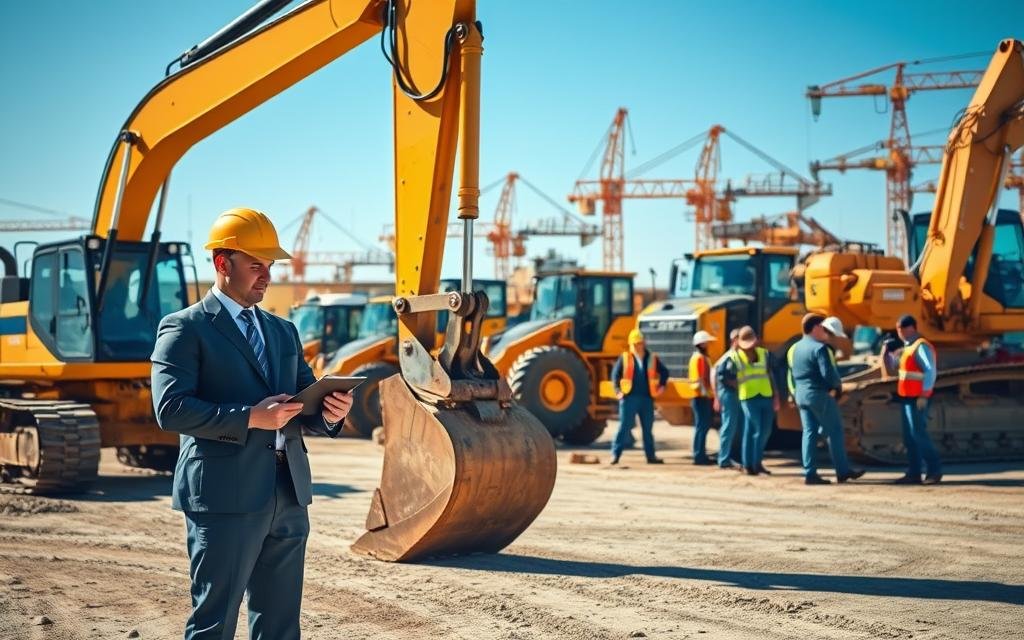
Understanding how to care for your machinery can dramatically influence its performance. Proper maintenance not only enhances safety but also boosts productivity on the job site. Regular checks and preventive measures can prevent significant issues, allowing operations to run smoothly.
Preventive maintenance can reduce machinery repair bills by 25 percent. For instance, an $80,000 machine that typically requires $24,000 in maintenance over 5,000 hours can see that cost drop to just $18,000 with a proactive approach. This not only saves money but also minimizes downtime, which can lead to costly project delays.
Moreover, poorly maintained equipment poses safety hazards to personnel. Regular inspections of hydraulic systems and engine components are essential to ensure safety on site. A comprehensive maintenance plan helps identify potential failures before they escalate, protecting both workers and equipment.
| Maintenance Approach | Typical Costs | Potential Savings | Safety Risks |
|---|---|---|---|
| Preventive Maintenance | $18,000 | 25% Reduction | Low |
| Reactive Maintenance | $24,000 | None | High |
For more detailed strategies, consider reviewing the diesel truck service checklist. This resource provides insights into maintaining heavy machinery effectively, ensuring optimal performance and safety.
Essential Heavy Equipment Maintenance Strategies
The right maintenance approaches can transform the performance and longevity of your heavy machinery. Two primary strategies are often discussed: reactive and preventive maintenance. Understanding these can help you make informed decisions for your operations.
Reactive maintenance, also known as “run to failure,” occurs only after a machine breaks down. This method can lead to unexpected downtime and higher repair costs. On the other hand, preventive maintenance focuses on routine inspections and scheduled servicing. By addressing wear and tear proactively, this strategy can significantly reduce the likelihood of major failures.
Condition-based maintenance takes this a step further. Utilizing IoT sensors, it monitors the performance of critical components in real-time. For example, vibration sensors can detect issues in concrete mixers before they escalate. This allows for timely interventions, ensuring that machinery remains operational and efficient.
By integrating a robust maintenance program, you can ensure that all systems, from hydraulic to engine components, are regularly serviced. This not only enhances safety but also maximizes the lifespan of your machinery.
Developing a Comprehensive Maintenance Program
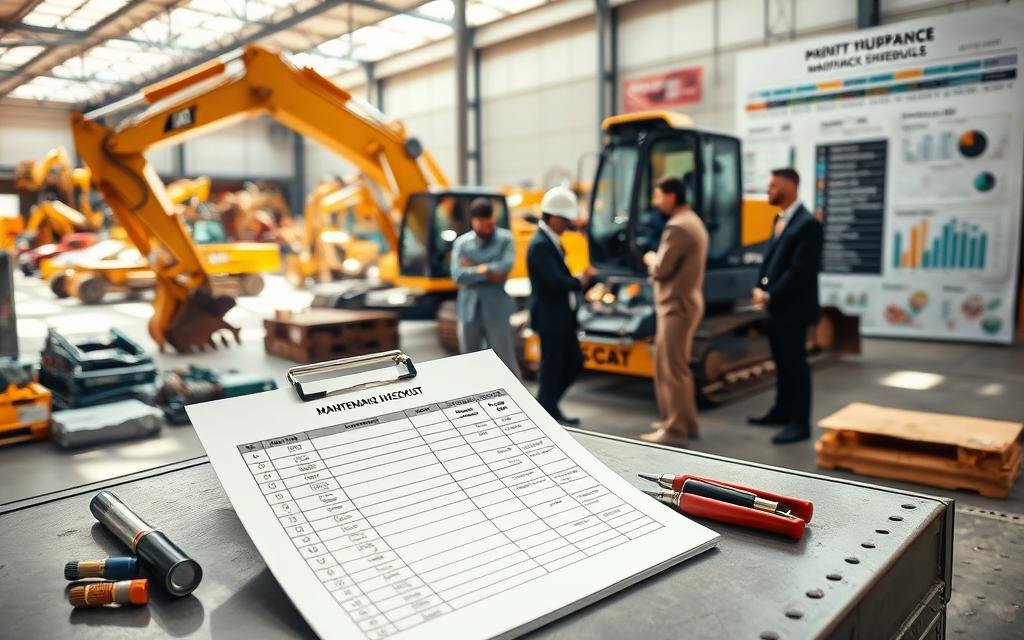
Implementing a comprehensive maintenance strategy can significantly impact the operational success of your equipment. Setting clear, measurable goals is the first step. Focus on minimizing downtime and reducing repair costs. These objectives guide your entire maintenance program.
A successful maintenance program must include a detailed asset inventory. Document the make, model, and operating hours of every machine in your fleet. This record is essential for tracking performance and planning future maintenance tasks.
Assigning specific roles to technicians and operators ensures accountability. Everyone must understand their responsibilities in maintaining the safety and condition of your machinery. Clear documentation of service tasks and inspections is also critical. It provides a historical record that helps in analyzing performance over time.
- Set measurable goals to minimize downtime and repair costs.
- Maintain a detailed asset inventory for all machines.
- Assign clear roles to technicians and operators for accountability.
- Document all service tasks and inspections for future reference.
- Use data to identify recurring failures and adjust schedules proactively.
Implementing a Preventive Maintenance Checklist
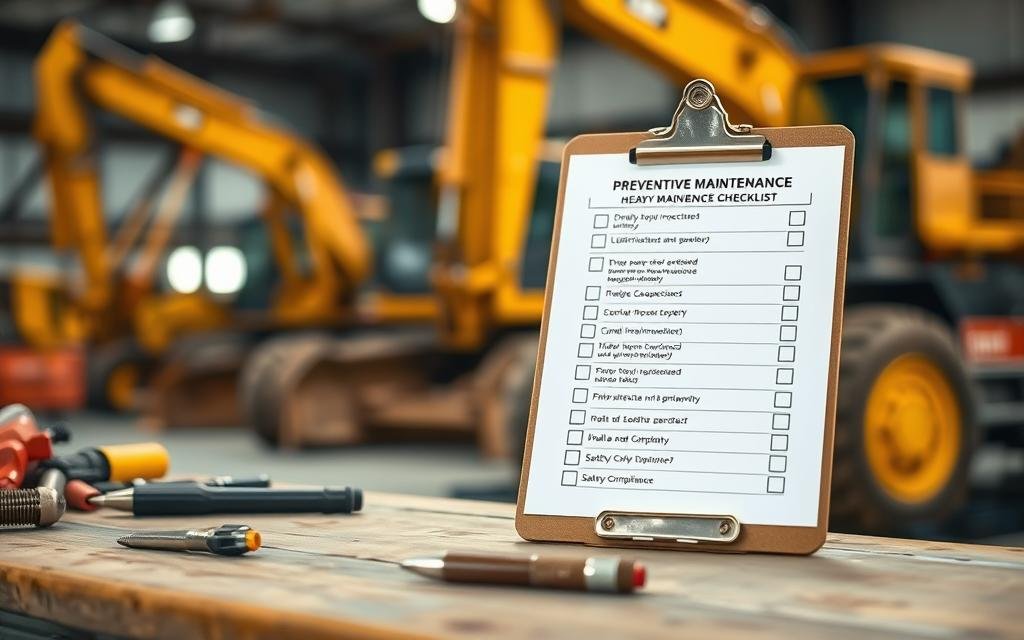
A well-structured preventive maintenance checklist is vital for ensuring the reliability of heavy machinery. Regular inspections help identify potential issues before they lead to significant failures. This systematic approach includes daily, weekly, monthly, and annual checks to maintain optimal performance.
Daily inspections should focus on critical safety features. Operators must verify that lights and signals work and check fluid levels for the engine and hydraulic systems. These simple checks can prevent costly repairs down the line.
Weekly maintenance tasks involve a detailed examination of the cab interior and key components like brakes and steering. Identifying signs of wear early can enhance safety and efficiency.
Monthly service routines include essential tasks such as oil changes and replacing air filters. These actions ensure the engine operates at peak efficiency.
Annual inspections provide a thorough check of hydraulic systems and transmission components. This deep dive ensures all parts function as intended, maintaining safety and reliability.
| Inspection Frequency | Tasks | Purpose |
|---|---|---|
| Daily | Check fluid levels, tire inflation, safety features | Prevent failures and ensure safety |
| Weekly | Inspect cab interior, brakes, steering | Identify wear and enhance performance |
| Monthly | Oil changes, replace air filters | Maintain engine efficiency |
| Annual | Thorough check of hydraulic systems | Ensure functionality and safety |
By following a rigorous maintenance program, companies can significantly reduce the risk of unexpected failure and extend the lifespan of their machinery. Operators play a vital role in this process by reporting any unusual noises or vibrations they notice during daily operations. For more detailed strategies, check out our equipment maintenance program.
Leveraging Technology in Equipment Maintenance

Embracing modern technology can revolutionize how you manage machinery upkeep. Organizations can lose up to $1.3 million annually due to maintenance inefficiency. This staggering figure highlights the need for effective solutions.
Utilizing a Computerized Maintenance Management System (CMMS) acts as a centralized hub for all maintenance tasks. Technicians can track the service history of every piece of heavy machinery, ensuring that nothing is overlooked.
Integrating IoT sensors into your maintenance strategy enables real-time monitoring of critical systems. For instance, tracking engine temperature and hydraulic pressure can help predict failures before they occur. This proactive approach minimizes downtime and reduces costs.
Moreover, data-driven insights from a robust maintenance program allow managers to schedule service based on actual machine usage. This ensures that inspections and repairs are timely and relevant, enhancing the overall reliability of your equipment fleet.
Effective Construction Equipment Maintenance Practices
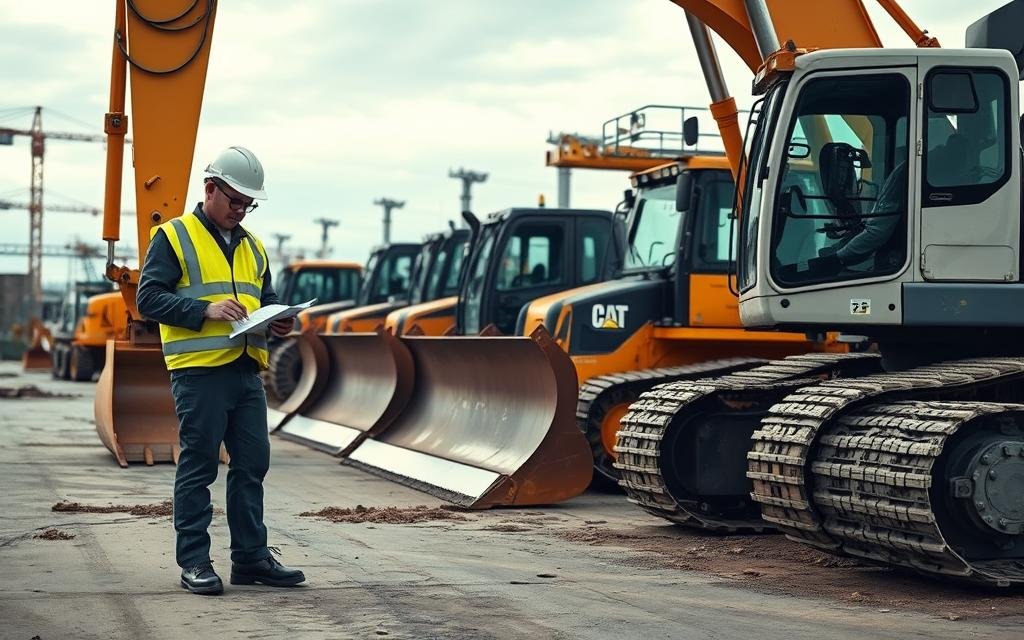
Implementing effective practices for machinery upkeep is essential for enhancing performance. Regular lubrication, calibration, and cleaning are vital for keeping heavy equipment functioning efficiently. These tasks not only prolong the life of machinery but also prevent costly repairs down the line.
Fluid analysis of engine oil, fuel, and hydraulic fluid serves as an early warning system. This practice allows technicians to detect internal wear before it leads to failure. Such proactive measures are crucial for maintaining operational efficiency.
Training operators to recognize early signs of machine failure is another best practice. This training significantly reduces the risk of catastrophic damage to equipment. A consistent maintenance program should also include regular checks of all safety systems to ensure optimal working order.
By adhering to a strict maintenance plan, companies can avoid the costly repairs that often result from neglecting routine service tasks like filter changes. Implementing a comprehensive equipment maintenance checklist ensures that all critical components are inspected, providing documented proof of compliance with manufacturer recommendations.
Operator Training and Team Involvement for Maintenance Excellence
Empowering operators with training can lead to enhanced performance and reduced wear on machines. Knowledgeable workers not only boost productivity but also contribute to a safer work environment. Effective training programs should encompass a thorough review of the operator’s manual, along with hands-on demonstrations of all machine controls and safety protocols.
Establishing feedback loops between operators and maintenance technicians is vital. This process allows for the reporting of any unusual machine behavior, helping to identify potential maintenance issues early. By fostering open communication, teams can work together to enhance operational efficiency.
Training Programs and Safety Protocols
Regular training sessions keep operators informed about the latest maintenance tasks. This ensures that the entire fleet remains in safe and optimal working order. Well-trained operators are often the first to notice changes in machine performance, acting as the first line of defense against equipment failure.
Feedback Loops and Continuous Improvement
Continuous improvement in maintenance excellence is achieved when teams collaborate to identify recurring failures. By refining service procedures based on operator feedback, companies can foster a culture of safety and accountability. This involvement protects their investment in heavy machinery and enhances overall performance.
Conclusion
Prioritizing the care of your machinery is a strategic investment that can greatly enhance the profitability and safety of your operations. By adopting a robust preventive maintenance program, you can significantly decrease the chances of unexpected machine failure and costly downtime.
Leveraging modern technology allows for more precise scheduling of service tasks, ensuring your heavy equipment remains reliable. Additionally, empowering your operators through comprehensive training fosters a culture of accountability that can extend the lifespan of your valuable machinery.
Consistent adherence to a structured maintenance plan helps keep your projects on schedule and within budget. Ultimately, a commitment to maintenance excellence is the most effective way to boost your return on investment and build a more resilient business.
For more insights on how to enhance your maintenance strategies, feel free to contact us.