Have you ever wondered if your car is hiding untapped potential beneath its hood? While many drivers associate engine tuning with high-speed racing, it is actually a practical method for improving how much you spend at the pump.
Most cars arrive from the factory with generic settings designed for broad market appeal and emissions compliance. This often means your vehicle runs with conservative parameters that do not prioritize maximum fuel savings or peak performance.
By optimizing the internal combustion process, you can achieve better efficiency without losing daily reliability. This guide explores how small digital and mechanical adjustments lead to a smoother and more economical driving experience.
Whether you want to save money or improve your throttle response, understanding your engine is the first step. Proper tuning allows you to reclaim the power and savings that factory limitations often hide.
Key Takeaways
- Modern tuning focuses on optimizing the combustion process and air intake.
- Factory settings are often conservative to meet broad international regulations.
- Strategic adjustments can improve gas mileage by 10% to 20%.
- Electronic and mechanical upgrades work together for the best results.
- Optimization enhances throttle response while lowering long-term costs.
- Reliability remains a priority when applying professional performance updates.
Understanding Engine Performance Fundamentals

Before diving into tuning methods, let’s explore the core mechanics that drive vehicle efficiency. To get the most out of every gallon, you need to know what happens under the hood. Most engines operate through a complex dance of air, pressure, and heat.
When these elements align, you get better performance and lower costs. Every component must work together to turn raw energy into movement. Small changes in these basics can lead to significant savings over time.
The Critical Role of Air-Fuel Mixture in Efficiency
The air-to-fuel ratio determines how well your engine burns its energy source. The ideal balance is about 14.7 parts air to 1 part fuel. This stoichiometric ratio ensures complete combustion and reduces wasted resources.
If the mixture is too rich, unburned gas exits through the exhaust. This directly lowers your mileage and increases harmful emissions. Conversely, a lean mixture can cause a dangerous knock that harms internal parts.
How Ignition Timing Affects Fuel Consumption
The spark plug must fire at the exact right microsecond. This ignition timing determines when the explosion pushes the piston down. If the timing is off, the engine loses its rhythm and wastes energy.
Advanced timing can increase power, but it requires careful management to avoid pre-ignition. If the timing is retarded, the throttle response becomes sluggish. This delay forces you to press the pedal harder, which uses more fuel during acceleration.
Exhaust Flow Optimization and Engine Breathing
After combustion, spent gases must leave the cylinders quickly. An optimized exhaust setup reduces back pressure, letting the engine breathe easier. When the system flows well, the vehicle doesn’t have to work as hard to clear out waste.
Reduced back pressure allows the cylinders to fill with a fresh mixture more effectively. This creates a cycle of better breathing and more complete combustion. Efficiency improves when the exhaust gases exit without resistance.
Horsepower and Torque: What They Mean for Fuel Economy
Horsepower measures the ability to do work over time, influencing top speed. Torque represents the twisting force that gets the wheels moving from a stop. High torque at low RPMs allows for better efficiency during daily commutes.
When your vehicle has enough torque, it doesn’t need to rev high to maintain speed. Staying in a lower RPM range uses less gas. Balancing these forces ensures your car moves easily without wasting precious energy.
| Component | Primary Function | Efficiency Benefit |
|---|---|---|
| Air-Fuel Mixture | Combustion Balance | Maximizes fuel extraction |
| Ignition Timing | Spark Precision | Ensures efficient power stroke |
| Exhaust Flow | Gas Expulsion | Reduces engine back pressure |
| Torque Delivery | Twisting Force | Reduces high-RPM strain |
How Engine Tuning Works to Improve Fuel Economy
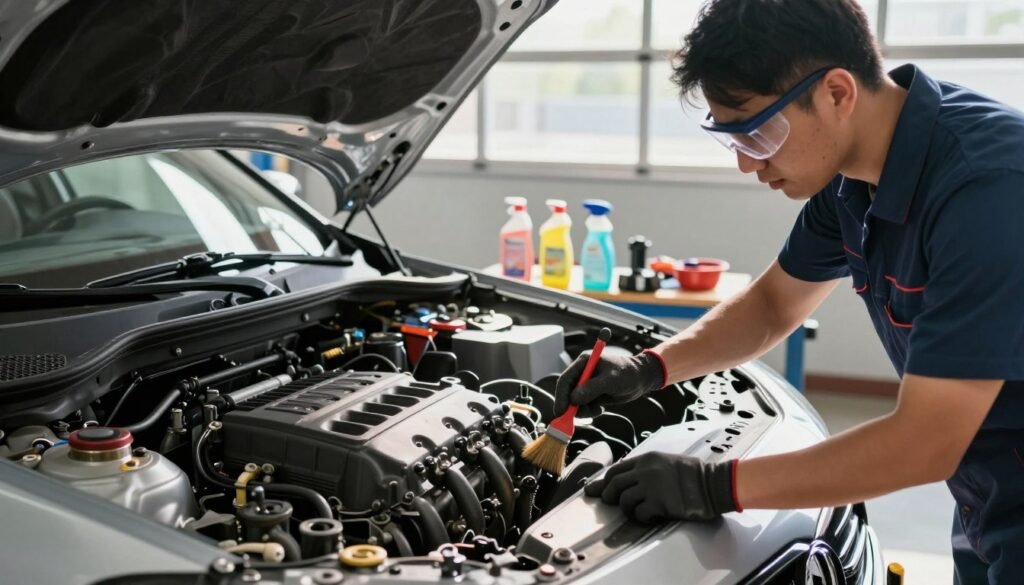
Engine tuning represents a smart way to refine how your vehicle manages energy production. It involves making precise changes to the computer or the mechanical parts to boost performance and durability. These adjustments help the system run at its peak based on your specific needs.
At its heart, this process focuses on the conversion of energy into motion. By recalibrating how the system handles combustion, you can reduce waste. This leads to a more responsive ride and better savings at the gas station.
Defining Engine Tuning and Its Purpose
This process includes a broad range of changes to the internal combustion engine. It can range from simple software updates to physical part upgrades. The main goal is to improve how the system transforms gas into movement.
A professional approach ensures that the vehicle operates with much higher efficiency. By focusing on the ECU, technicians can change thousands of parameters at once. This creates better conditions for burning every drop of energy used.
Factory Engine Settings and Built-In Limitations
Automakers usually ship vehicles with very conservative factory settings. These calibrations must work in extreme heat, freezing cold, and with low-quality gas. Because of this, they leave a lot of potential on the table.
Many brands use the same engine for different car models to save on design costs. They use software to create artificial limits and differentiate between cheap and expensive models. Proper tuning removes these barriers to unlock the true potential of the hardware.
The Direct Link Between Proper Tuning and Fuel Efficiency
Better mileage happens when calibration moves the engine into its ideal work zone. This involves maintaining perfect air-fuel ratios and advancing the spark timing. These changes allow the system to extract more energy from a smaller amount of fuel.
Reducing pumping losses also plays a major role in saving money. When the valves and throttle respond better, the system does not have to work as hard. This results in a smoother experience and fewer trips to the pump.
Balancing Power Output with Economy Goals
Finding a balance between high power and low consumption requires careful planning. While maximum horsepower is fun, economy maps focus on the mid-range torque used in daily life. This is where most drivers spend their time while commuting.
Effective tuning creates a synergy between air flow, friction reduction, and combustion. It eliminates the wide safety margins built into the factory software that you do not need. This targeted approach can often improve your mileage by up to twenty percent.
| Adjustment Area | Standard State | Tuned Result |
|---|---|---|
| Injection Timing | Conservative | Precision Matched |
| Air Intake | Restricted | Optimized Flow |
| Spark Timing | Retarded | Advanced Accuracy |
| Software Mapping | Global Logic | Custom Profile |
| Torque Delivery | Limited | Mid-Range Boost |
Modern ECU Tuning Methods for Fuel Optimization
Today’s drivers can unlock hidden fuel savings by tapping into the digital brain of their cars. Modern vehicles rely on complex electronics to manage every single combustion cycle. This digital approach allows for precise changes that were once impossible with mechanical parts.
Understanding Your Vehicle’s Engine Control Unit
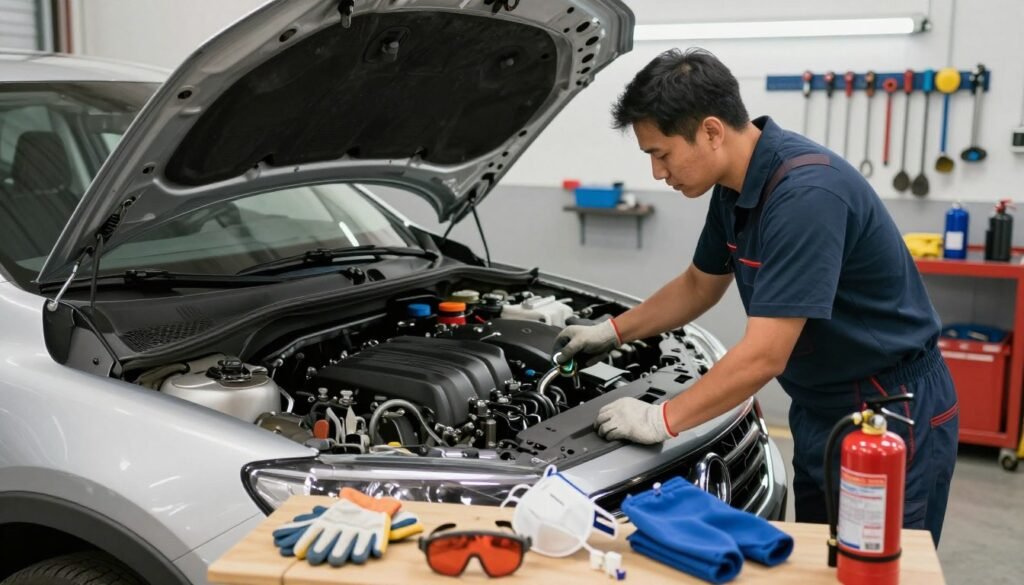
The Engine Control Unit, or ECU, acts as the central computer for your car. It manages vital functions like fuel injection and ignition timing thousands of times every second. Most modern cars use an engine management system from manufacturers like Bosch or Delphi Technologies.
This computer uses firmware to decide what the engines need under different loads. Specialists can adjust these internal settings to help the vehicle run more efficiently. These changes stay within safe limits to protect the longevity of your hardware.
ECU Remapping: Adjusting Parameters for Better Mileage
ECU remapping involves accessing the management firmware through the diagnostic port. This process reads the factory data and allows experts to tweak specific parameters for better mileage results. You do not need to swap out any physical parts to see a difference in performance.
Specialists focus on fuel injection timing and boost pressure to maximize every drop of gas. By refining the control unit’s firmware, the car operates more smoothly under normal driving conditions. This results in a more responsive drive and fewer trips to the gas station.
Tuning Software and Data Logging Tools

Advanced tuning software provides a visual way to edit the engine’s operation. These tools show three-dimensional maps of fuel delivery and spark advance. Data logging is also vital because it records how the system performs on the road.
By reviewing these logs, you can see exactly how the motor reacts to different loads. This information helps you identify where the current calibration wastes fuel. Fine-tuning these parameters ensures the computer works at its peak efficiency.
Professional Tuning Services vs DIY Approaches
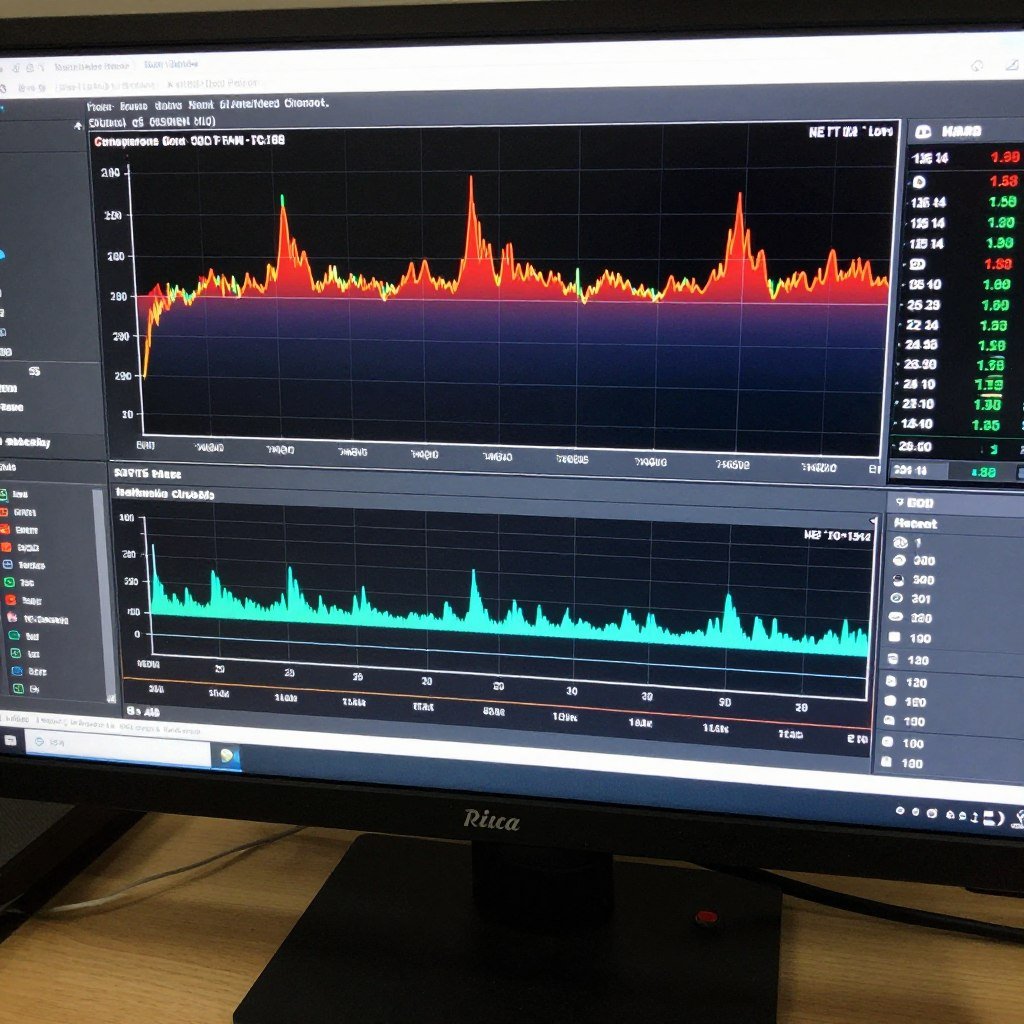
A professional engine tuning service offers the best results through years of experience and high-end equipment. They use tools like chassis dynamometers to measure efficiency in a controlled environment. This expertise prevents mistakes that could lead to costly repairs.
DIY methods are possible for enthusiasts who enjoy learning the technical side of their engine. However, these approaches require careful research and conservative changes to remain safe. Most drivers find that professional services provide the most reliable gains for daily use.
Specific Engine Modifications That Boost Fuel Economy
Certain mechanical adjustments can transform your vehicle into a more efficient machine. While software is essential, physical parts help the engine reach its full potential. These upgrades reduce internal resistance and help the system run smoother to save fuel.
Cold Air Intake Systems and Airflow Improvements
A cold air intake relocates the filter away from hot components to draw in denser air. Every 10-degree drop in air temperature can boost air density by nearly 2%. This allows the engine to burn gasoline more effectively without increasing consumption.
Quality intake systems also use high-flow filters that reduce breathing restriction. These components decrease the pumping work the vehicle must perform to draw in air. This saved energy directly translates into better mileage for your daily drive.
Performance Exhaust Systems for Reduced Back Pressure

A high-quality exhaust system uses larger pipes and smooth mandrel bends to reduce back pressure. This helps the engine expel gases without working as hard against resistance. An optimized exhaust can improve your overall economy by 2% to 5%.
Proper performance upgrades must balance flow with gas velocity for the best results. If the exhaust pipes are too large, you might lose the low-end torque needed for city driving. A well-designed exhaust system manages these factors while giving the vehicle a deeper sound.
Upgraded Spark Plugs and Ignition Components
Upgrading your spark plugs ensures that every bit of vapor ignites inside the chamber. Iridium or platinum plugs offer a hotter, more consistent spark than standard copper versions. This prevents the efficiency losses often caused by incomplete combustion or occasional misfires.
Stronger ignition coils work with these plugs to provide a reliable spark even with lean mixtures. This setup helps maintain perfect timing for every explosion. Consistent ignition prevents the waste associated with worn or fouled ignition components.
Throttle Body and Fuel Injector Optimization
Upgrading to a larger throttle body increases the airflow into the intake through a wider bore. Some electronic versions open faster to boost throttle response immediately. These precision parts allow the vehicle to reach target power with less mechanical effort.
Using smoother, less-contorted exhaust manifolds helps maintain the speed of the leaving gases. Larger poppet valves also decrease restrictions in the path of the air mixture. Precision injectors ensure a fine spray pattern that maximizes the burning efficiency of every drop.
Implementing Tuning Stages for Maximum Efficiency
Achieving the best fuel economy involves a logical progression of upgrades, ensuring each modification builds upon a healthy engine foundation. This structured approach allows you to monitor changes across different tuning levels while keeping costs manageable. By following a staged path, you can enhance your fuel savings without overwhelming your budget or your motor.
Establishing a Stock Baseline Through Proper Maintenance
Make sure your car is in great shape by changing all fluids and filters and servicing the transmission. Replace old spark plugs and vacuum hoses to create a clean, reliable stock foundation before you upgrade any hardware. This gives your vehicle the best possible starting point for performance modifications.
Establishing a proper stock baseline ensures your upgrades work correctly without causing new mechanical problems. Verification of computer systems and oxygen sensors helps you build on a solid starting point. This initial step often recovers lost mileage before you even touch the software.
Stage 1 Tuning: Entry-Level Modifications for Daily Drivers
Stage 1 provides noticeable power gains by combining an ECU remap with bolt-on part options like cold-air intakes. These simple modifications typically add 10 to 20 horsepower to naturally aspirated engines. Many cars see immediate improvements in air intake efficiency through these basic systems.
Turbocharged vehicles often see a boost of 40 to 60 horsepower from these fundamental changes. Most Stage 1 upgrades are street-legal, easy to reverse, and improve efficiency when you drive responsibly. They work perfectly with stock internal components to maintain daily reliability and meet local emissions standards.
Stage 1.5 and Intermediate Upgrades
Stage 1.5 introduces more complex hardware such as high-flow downpipes and an upgraded intercooler. These additions lower intake temperatures and allow for more aggressive boost settings on a turbocharged vehicle. You might also need premium ignition coils and spark plugs to handle the increased load.
This intermediate level requires a refined ECU calibration to synchronize the new aftermarket parts effectively. It represents the limit of efficiency for most stock fuel pumps and injectors. It is a sweet spot for enthusiasts who want more performance without sacrificing their daily driving comfort.
Understanding When More Tuning Hurts Fuel Economy
Moving to Stage 2 involves a full exhaust system, larger fuel injectors, and a high-flow fuel pump. These levels prioritize performance, often using a front-mount intercooler and custom dyno tuning to maximize power output. This transition usually marks the point where economy begins to decline for most users.
Extreme builds like Stage 3 include big turbochargers and forged internal components meant for track use. These aggressive setups usually hurt fuel economy due to high boost levels and rich air-fuel mixtures. Furthermore, many of these heavy-duty parts may no longer meet factory emissions standards for street use.
Selecting the Right Tuning Stage for Your Driving Needs
Choosing the correct stage depends on your specific goals for your vehicles and your daily commute. Stage 1 is often enough for drivers who want better throttle response and modest power improvements. It offers the most practical balance of cost and real-world fuel savings for your cars.
Consider an aftermarket part only if it fits your budget and doesn’t ruin the efficiency of your engines. Always research how each upgrade affects your total operating costs over time. A conservative approach usually yields the most sustainable results for long-term vehicle health.
Conclusion
Investing in your vehicle’s efficiency through strategic adjustments helps you get the most out of every gallon. Engine tuning for fuel efficiency on this page provides a proven strategy to reduce consumption while maintaining engine performance. You do not need exotic aftermarket parts to see real results in your vehicles.
By addressing restrictions in the intake, exhaust, and ignition systems, you unlock hidden efficiency. This page explains how a cold air intake and high-flow exhaust part reduce back pressure on the crankshaft. Improving the spark plugs and ignition system ensures every drop of fuel burns completely.
Modern engine management allows for precise control of the combustion process. This page shows that an electronic control unit can go beyond stock levels for better results. Tuning this component helps balance power with lower emissions and better throttle response.
On this page, we explore how adding a larger intercooler or adjusting boost levels affects cars. While an extra boost is fun, the goal here is to optimize the exhaust sound and response. Proper engine tuning on this page helps the car run smoother across all areas.
Whether you drive a naturally aspirated engine or a turbocharged ignition system, the principles remain constant. This page offers a roadmap for every owner looking to boost their performance. Perfecting your ignition and ignition timing delivers long-term savings for every driver.