Have you ever wondered if your heavy-duty truck is hiding untapped power just because of standard factory settings? High-performance ecm tuning allows you to unlock that hidden potential by modifying the computer systems in modern vehicles. These sophisticated setups manage fuel delivery and boost pressure to optimize how your vehicle moves.
A professional calibration can significantly boost your vehicle’s performance by increasing horsepower by up to 30 percent. You might also see a noticeable improvement in fuel efficiency, often ranging between 5 and 10 percent. Expert modifications prioritize safety parameters over overly aggressive timing maps to prevent damage.
Choosing a quality tuning service ensures your vehicle remains reliable for many years to come. This guide will help you understand the process and avoid common pitfalls while seeking better results. You will learn how to distinguish between legitimate experts and the scam products currently flooding the market.
Key Takeaways
- ECM tuning optimizes fuel delivery and boost pressure for better efficiency.
- Professional updates can increase horsepower by 15-30% on average.
- Fuel economy typically improves by 5-10% with a proper calibration.
- Expert services prioritize mechanical longevity and factory safety limits.
- Avoid “miracle chips” to prevent serious long-term engine problems.
- Successful modifications balance increased power with daily driving reliability.
Understanding ECM Tuning Basics
Before diving into specific modifications, you must understand the fundamentals of modern engine calibration and its benefits. Proper adjustments ensure your vehicle operates at its peak without compromising safety or reliability.
What Real ECM Tuning Involves
Real ECM tuning occurs when a qualified professional modifies the software inside your engine control module. This local expert analyzes engine data to adjust fuel maps, timing tables, and boost parameters for better efficiency.
Legitimate tuning corrects factory flaws and conservative settings that often prioritize emissions over performance. Expert tuning acts as a digital version of an old-school tune-up for your modern diesel engine.
Realistic Performance Expectations
A high-quality tune delivers noticeable improvements, though results depend on your engine’s mechanical health. Your specific hardware limitations will ultimately dictate the total gains you can achieve safely.
Typical Horsepower Gains
Most diesel engines see performance increases between 15% and 30% with software changes alone. Achieving power levels beyond this range typically requires mechanical upgrades like larger turbochargers or upgraded fuel injectors.
Fuel Economy Improvements
A balanced tuning setup can improve fuel efficiency by roughly 5% to 10% under normal driving conditions. However, chasing aggressive gains focused only on speed may actually cause the vehicle to consume more fuel than a standard tune.
What is ECM Tuning
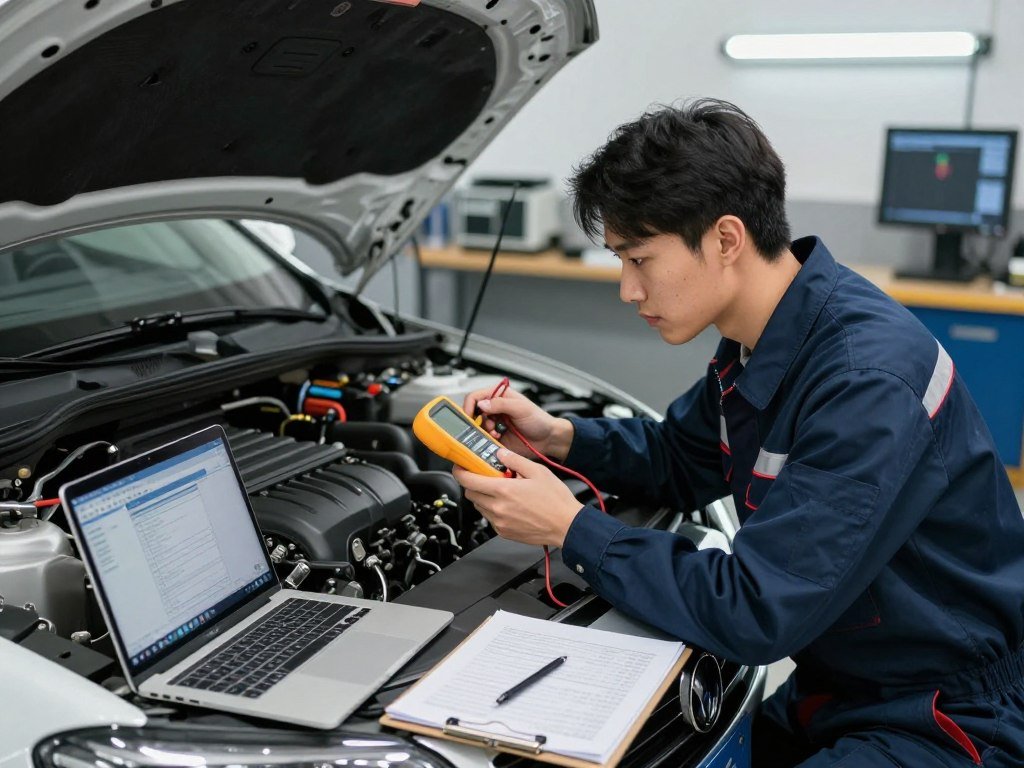
Before you modify your truck, you must know what professional ECM tuning services actually do. This technical process involves rewriting the software inside your engine control module.
The Difference Between Real Tuning and Scam Products
True tuning starts with a qualified technician pulling your specific stock file. If a company does not use your original calibration as the baseline, it is not authentic work.
Red Flags to Avoid
Watch out for products promising instant gains by simply plugging a device into your OBD2 port. Real performance requires deep data collection, not a magic “plug-and-play” fix.
OBD2 Port Scams and Fake Chips
Fake chips often require you to splice into your MAF wiring harness. These devices do not perform actual calibration changes to your ecm but instead trick sensors with false signals.
Canned Calibrations vs Custom Tuning
Canned tunes provide a generic, one-time flash to keep the vehicle compliant. They lack the precision found in data-driven tuning methods.
In contrast, custom ecm tuning uses detailed data logs to optimize your ecm. This approach ensures your modifications work perfectly together for long-term reliability.
Preparing Your Diesel Engine for Tuning
Proper preparation is the foundation of any successful tuning project. You must ensure your truck is ready for the increased stress of high-performance software before making any changes.
Checking Engine Health Before Tuning
Start with a comprehensive mechanical inspection to identify potential weak points. Run a compression test and a boost leak test to verify the system is airtight.
Evaluate your fuel system and check for excessive blow-by. These steps prevent costly failures once the power increases.
Addressing Mechanical Issues First
No software update can fix a worn-out turbocharger or failing fuel injectors. A clogged diesel particulate filter will also prevent any performance gains.
You must resolve these mechanical issues before you consider a new calibration. Tuning an unhealthy truck often leads to catastrophic engine failure.
Choosing Between Local and Remote Tuning
Geographical proximity does not guarantee a better result for your vehicle. Many local shops charge $700 or more for dyno tuning that might not be engine-specific.
Reputable remote tuners often specialize in your exact platform for a lower cost, around $399. Focus on the quality of the file rather than the location of the shop.
Evaluating Tuner Experience
Ask potential tuners about their history with your specific diesel engine. They should have a strong reputation and documented success with your platform.
Check if they understand the common issues associated with your truck’s model year. Experience with your exact application is more valuable than a nearby storefront.
Understanding Required Equipment and Costs
Successful ECM tuning requires a specialized interface to communicate with the vehicle. This hardware can be a hidden expense that adds $400 or more to your budget.
Always ask about the total all-in cost before you start. Some professionals offer loaner programs for the ecm interface to help reduce your initial investment.
Step-by-Step ECM Tuning Process
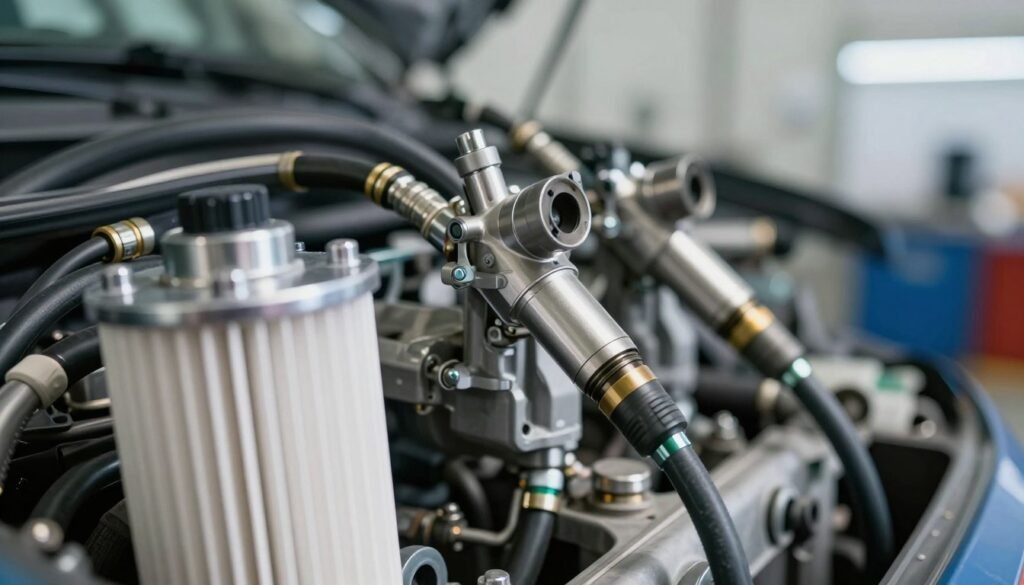
A professional tune follows a structured path from the initial file backup to the final performance test. This process ensures your vehicle remains reliable while gaining significant power. Each stage requires precision and attention to detail to achieve the best results for your diesel vehicle.
Step 1: Creating a Backup of Your Stock File
Any reputable tuner starts by making a digital copy of your stock calibration. This file acts as a critical restoration point if you ever need to return to the original specifications. Experts preserve this file securely to protect your vehicle from software errors or future compatibility issues.
Step 2: Collecting Baseline Data Logs
The tuner collects performance metrics from the engine under various operating conditions. These logs reveal the current health status and identify existing mechanical problems before the tuning begins. This step ensures that the vehicle is physically ready for increased power levels.
Key Data Points to Monitor
Monitoring includes boost pressure, exhaust gas temperatures, and air-fuel ratios. It also covers injection timing and transmission behavior to ensure a comprehensive overview. These data points provide a clear picture of how the hardware handles the current software load.
| Tuning Phase | Primary Activity | Main Benefit |
|---|---|---|
| Preparation | File Backup | System Security |
| Analysis | Data Logging | Engine Health |
| Calibration | Map Tweaking | Performance Gain |
Step 3: Modifying Engine Parameters
In this phase, the tuner adjusts specific values within the ECM software. This step transforms the driving experience by optimizing power delivery and responsiveness. Proper adjustments make the engine more efficient across the entire RPM range.
Professional tuners adjust fuel delivery maps and injection timing tables. They also modify boost targets and torque limiters for better tuning results. These changes must remain balanced to prevent excessive smoke or mechanical strain.
Maintaining Factory Safety Parameters
The tuning process respects maximum cylinder pressure limits and temperature thresholds. Reputable experts maintain these safety guards to protect engine longevity. Keeping these limits in place ensures the vehicle remains durable for long-term use.
Step 4: Testing and Refinement
The final stage involves multiple data logging sessions and incremental calibration adjustments. Your tuner should provide a detailed change-log and copies of both the stock and modified tune files. Reputable tuners always offer the last tune they put on the car for your records.
Common ECM Tuning Mistakes to Avoid
Achieving the perfect balance in diesel calibration requires dodging several frequent errors that beginners often make. Steering clear of these pitfalls ensures your vehicle stays reliable on the road.
Avoiding Overly Aggressive Tuning
Bad tuning often occurs when fuel and timing maps become too aggressive. Pushing boost pressure beyond safe limits risks catastrophic engine damage. You must maintain factory safety parameters like torque limiters to prevent expensive mechanical issues.
Understanding Warranty Implications
Manufacturers might void coverage on specific parts if they detect a modified tune. However, your warranty should still apply to unrelated failures, such as a defective fuel pump. Many drivers use switchable options to return to stock settings before dealer visits.
| Common Mistake | Potential Consequence | Best Prevention |
|---|---|---|
| Aggressive Boost | Hardware Failure | Safe Map Limits |
| Emissions Deletes | Legal Fines | Compliance Tunes |
| Ignoring Warranty | Denied Claims | Switchable Software |
The Truth About Emissions System Deletes
Many owners believe removing the DPF or EGR is the only way to gain power. This is a common myth that can actually harm your performance in the long run.
Legal Considerations
Removing emissions components is illegal in most areas and leads to heavy fines. These deletions can also increase exhaust temperatures, which reduces hardware life over time.
Performance Without Deletes
Modern tuning techniques deliver significant performance gains while keeping all emissions systems fully functional. You can enjoy extra power without breaking the law or risking your engine longevity.
Conclusion
Effective ECM tuning offers a reliable path to increased power and performance for diesel engine owners. By choosing professional tuners, you can expect realistic gains of 15% to 30% more power. This process requires thorough research to find high-quality tunes that avoid scams.
A healthy engine check is vital before you begin your tune. Proper tuning balances fuel efficiency and longevity while respecting factory safety limits. Use this information to guide your decisions throughout the complex ecm tuning journey.
Successful, legitimate ECM work ensures your performance improves without sacrificing long-term reliability. These tunes provide the detailed information needed for a successful tune.