What if the secret to your car’s peak performance on the road today isn’t a fancy gadget, but a fundamental service you’re overlooking?
Modern vehicles are packed with sensors and computers, yet a regular engine tune up remains essential for maintaining efficiency and performance. Many drivers assume this technology eliminates
This guide provides a step-by-step approach to essential maintenance. We focus on fuel injector cleaning and a comprehensive motor service. These practices boost fuel efficiency, power, and your vehicle’s longevity.
Staying current with maintenance is crucial as we head into 2026. Preventative care helps avoid breakdowns. It also saves you money over time.
Our goal is to empower you with knowledge. You’ll learn how to perform basic tasks and understand your car’s internal systems. This hands-on approach builds a stronger bond with your vehicle.
Key Takeaways
- Regular maintenance is vital for all vehicles, including modern computer-controlled cars.
- Fuel injector cleaning improves fuel economy and engine response.
- A comprehensive tune-up prevents expensive repairs down the road.
- This guide offers a modern, step-by-step procedure for 2026.
- Hands-on service helps you understand your vehicle better.
- Proactive care enhances performance and reduces emissions.
- Staying current with maintenance saves money and boosts reliability.
What is an Engine Tune-Up?
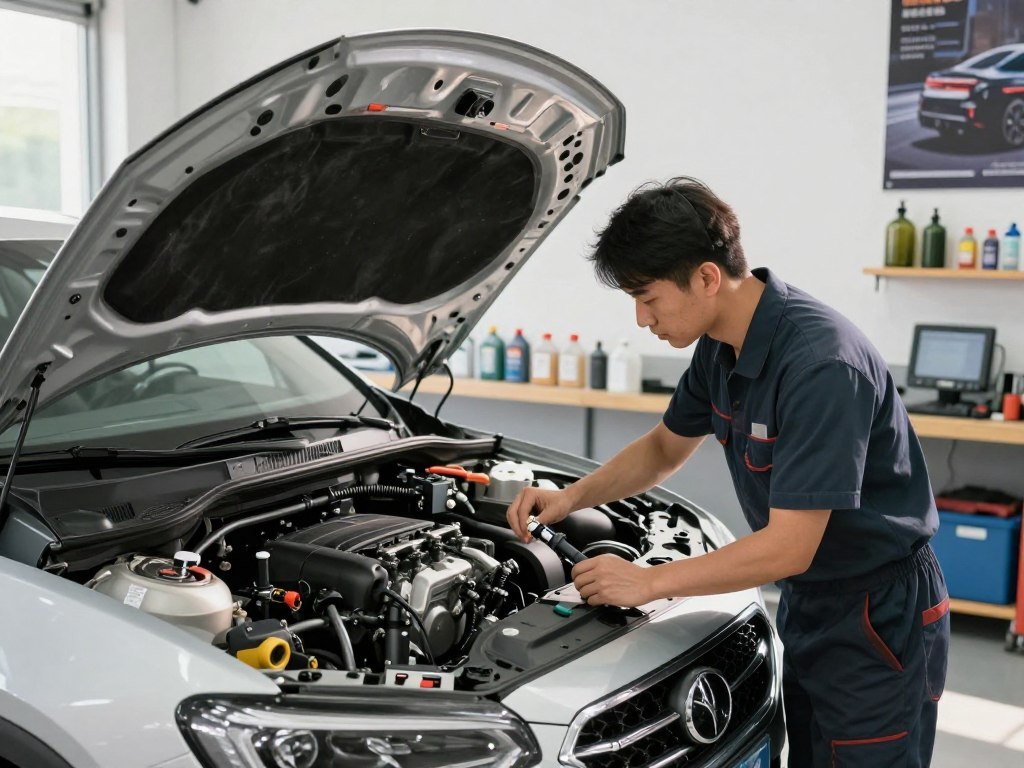
Many drivers hear the term “tune-up,” but few understand what it truly involves in today’s automotive world. It is a preventative maintenance service. Its goal is to restore or preserve your vehicle’s performance, efficiency, and lifespan.
The meaning has shifted with automotive technology. It once meant simple mechanical adjustments. Now, it encompasses a broader range of services focused on overall motor health.
The Evolution from Mechanical Adjustments to Modern Maintenance
In the past, this service was a frequent, hands-on ritual. Mechanics adjusted parts like carburetors and distributors. They often serviced cars every 5,000 miles.
For vehicles from 1994 onward, the process changed. Computers now manage many functions. The focus shifted to replacing worn components.
Spark plugs and filters are common replacements. Diagnostic tools read trouble codes. Service is now less frequent but more precise.
| Aspect | Traditional Tune-Up (Pre-1990s) | Modern Tune-Up (1994 and Later) |
|---|---|---|
| Primary Focus | Mechanical adjustment of components | Replacement of worn parts and system verification |
| Common Tasks | Adjust carburetor, set timing, service distributor points | Replace spark plugs, change filters, scan for diagnostic codes |
| Typical Frequency | Every 5,000 – 12,000 miles | Every 30,000 – 100,000 miles, as recommended |
| Key Tools | Timing light, feeler gauges, wrenches | OBD-II scanner, socket sets, diagnostic software |
Onboard diagnostics (OBD) systems play a big role today. They help identify issues quickly. However, a physical inspection remains vital.
Looking at parts like spark plugs gives invaluable insight. It shows the real condition inside the combustion chamber. This hands-on check complements computer data.
Core Objectives: Performance, Efficiency, and Longevity
The core goals of this service are clear. First, optimize performance for maximum power and responsiveness. A smooth-running motor delivers better acceleration.
Second, improve fuel economy. Clean systems and proper ignition help your car use less gas. This saves you money at the pump over time.
Third, extend the operational life of your vehicle. Replacing worn items prevents larger failures. It helps your car last for many more miles.
It is important to clarify a common confusion. A standard tune-up is not performance “tuning.” Performance tuning modifies ignition timing and fuel curves for racing.
A routine service is about restoration and preservation. The specific steps can vary greatly. They depend on your car’s age, condition, and mileage.
This service is highly adaptable. For a well-maintained vehicle, it might be a simple refresh. For a neglected one, it becomes a more involved process.
This foundational understanding sets the stage. Next, we’ll explore why this care is necessary and what components are typically involved.
Why Your Vehicle Needs Regular Tune-Ups

Driving without regular tune-ups is a gamble with your car’s performance, wallet, and safety. These services are not just for old models. Every modern vehicle benefits from scheduled care.
Ignoring this maintenance leads to a slow decline. You might notice small problems first. Over time, they can grow into major issues.
Consistent service acts as a health check for your automobile. It finds small faults before they cause a breakdown. This proactive approach saves money and stress.
Preventing Costly Repairs and Breakdowns
Regular maintenance is your best defense against expensive garage bills. A minor issue, like a worn spark plug, is cheap to fix. If ignored, it can strain the ignition coils and catalytic converter.
This cascade of problems leads to repairs costing thousands. A simple service identifies these weak points early. Technicians use visual checks and scans to spot trouble.
Safety is another key concern. A vehicle that stalls in traffic or overheats on the highway is a hazard. Regular care ensures all systems function reliably.
This upkeep also protects your investment. A well-maintained car has a higher resale value. It shows potential buyers the vehicle was cared for properly.
Enhancing Fuel Economy and Reducing Emissions
Your car’s efficiency depends on clean, precise systems. A dirty air filter chokes the motor. Old spark plugs cause incomplete fuel burning.
These worn parts make your vehicle work harder. It uses more gasoline to go the same distance. You will see higher costs at the pump every month.
A proper service restores these components. Clean filters and fresh plugs allow for optimal combustion. This means you get more miles from each gallon of fuel.
Complete fuel burn has another big benefit. It drastically reduces harmful exhaust emissions. Your car runs cleaner and helps the environment.
Maintaining Optimal Engine Power and Response
Do you feel hesitation when you press the accelerator? This sluggish response is a classic sign of needed care. A tuned-up motor reacts instantly to your input.
Fresh components restore lost power and smoothness. You will notice better acceleration from a stop. Hills and passing maneuvers become easier.
Common symptoms indicate it’s time for service. Rough idling at stoplights is a key clue. A sudden drop in gas mileage is another warning.
These signs mean your car is not running at its best. Addressing them quickly brings back that like-new feel. Your daily commute and long trips become more enjoyable and dependable.
| Common Issues Without Regular Service | Benefits With Regular Maintenance |
|---|---|
| Decreased fuel economy and higher fuel costs | Optimized fuel efficiency and savings at the pump |
| Rough idling, hesitation, and difficulty starting | Smooth operation, instant throttle response, reliable starts |
| Increased exhaust emissions | Cleaner combustion and reduced environmental impact |
| Risk of cascading failures (e.g., misfires damaging other parts) | Early problem detection, preventing major mechanical repairs |
| Loss of power and poor acceleration | Restored performance and driving confidence |
| Unreliable operation and potential for roadside breakdowns | Enhanced daily reliability and safety for all trips |
| Lower resale value due to poor condition | Preserved vehicle value and longer operational lifespan |
Severe driving conditions make this care even more critical. Frequent towing, stop-and-go traffic, and short trips add extra strain. In these cases, consider more frequent check-ups.
Think of a tune-up as an investment in your automobile’s future. The small cost and time spent today prevent large headaches tomorrow. It maximizes your vehicle’s lifespan and ensures it runs right for years to come.
Essential Components for a Complete Tune-Up
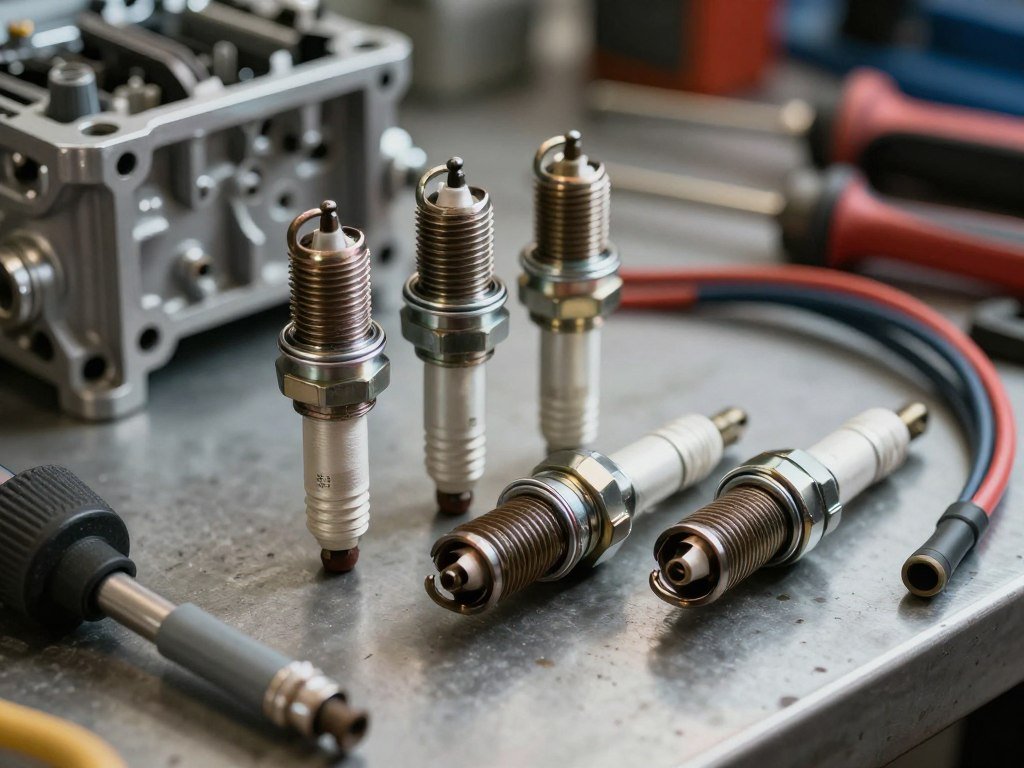
The effectiveness of a maintenance service hinges on a thorough inspection of several key systems and components. This process ensures every part works together for smooth operation.
A comprehensive check addresses specific categories. Each group plays a vital role in your vehicle’s health and performance.
| Component Category | Primary Purpose | Key Items Involved |
|---|---|---|
| Ignition System | Generate a strong spark to ignite the fuel mixture | Spark plugs, ignition coils, wires |
| Filtration Systems | Ensure clean air, fuel, and oil enter critical parts | Air filter, fuel filter, oil filter |
| Essential Fluids | Lubricate, cool, and transfer hydraulic power | Engine oil, coolant, transmission, brake, and power steering fluids |
| Belts, Hoses & Sensors | Drive accessories, carry fluids, and provide system data | Serpentine belt, coolant hoses, oxygen and mass airflow sensors |
Spark Plugs and Ignition System
Spark plugs are small but mighty components. They create the electrical spark that lights the air-fuel mixture inside each cylinder.
Over thousands of miles, the electrodes on a plug slowly wear down. This increases the gap the spark must jump. A correctly gapped plug ensures a hot, consistent spark for optimal combustion.
Ignition wires or coils deliver high-voltage electricity to each spark plug. Weak coils or cracked wires can cause a misfire. This leads to rough running and wasted fuel.
Air, Fuel, and Oil Filters
Your vehicle uses three primary filters. The air filter cleans incoming air for combustion. A clogged air filter restricts vital airflow.
The fuel filter traps debris before it reaches the injectors. A dirty fuel filter can cause poor performance. The oil filter removes contaminants from the lubricating oil.
Clean filters are essential for efficiency. Restricted flow makes the motor work harder. This reduces power and can lead to premature wear.
Fluid Levels and Condition Checks
Checking fluids is a fundamental step. Essential fluids include engine oil, coolant, and transmission fluid. Brake fluid and power steering fluid are also critical.
Technicians verify both level and condition. Low fluid levels can cause overheating or damage. Dark, dirty fluid often signals it’s time for a change.
Fresh fluids provide proper lubrication and cooling. They also protect internal parts from corrosion. This simple check supports long-term reliability.
Belts, Hoses, and Sensors
Belts and hoses require a visual inspection. Look for cracks, fraying, or glazing on the serpentine belt. Soft, bulging, or brittle hoses are a sign of age.
Failed belts or hoses can lead to a sudden breakdown. The timing belt is especially critical in many vehicles. Its failure can cause severe internal damage.
Modern vehicles rely on sensors for optimal operation. The oxygen sensor helps manage the air-fuel mixture. The mass airflow sensor measures incoming air volume.
The PCV valve is another small but important part. It manages crankcase emissions. A clogged PCV valve can cause rough idling and oil leaks.
A complete service addresses all these components together. This systemic approach is what restores and preserves your vehicle’s health.
Step-by-Step Guide to Performing a Basic Engine Tune-Up
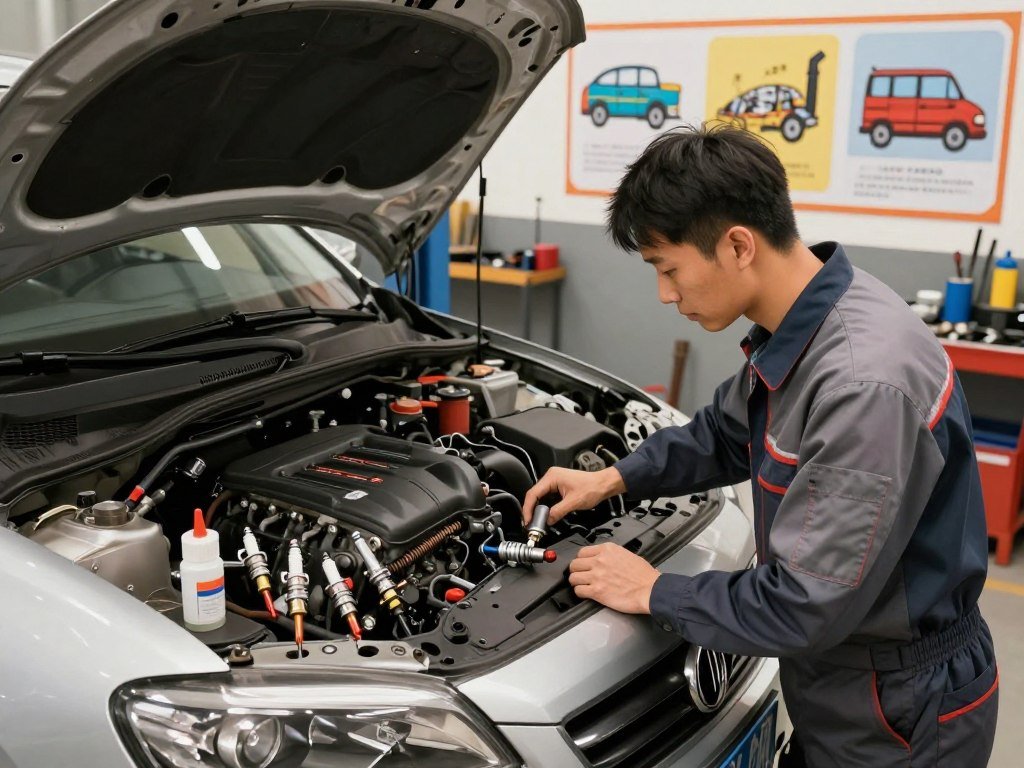
Taking charge of your car’s fundamental care doesn’t require expert skills, just a systematic plan and the right tools. This walkthrough breaks down the process into manageable stages. You can restore smooth operation and efficiency with a few hours of focused work.
Always start by consulting your owner’s manual. It provides specific part numbers and safety warnings for your model. This preparation ensures you have correct components before beginning.
Preparation: Tools, Safety, and Diagnostic Scanning
Gather your equipment before opening the hood. Essential tools include a socket set with extensions, a spark plug socket, and a gap tool. You will also need filter wrenches, a drain pan, and an OBD-II scanner.
Safety is the first priority. Park on a level surface and engage the parking brake. Disconnect the negative battery cable to prevent electrical shorts.
Connect your diagnostic scanner to the vehicle’s port. Retrieve any stored trouble codes. This scan can reveal hidden issues that need addressing during your service time.
Inspecting and Replacing Spark Plugs
Locate the spark plugs, usually on top of the motor. Remove the ignition wires or coil packs carefully. Use your spark plug socket to loosen and remove each plug one at a time.
Examine the old plugs closely. Their condition tells a story about internal health. Look for signs of oil, excessive carbon, or electrode wear.
Check the gap on your new plugs with a gap tool. Adjust if necessary to match your manual’s specification. Install each plug by hand first, then tighten to the correct torque.
Checking and Changing Filters
Find the air filter housing, typically a large black box. Open the clips or screws and remove the old filter. A visual inspection will show if it’s clogged with dirt and debris.
Replace it with a new unit if needed. The cabin air filter is often behind the glove compartment. Check your manual for its location and replacement interval.
The fuel filter may be under the car or in the engine bay. Replacing it requires relieving fuel system pressure. This step is crucial for maintaining proper fuel flow.
Evaluating Fluid Levels and Systems
Check all fluid reservoirs with the vehicle on level ground. Inspect the oil, coolant, brake, and power steering fluids. Look at both the level and the fluid’s color for signs of contamination.
Perform an oil change if the mileage interval is due. Drain the old oil and replace the oil filter. Refill with the correct grade and amount of new oil.
Conduct a visual and tactile inspection of belts and hoses. Feel the serpentine belt for cracks or glazing. Squeeze coolant hoses to check for softness or brittleness.
Clean accessible components like the throttle body and battery terminals. This improves electrical connection and airflow. Reconnect the battery cable when finished.
Finally, reset the maintenance reminder light if needed. Dispose of old parts and fluids at a proper recycling center. Take a short test drive to verify smooth operation and throttle response.
Fuel Injector Cleaning: Techniques and Benefits
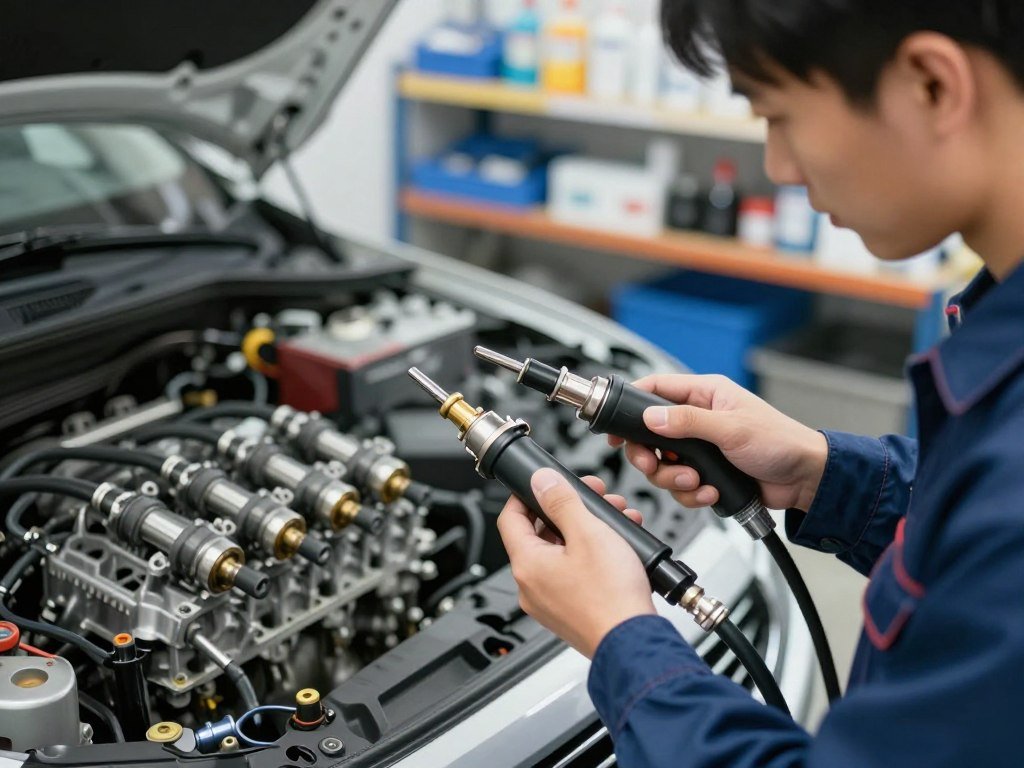
Think of your fuel injectors as the precise nozzles that feed your car’s combustion chamber; their condition directly dictates efficiency and power.
This section explores the vital role these components play. We will cover effective cleaning techniques and the clear benefits of this service.
Modern vehicle management relies on these parts for optimal operation. They deliver a metered spray of gasoline for clean burning.
How Fuel Injectors Impact Performance
These components are crucial for your motor’s smooth running. They must open and close thousands of times per minute.
Each injector releases an exact amount of fuel. This happens at a precise moment in the combustion cycle.
Carbon deposits, varnish, and tiny debris can clog the tiny nozzle. This disrupts the perfect spray pattern needed for clean burning.
A poor spray leads to incomplete combustion. The results are easy to feel and see during your drive.
You may notice a rough idle when stopped. Hesitation during acceleration is another common symptom.
Engine knocking or pinging can occur under load. Overall horsepower feels decreased, and fuel economy drops.
These performance hits make driving less enjoyable. They also lead to higher running costs over time.
Methods for Cleaning Fuel Injectors
Several techniques can restore proper injector function. The best choice depends on the severity of the clog.
Mild cases often respond to simpler solutions. Serious blockages usually require professional equipment and skill.
| Cleaning Method | Procedure | Best For | Pros | Cons |
|---|---|---|---|---|
| Chemical Additives | Liquid cleaner is poured into the vehicle’s gas tank. It mixes with fuel and passes through the injectors during normal driving. | Preventative maintenance and very mild cleaning. Good for regular upkeep. | Inexpensive and easy for anyone to use. No tools or disassembly required. | Limited cleaning power for significant deposits. Cannot fix mechanical wear or severe clogs. |
| Professional On-Car Service | A technician connects a specialized machine to the fuel rail. This machine circulates a potent cleaning solvent through the injectors while they are installed. | Moderate deposit buildup. A common service offered by repair shops. | Stronger cleaning action than additives. Tests injector pattern and flow. No need to remove parts from the car. | Requires professional equipment. May not clean the exterior of the injector or the intake valves fully. |
| Off-Car Ultrasonic Cleaning | Injectors are physically removed from the vehicle. They are placed in an ultrasonic bath that uses sound waves to agitate cleaning fluid. | Severe clogs, performance restoration, or as part of a major service. | Most thorough cleaning method. Cleans internal and external surfaces completely. Allows for precise flow testing before reinstallation. | Most expensive and time-consuming method. Requires skilled removal and reinstallation of the injectors. |
For most drivers, a combination approach works well. Using a quality fuel system cleaner periodically can help prevent major issues.
If problems persist, a professional on-car service is a logical next step. This often resolves the performance complaints effectively.
Signs That Your Fuel Injectors Need Attention
Your automobile will give you clear signals when these parts are dirty. Paying attention to these signs can prevent more costly repairs.
The most common symptom is hesitation or stumbling when you press the gas pedal. The car feels sluggish and unresponsive.
A rough, uneven idle is another key indicator. You might feel the vehicle shake slightly when stopped at a light.
Listen for knocking or pinging sounds from under the hood during acceleration. This is often due to poor fuel atomization.
Your fuel economy will noticeably decrease. You’ll find yourself visiting the gas station more often for the same miles driven.
In severe cases, the check engine light may illuminate. The onboard computer detects a misfire or fuel trim issue.
Addressing these signs promptly restores smooth operation. It also brings back the fuel efficiency you expect from your car.
Clean injectors contribute to lower tailpipe emissions. They help your vehicle pass required tests and run cleaner.
Incorporating injector cleaning into your regular maintenance plan is wise. This is especially true for vehicles with higher mileage.
Using top-tier gasoline with good detergents can minimize deposit buildup. It helps keep the entire fuel system cleaner for longer.
Healthy fuel injectors are a cornerstone of peak automotive performance. When combined with other care steps, they ensure your car runs at its best.
Determining Tune-Up Frequency and Recognizing Signs
Your vehicle communicates its needs through subtle hints and clear warnings, signaling when maintenance is due. Knowing how often to schedule this care and what to look for prevents small issues from becoming major headaches.
There is no universal schedule that fits every automobile. The ideal interval depends on your driving habits, the age of your car, and the manufacturer’s specific advice.
Proactive attention keeps your motor running smoothly. It also protects your investment and ensures reliable transportation for years to come.
Mileage-Based Guidelines and Manufacturer Recommendations
General mileage guidelines provide a useful starting point. Older models often need attention every 10,000 to 12,000 miles.
Many modern vehicles can travel 30,000 to 50,000 miles between major services. Some even reach intervals of 100,000 miles for components like spark plugs.
Your owner’s manual is the most important resource. It contains the factory-approved schedule tailored to your specific model.
Following these recommendations helps maintain warranty coverage. It also ensures parts are replaced before they cause performance drops.
This table outlines typical service intervals based on vehicle type and age.
| Vehicle Type / Age | Typical Service Interval (Miles) | Key Factors Influencing Frequency |
|---|---|---|
| Older Vehicles (Pre-2000) | 10,000 – 12,000 | More frequent part wear, carbureted or early fuel injection systems. |
| Standard Modern Cars | 30,000 – 50,000 | Long-life spark plugs, advanced engine management systems. |
| Newer Models with Extended Intervals | Up to 100,000 | Premium components, synthetic fluids, and precise manufacturing. |
| High-Performance or Luxury Vehicles | Follow manufacturer spec closely | Complex systems often require specialized care and parts. |
Common Indicators of a Needed Tune-Up
Your car will show clear signs when it needs attention. Recognizing these early can save you money on future repairs.
Strange noises, like knocking or pinging, often point to ignition or fuel system issues. Unusual odors, such as a strong gasoline smell, can indicate a rich fuel mixture or a leak.
Visible exhaust smoke is a serious warning. Blue smoke suggests oil burning, while black smoke points to excessive fuel.
Warning lights on your dashboard are direct messages from your car’s computer. The Check Engine light is a common sign that a diagnostic scan is needed.
Starting problems, especially on a cold morning, can stem from weak spark or fuel delivery issues. Poor gas mileage is a clear signal your vehicle’s efficiency is suffering.
If your automobile struggles to accelerate or feels sluggish, the ignition or fuel system may be dirty or worn. A professional inspection can pinpoint the exact cause.
Adapting to Driving Conditions and Vehicle Age
Your driving environment greatly affects how often service is needed. “Severe” conditions demand more frequent check-ups.
Frequent short trips prevent the motor from fully warming up. This leads to moisture buildup and faster fluid degradation.
Towing heavy loads, driving in extreme heat or cold, and constant stop-and-go traffic add significant strain. These conditions may cut standard intervals in half.
Older vehicles and those with high mileage require more attentive care. Wear items like seals and sensors degrade with age, not just miles.
Even if you haven’t reached the mileage interval, an annual inspection is wise for older cars. Time itself can cause rubber hoses to dry out and fluids to break down.
Keeping a detailed maintenance log helps you track service dates and parts replaced. This record is invaluable for diagnosing future problems and maintaining resale value.
Consider the cost-benefit analysis. A preventative service is a relatively small investment today. Waiting for a failure often leads to much higher repair bills later.
Staying alert to your vehicle’s signals and adapting your care schedule ensures it delivers reliable performance for the long haul.
Conclusion
Consistent vehicle care is the cornerstone of automotive reliability, transforming routine maintenance into long-term peace of mind. This guide has equipped you with the knowledge to take charge of your car’s health.
Regular engine tuneup service preserves peak performance and fuel efficiency. It extends your automobile’s lifespan by preventing costly failures. Addressing components like spark plugs and the fuel system is a wise investment.
Following the steps outlined here fosters a deeper connection with your machine. Consult your owner’s manual and be attentive to your car’s signals. The satisfaction of a smooth-running vehicle on the road today is well worth the time.