Have you ever wondered how HHO carbon cleaning machine can restore your car’s performance and MPG? Many drivers accept declining fuel economy as normal wear and tear. But what if a simple, non-invasive process could reverse that trend?
Modern engines are prone to buildup over time. This accumulation of deposits harms efficiency and throttle response. HHO technology offers a precise solution.
This advanced method uses oxy-hydrogen gas to break down stubborn internal gunk. It works without harsh chemical additives. The result is a cleaner combustion cycle and restored power.
Vehicle owners report noticeable improvements after a professional treatment. You can expect smoother operation and better miles per gallon. It’s a sustainable approach to maintaining your vehicle’s health for the long haul.
Key Takeaways
- HHO technology utilizes a safe gas to remove harmful engine deposits.
- This process directly targets the root cause of lost fuel efficiency.
- It is an eco-friendly alternative to traditional chemical cleaners.
- Drivers experience improved throttle response and smoother idling.
- Regular maintenance with this method helps preserve engine performance.
- Professional-grade systems deliver reliable and significant results.
- The treatment is suitable for most modern internal combustion engines.
Understanding Engine Carbon Build-Up and Its Impact
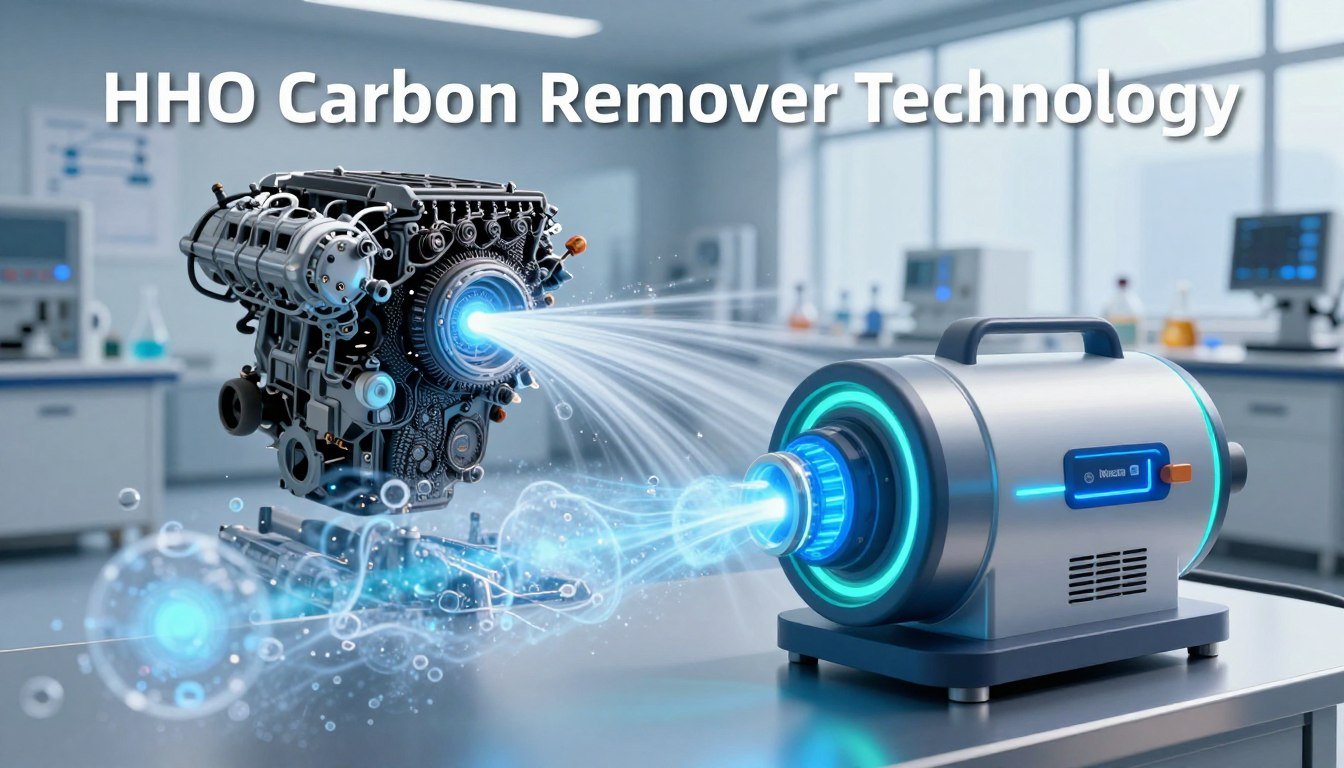
A gradual loss in vehicle responsiveness often points to an internal issue many drivers overlook. This problem usually stems from deposits forming inside critical components.
Over time, these accumulations can significantly alter how your automobile runs.
Causes of Carbon Deposits
Deposits form inside cylinders when fuel does not burn completely. This incomplete combustion leaves behind a sticky residue.
Modern powerplants are especially prone to this issue. Direct injection and recirculated exhaust gases contribute to the problem.
Effects on Fuel Efficiency
Reduced miles per gallon is a direct result. The grime restricts airflow and alters the precise air-fuel mixture.
Your motor must then work harder to produce the same power. This struggle wastes gasoline and increases operating costs.
| Deposit Location | Common Symptom | Impact on Performance |
|---|---|---|
| Cylinders & Combustion Chambers | Incomplete Fuel Burn | Loss of Power & Rough Idle |
| Air Intake System | Restricted Airflow | Reduced Throttle Response & MPG |
| EGR Valve & Ports | Blockage and Sticking | Increased Emissions & Check Engine Light |
| Catalytic Converter | Clogging from Soot | Poor Acceleration & Overheating Risk |
Left unchecked, this buildup leads to louder operation and noticeable vibrations. A professional cleaning process can address these core issues.
Maintaining clean internal surfaces is key for optimal timing and compression. This preservation effort supports long-term vehicle health.
The Science Behind HHO Technology
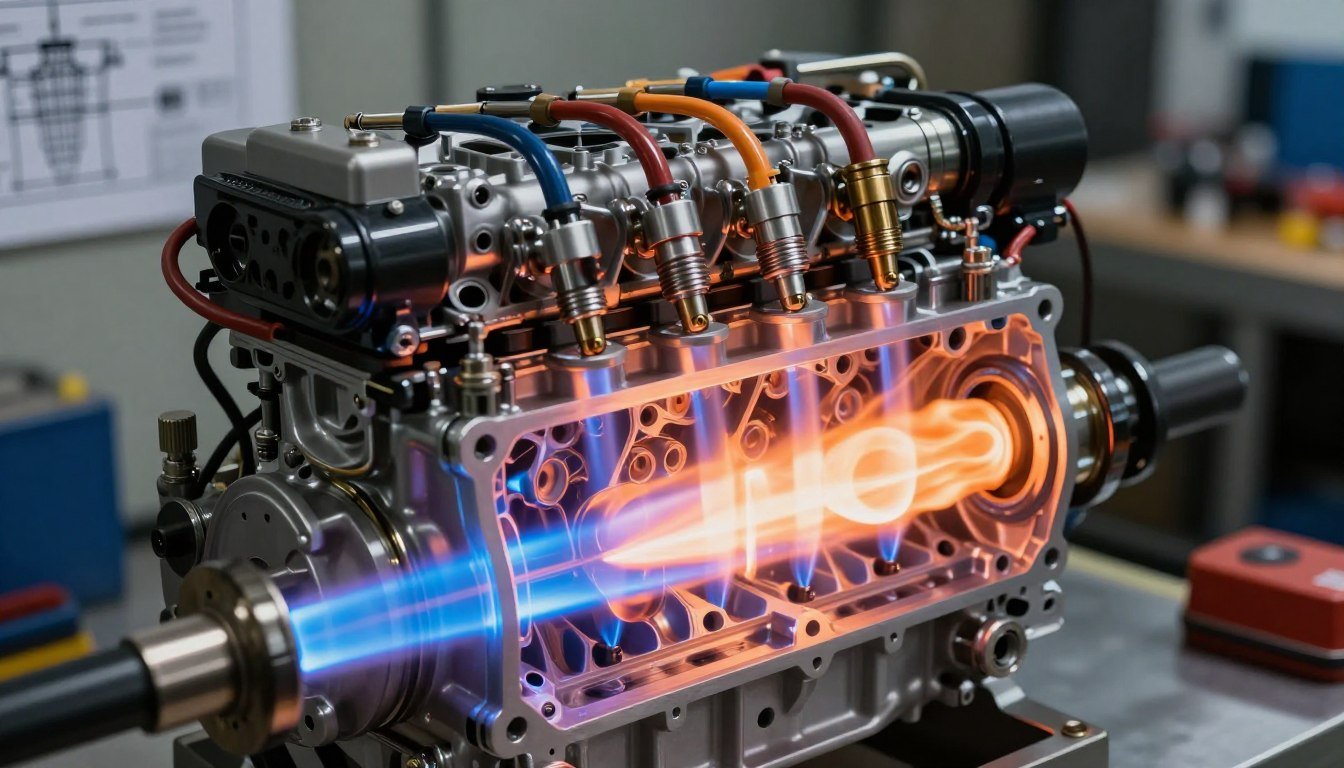
At the core of modern engine restoration lies a fascinating chemical process powered by HHO gas. This oxy-hydrogen mixture offers a distinct advantage over conventional methods.
How HHO Gas Enhances Combustion
HHO burns much faster and cleaner than standard fuel. Its rapid flame speed ensures complete fuel burn during each cycle.
This process effectively removes existing deposits without leaving residue. It leads to a more efficient power stroke.
| Property | HHO Gas | Traditional Combustion |
|---|---|---|
| Burn Speed | Extremely Fast | Relatively Slow |
| Primary Byproducts | Water Vapor | Soot & Deposits |
| Combustion Temperature | Lower | Higher |
| Oxygen Use Efficiency | Highly Optimized | Often Incomplete |
Chemical Reactions and Oxygen Efficiency
Hydrogen injection improves oxygen use in the chamber. It interacts with carbon molecules, converting them to harmless vapor.
This reaction also lowers internal temperatures. That helps prevent new buildup from forming.
The overall result is a proven method for decarbonization. It reliably enhances engine performance and longevity.
Carbon Cleaning Machine: Enhancing Engine Efficiency
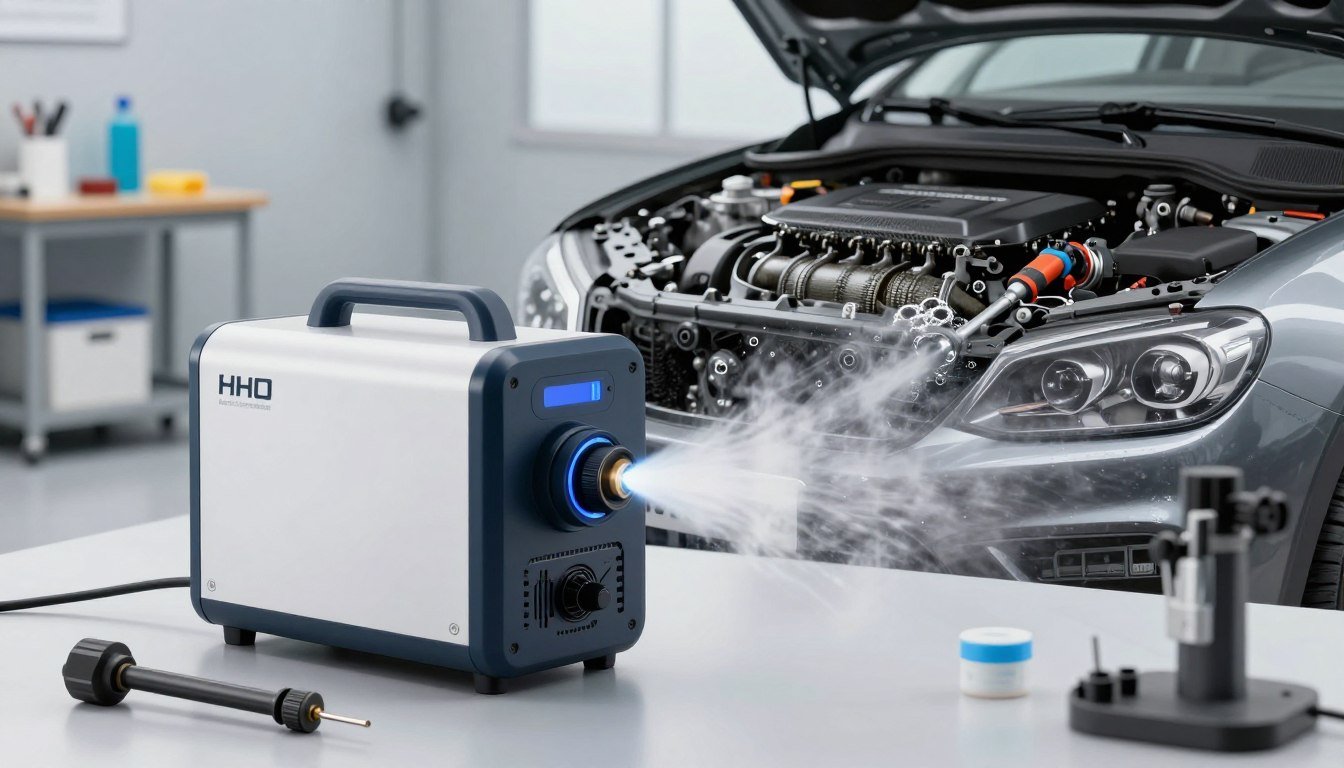
Energy-efficient operation is a hallmark of advanced vehicle care systems. This professional equipment targets core issues affecting your automobile’s performance.
The unit connects to standard 12V-14.4V DC power sources. This compatibility ensures easy integration with any vehicle battery. Setup is straightforward for technicians.
Power consumption remains low at just 0.43 kWh per session. Workshops appreciate this cost-effective approach. It delivers significant results without high energy bills.
| Feature | Specification | Performance Benefit |
|---|---|---|
| Electrical Input | 12V-14.4V DC Range | Universal Vehicle Compatibility |
| Electrolyte Capacity | 1 Litre Tank | Sustained Hydrogen Production |
| Energy Efficiency | 0.43 kWh Consumption | Low Operational Cost |
| Core Design | Wet Cell Technology | Reliable, Durable Output |
The one-litre reservoir holds the water-based electrolyte solution. This enables continuous high-purity gas generation during treatment.
Gas is injected directly into the air intake pathway. This clears restrictions that hamper airflow. Restored breathing improves throttle response and overall power.
Wet cell construction guarantees consistent operation. The build quality ensures long-term reliability for professional use.
Easy Operation: Step-by-Step Carbon Cleaning Process
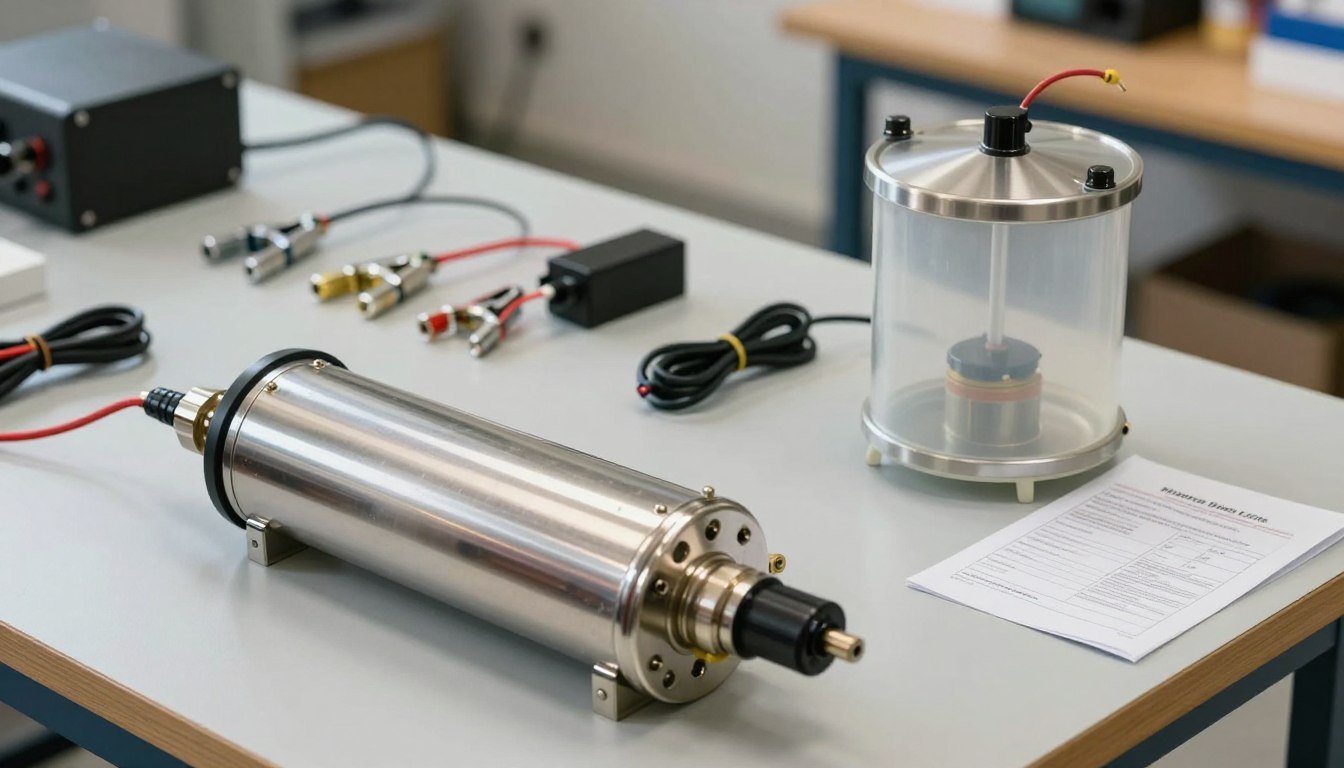
The operational steps for this advanced treatment are designed for user-friendly application in any workshop. This straightforward procedure restores engine efficiency with minimal hands-on time.
Following a simple sequence ensures consistent results. The entire process is typically completed within 20 to 60 minutes.
Setup and Connection to Your Vehicle
Begin by connecting the unit’s clamps directly to your car battery. Next, insert the supplied gas hose into the air filter box or intake.
This secure link allows the system to function. No complex tools or vehicle disassembly are required for this operation.
Electrolyte Preparation and Usage
Prepare the solution by mixing potassium hydroxide (KoH) crystals with distilled water. Using tap water can damage the internal cells.
One full tank of this electrolyte enables up to 150 individual sessions. This makes the carbon cleaner highly cost-effective, at roughly seven cents per use.
Automated Cleaning Cycle Explained
Initiate the standard 30-minute automated cycle with a single button press. The machine then runs unattended, freeing the technician for other tasks.
This hands-off phase is where the deep cleaning occurs. The system safely removes harmful deposits while you work.
| Process Stage | Key Actions | Typical Duration | Important Note |
|---|---|---|---|
| Initial Setup | Connect to battery; insert gas hose | 5 minutes | Ensures a secure vehicle connection |
| Solution Preparation | Mix KoH with distilled water | 5 minutes | Prevents cell damage; enables 150 sessions |
| Automated Treatment | Start cycle; machine operates independently | 30 minutes | Technician can perform other maintenance work |
Key Benefits: Power, Emissions, and Long-Term Engine Health
Beyond just a power boost, the right treatment protocol delivers a suite of measurable benefits for any car or truck. These advantages impact daily driving, environmental compliance, and your vehicle’s future health.
Reduction in Emissions and Improved Throttle Response
The system guarantees up to a 78% reduction in harmful exhaust emissions. This significant drop helps vehicles meet strict environmental standards.
Drivers notice an immediate improvement in throttle response and smoother operation. The motor is no longer hindered by internal deposits, restoring its original performance.
Using a professional carbon cleaner directly targets these core issues. The result is a more responsive and efficient engine.
Extended Engine Lifespan and Reduced Maintenance
Regular use of a carbon cleaner extends engine lifespan by preventing costly failures. Issues like DPF clogging and EGR valve blockages are avoided.
The equipment itself is built to last for 8 years under normal professional use. This provides a long-term solution for maintaining gasoline and diesel powerplants.
This cleaning process also reduces internal wear and can extend oil life. It offers significant financial benefits to owners over many years.
Technical Innovations and Safety Features
When selecting a decarbonization system, the engineering behind its safety mechanisms is a critical deciding factor. Professional workshops require equipment that guarantees secure operation every time.
This commitment to protection is backed by 12 integrated safety devices and 25 technical patents. These innovations form a comprehensive shield for both the technician and the vehicle.
Advanced Safety Mechanisms
The unit’s intelligence lies in its proactive hazard prevention. Systems like cross polarity protection and dedicated fuse guards prevent electrical mishaps during setup.
Overheating detection and automatic shutdown protocols ensure the process remains within safe thermal limits. This layered approach defines the system’s reliable safety profile.
| Safety Feature | Primary Function | User Benefit |
|---|---|---|
| Cross Polarity Protection | Prevents damage from incorrect battery connection | Eliminates risk of costly electrical repairs |
| Overheat Detection & Shutdown | Monitors core temperature and stops operation if exceeded | Ensures the vehicle’s components are never at risk |
| Dedicated Fuse Protection | Acts as a fail-safe against power surges | Provides peace of mind during extended cleaning cycles |
| Automated Cycle Control | Manages gas production and injection precisely | Delivers consistent, hands-off treatment quality |
Robust Build and Quality Engineering
Long-term durability starts with a powder-coated steel frame. This construction aids in heat dissipation and ensures structural integrity.
German-engineered pressure vessels and upgraded circuit boards provide the stability needed for high-performance hydrogen generation. Every component is selected for its proven quality.
Each carbon cleaner undergoes rigorous final testing before shipment. This validates that the highest quality standards are consistently met for professional use.
After-Sales Support, Warranty, and Training Advantages
Long-term confidence in your workshop tools comes from robust warranty coverage and expert training resources. A professional system is backed by a comprehensive support package designed for lasting reliability.
Lifetime Maintenance and Personalized Training
Every unit includes a two-year warranty covering replacement parts. This protection ensures long-term performance confidence for owners.
Lifetime free maintenance is included with each purchase. Registered users also get access to spare parts, keeping the equipment in optimal condition.
Professional online training guides users through initial setup and first-time operation. Dedicated after-sales staff provide personalized instruction.
Distributors receive regular visits from technicians and sales teams. These sessions ensure they stay updated on the latest advancements.
The support team offers 24/7 assistance via email. They help resolve any questions about operation or maintenance quickly.
| Support Feature | Coverage Details | Primary Benefit |
|---|---|---|
| Warranty | 2-year coverage on parts | Long-term performance assurance |
| Maintenance | Lifetime free service | Optimal equipment condition |
| Training | Professional online guidance | Confident first-time setup |
| Technical Support | 24/7 email availability | Immediate issue resolution |
| Distributor Support | Regular technician visits | Up-to-date knowledge |
Conclusion
Ultimately, safeguarding your vehicle’s future performance requires a modern, science-backed approach. A professional-grade system delivers this solution.
Investing in a high-quality carbon cleaning is the most effective method to restore lost power and fuel economy. This technology works for both gasoline and diesel engines.
The integration of HHO science with robust engineering creates a reliable tool for any workshop. It supports a commitment to superior service and long-term vehicle health.
Making this process part of a regular maintenance schedule prevents expensive repairs. It keeps your engine operating at its full potential for years to come.
Take the next step toward better performance and reliability—consult a trusted professional today and make this advanced solution part of your maintenance routine.