What if you could unlock hidden power and savings from your heavy-duty equipment without a major overhaul? This strategic process, known as engine tuning, involves adjusting the internal combustion engine or its Engine Control Unit (ECU). The goal is to achieve optimal performance. It boosts power output, economy, and durability.
For trucks and excavators, this goes beyond basic maintenance. It is a precise calibration of electronic control systems. Experts modify key parameters for extreme working conditions.
The changes directly impact vital operational metrics. This includes fuel consumption and long-term reliability. Fleet managers and construction crews see a major difference.
Modern advancements use sophisticated software and hardware modifications. These provide gains that old mechanical methods could not. It transforms how a vehicle performs and uses fuel.
Investing in this upgrade is a smart financial and operational decision. Owners of commercial and industrial vehicles gain a significant edge.
Key Takeaways
- Engine tuning is a strategic process that optimizes a vehicle’s electronic control unit for better performance.
- It delivers tangible benefits like improved fuel efficiency and reduced operational costs.
- Precise adjustments to air-fuel ratio and ignition timing unlock more power and torque.
- Professional tuning enhances long-term durability and reliability for heavy-duty applications.
- The process is a cost-effective investment that pays for itself through savings and productivity gains.
- Modern tuning relies on advanced software, making it more accurate and effective than ever.
- Seeking a qualified professional ensures modifications are safe, effective, and compliant.
What Is Engine Tuning for Heavy-Duty Vehicles?
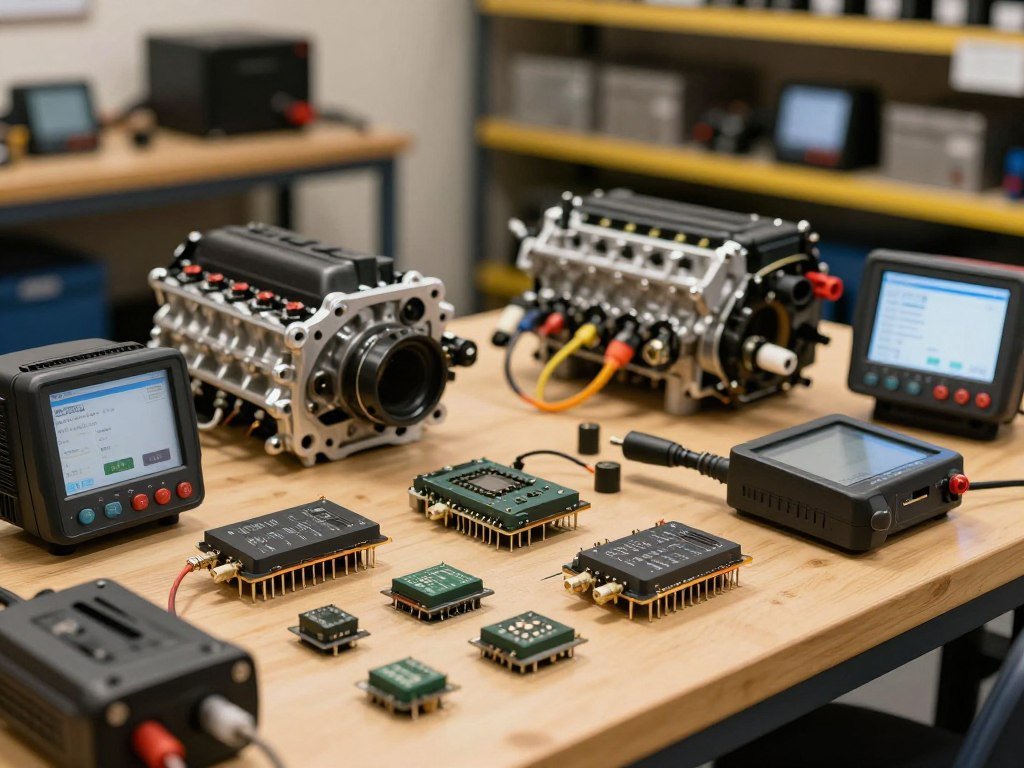
In the world of heavy machinery, true performance gains come from precisely altering the digital instructions that govern the powertrain. This process, known as engine tuning, is a strategic recalibration of a vehicle’s electronic systems. It targets specific operational goals far beyond the scope of routine maintenance.
For dump trucks, excavators, and long-haul rigs, it’s a calculated performance adjustment. Experts modify factory settings to better suit extreme working conditions and owner objectives.
Beyond Basic Maintenance: A Strategic Performance Adjustment
Routine service like oil changes is reactive care. Performance optimization is a proactive strategy. It deliberately rewrites the vehicle’s core parameters for a chosen result.
The goal might be more pulling power for steep grades or better fuel economy for highway miles. This is achieved by adjusting values in the Engine Control Unit (ECU). Manufacturers often set these conservatively for broad reliability and emissions compliance.
A professional engine tuner unlocks this hidden margin. The standard process begins with a full diagnostic scan. This reads existing ECU data and sensor health.
Next, specialists use advanced software to modify key maps. These govern air-fuel ratio, ignition timing, and boost pressure. If needed, supporting hardware upgrades like intakes or exhausts are added.
For heavy-duty applications, this approach must be robust. It accounts for constant high loads, extended idle times, and strict regulatory environments. The modifications must be durable and precise.
Key Components in the Tuning Process: ECU, Sensors, and Actuators
Three main parts work together to execute any performance upgrade. The ECU is the brain, sensors are the senses, and actuators are the muscles.
| Component | Primary Function | Examples in Heavy-Duty Vehicles |
|---|---|---|
| Engine Control Unit (ECU) | The onboard computer that stores all performance maps. It makes real-time decisions based on sensor data. | Manages fuel injection pulse width, turbocharger wastegate duty cycle, and ignition spark timing. |
| Sensors | Monitor physical conditions and report data back to the ECU. | Mass Airflow (MAF) sensor, Manifold Absolute Pressure (MAP) sensor, Oxygen (O2) sensor, Coolant Temperature sensor. |
| Actuators | Physical components that carry out the ECU’s commands to change engine behavior. | Fuel injectors, electronic throttle body, turbocharger bypass valve, exhaust gas recirculation (EGR) valve. |
The system operates in a constant loop. Sensors feed data to the control unit. The ECU processes this against its tuned maps.
It then sends commands to the actuators. This changes the air, fuel, and spark inside the combustion chamber. The result is a direct alteration in power output, efficiency, and response.
Professional tuners use specialized interface tools and software to access this system. This ensures all changes are precise, safe, and within the mechanical limits of the vehicle. This technical foundation makes all the following benefits possible.
Benefit 1: Maximizing Fuel Efficiency and Reducing Operational Costs
Operational budgets for heavy equipment are dominated by one recurring expense: fuel. For trucks and excavators that consume large amounts of diesel, even a small improvement in economy has a major financial impact. Professional calibration directly targets this cost center by making the powertrain work smarter.
This process recalibrates the vehicle’s electronic control systems. The goal is to extract more usable energy from every drop of fuel. The result is a direct reduction in operational costs and a boost to your bottom line.
Optimizing the Air-Fuel Ratio for Complete Combustion
Efficiency starts with perfecting the combustion event inside each cylinder. This depends on the precise mixture of air and fuel. For complete burning, the ratio must be ideal.
In gasoline engines, the stoichiometric ratio is about 14.7 parts air to 1 part fuel. Diesel powertrains operate differently. They can be optimized for leaner or richer mixtures under various loads.
Factory settings often use a conservative mixture. This can lead to incomplete combustion. Unburned fuel is wasted and exits as harmful emissions.
A professional calibration adjusts this air-fuel ratio in real-time. Advanced sensors, like the wideband oxygen sensor, provide constant feedback. The control unit uses this data to deliver the optimal amount of fuel for the incoming air.
This ensures a more complete burn. More energy is captured to push the piston, and less is wasted. The outcome is better mileage and cleaner exhaust.
The Role of ECU Remapping in Intelligent Fuel Delivery
The vehicle’s Engine Control Unit (ECU) is the brain governing performance. Its factory programming, or “map,” is designed for broad reliability and emissions compliance. It rarely prioritizes peak fuel economy.
ECU remapping rewrites this software. A specialist connects to the diagnostic port and reads the existing firmware. They then adjust the digital tables controlling key parameters.
These include fuel injection quantity, injection timing, and rail pressure. The modifications match the software to the engine’s actual airflow and operating conditions.
For turbocharged diesel engines common in heavy equipment, remapping also optimizes boost pressure. This ensures the powertrain works efficiently across its entire rev range, not just at peak rpm.
The changes happen within safe mechanical limits. The goal is more intelligent fuel delivery, not excessive strain.
The financial impact is significant. A 5-10% improvement in fuel economy is a common result. For a large fleet, this can save thousands of dollars annually.
There’s also an environmental benefit. A properly calibrated engine runs cleaner. Complete combustion produces fewer particulates and unburned hydrocarbons.
These gains are not hypothetical. They are measurable results from recalibrating the vehicle’s brain to maximize every gallon.
Benefit 2: Unlocking Increased Horsepower and Torque
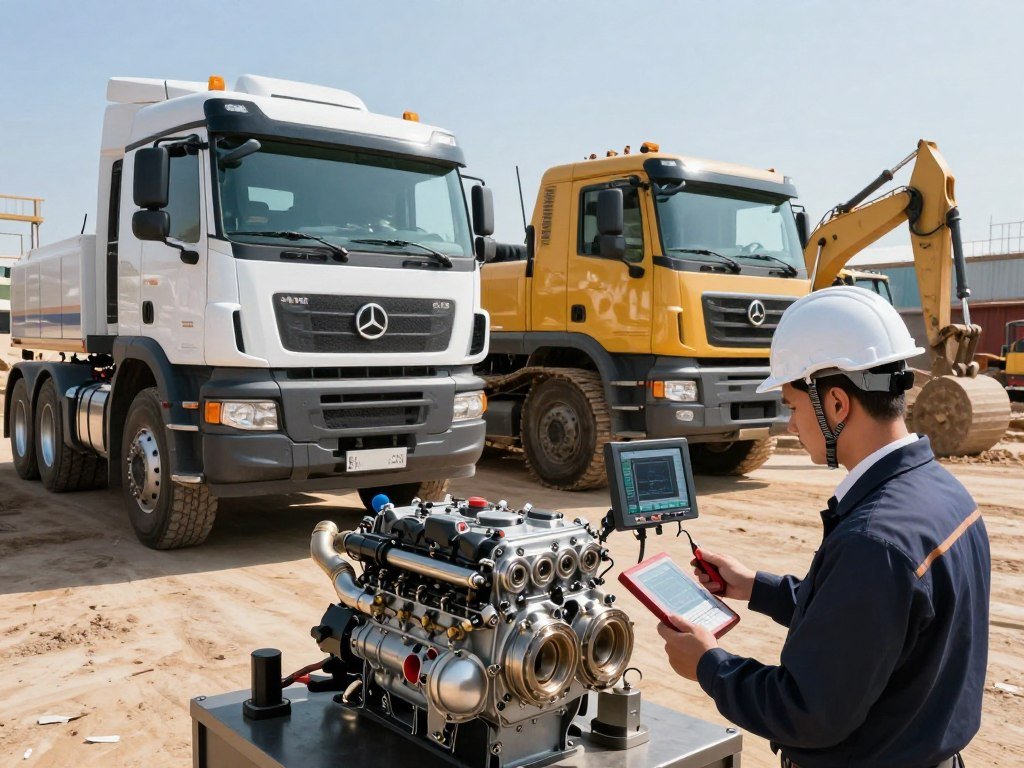
The next major advantage of professional calibration lies in unlocking the substantial power reserves often left untapped by factory settings. For heavy machinery, this translates directly to superior capability.
More horsepower means faster travel and quicker attachment cycles. Increased torque provides the brute force needed for digging, lifting, and climbing. This combination transforms how your equipment handles demanding tasks.
Forced Induction: Turbocharger and Supercharger Upgrades
Forced induction is a primary method for generating significant power gains. It works by compressing the air entering the combustion chamber. This “boosted” air allows for more fuel to be burned efficiently in each cycle.
The result is a dramatic increase in output. Two main devices accomplish this: turbochargers and superchargers. They operate differently and suit various applications.
| Feature | Turbocharger | Supercharger |
|---|---|---|
| Power Source | Uses energy from exhaust gases to spin a turbine and compressor. | Driven directly by the crankshaft via a belt, consuming some engine power. |
| Boost Characteristic | Boost builds as exhaust flow increases; can cause brief “turbo lag” at low RPMs. | Provides immediate boost from idle, offering instant throttle response. |
| Efficiency Impact | Generally more efficient, as it uses otherwise wasted exhaust energy. | Less thermally efficient, as it draws power directly from the crankshaft. |
| Best For Application | Ideal for diesel trucks and excavators where high-RPM, sustained power is valuable. | Excellent for applications requiring instant low-RPM torque, like certain specialized loaders. |
Increasing boost pressure is a common goal. This is done with a boost controller or an upgraded actuator. It forces more air into the cylinders.
This increase must be matched with proper fueling and cooling. An intercooler is critical. It cools the compressed air, increasing its density and preventing detonation.
Improving Airflow with High-Performance Intake and Exhaust Systems
Stock intake and exhaust parts are often designed for cost control and noise reduction. They can be highly restrictive. This limits the powertrain’s ability to breathe freely.
High-performance intake systems address this. They replace the stock air box with a high-flow filter. Smother, larger-diameter piping reduces turbulence.
This reduces the effort required to draw air in. Brands like HKS specialize in these components. The result is better throttle response and more available oxygen for combustion.
Performance exhaust systems work on the other end. They use mandrel-bent tubing to maintain a consistent diameter. Larger pipes and efficient mufflers minimize back pressure.
This allows spent gases to exit more freely. Improved exhaust scavenging helps pull in the next fresh air charge. The entire system breathes better.
These hardware changes work best with software optimization. An ECU remap can adjust fueling and ignition timing. This takes full advantage of the improved airflow.
For an excavator, the gain in low-RPM torque means more powerful digging. For a truck, higher horsepower supports confident highway cruising and passing. Each upgrade contributes to a cumulative increase that transforms the vehicle’s capabilities.
Benefit 3: Enhancing Engine Response and Drivability
The true test of a well-calibrated powertrain comes not from peak horsepower figures, but from how instantly and smoothly it answers the throttle. For operators of heavy machinery, this responsiveness is a critical productivity tool. It transforms a sluggish vehicle into a precise and predictable partner.
Sharp drivability means less operator fatigue and more confident control. Every digging cycle or lane change becomes safer and more efficient. This benefit focuses on refining the connection between the driver’s command and the machine’s action.
Sharpening Throttle Response Through Ignition Timing
Throttle response is governed by a key parameter: ignition timing. This is the precise moment the spark plug fires to ignite the air-fuel mixture. The factory setting is often conservative.
Manufacturers typically “retard” or delay the spark. This prevents knocking under all possible conditions, including poor fuel quality. The trade-off is a slower, less responsive feel.
Professional calibration carefully “advances” the ignition timing. The spark occurs earlier in the piston’s compression stroke. This allows combustion pressure to build more effectively.
The result is a stronger push on the piston right when needed. Modern control units use complex software maps. These maps vary timing based on load, RPM, and temperature.
This ensures sharp response without risking damage. Supporting components like high-performance spark plugs are crucial. They provide a strong, consistent spark even under high boost pressure.
Reducing Turbo Lag for Better Low-End Power
Turbocharged diesel engines can suffer from turbo lag. This is the frustrating delay between pressing the throttle and the turbo providing full boost. For an excavator needing immediate digging force, this lag wastes time and energy.
Several modifications can dramatically reduce this delay. Installing a turbo with a lighter compressor wheel allows it to spin up faster. Optimizing the exhaust manifold design improves exhaust gas flow to spool the turbo quicker.
Electronic boost controllers manage the wastegate duty cycle more aggressively. They help build pressure sooner in the rev range. The goal is to deliver strong, low-end torque exactly when the operator demands it.
These hardware changes must be matched with precise software adjustments. Fuel delivery must keep pace with the quicker changes in airflow. This maintains the correct air-fuel ratio for smooth, clean power.
Enhancing response is about creating a more connected and controllable vehicle. A truck that merges confidently or an excavator with immediate hydraulic power increases job site efficiency. It turns raw power into usable, productive performance.
Benefit 4: Extending Engine Life and Improving Durability
For fleet managers, the ultimate goal is maximizing uptime and minimizing costly downtime. A common fear is that performance modifications will shorten a powertrain’s lifespan. In reality, a professional, balanced calibration does the opposite.
It optimizes operating conditions to reduce harmful stress. This proactive approach directly extends service intervals and prevents premature failures. The result is a stronger return on your equipment investment.
Reducing Engine Stress with Balanced Tuning
Engine stress comes in three main forms: thermal, mechanical, and frictional. High heat degrades oil and metal. Uneven combustion pressures strain pistons and rods. Poor lubrication increases wear.
A proper calibration mitigates these factors. It ensures the air-fuel ratio is optimal. Running too lean creates excessive cylinder temperatures.
Running too rich leads to carbon deposits on valves and pistons. Factory settings often err on the rich side for safety. This can cause fouling over thousands of hours.
A professional tune leans the mixture toward the perfect balance. This promotes cleaner combustion and reduces carbon buildup. Ignition timing is also precisely set.
The goal is to avoid detonation, or “knock.” This violent event is a primary cause of piston and ring damage. Balanced software smooths out power delivery.
It lowers peak cylinder pressures. The vehicle operates in a safer, more efficient zone. This foundational work is key to long-term reliability.
Managing Heat: The Importance of Intercooler and Cooling System Upgrades
Heat is the biggest enemy of durability. Forced induction and heavy loads generate immense thermal energy. This must be managed to prevent component failure.
An intercooler is critical for turbocharged applications. It cools the compressed air coming from the turbo. Cooler air is denser, packing more oxygen into each cylinder.
This allows for more power without dangerously raising combustion temperatures. It also significantly reduces the risk of knock. Upgrading to a larger or more efficient intercooler is a wise supporting modification.
The main cooling system also needs attention. High-capacity radiators improve heat dissipation. Performance coolants offer better thermal transfer and boiling points.
Upgraded water pumps ensure consistent coolant flow during long workdays. These parts work together to maintain optimal operating temperature.
Calibration can also help manage oil temperature. Adjustments to the control unit or adding an auxiliary oil cooler protects critical bearings. Proper lubrication under duress is non-negotiable.
Investing in heat management pays off. It prevents the thermal degradation that leads to major overhauls. Your equipment stays on the job longer, saving you money for years to come.
A Practical Guide to Common Engine Tuning Modifications
Owners seeking better performance can follow a three-stage roadmap that builds capability systematically. This approach ensures balanced gains while protecting your investment.
Each phase introduces specific changes. They work together to unlock potential safely. Following this progression prevents problems.
You can stop at any level that meets your needs. The guide below explains what each stage involves.
Stage 1: Software Tuning and ECU Remapping
This initial phase focuses purely on digital adjustments. It requires no physical parts installation. Specialists connect to your vehicle’s diagnostic port.
They read the existing software from the Engine Control Unit. Then they upload modified files with new parameters. These changes adjust fuel delivery, boost targets, and ignition timing.
The results are immediate and often reversible. Many fleet managers choose this as their first step. It provides noticeable improvements in responsiveness and economy.
Since it’s software-based, the cost is relatively low. The powertrain operates within its original mechanical limits. This makes Stage 1 a safe starting point for most applications.
Stage 2: Bolt-On Performance Parts
Stage two adds physical components that bolt directly to existing mounts. No internal work is needed. These parts enhance airflow and cooling.
A high-flow air intake system is typically installed first. It replaces restrictive factory piping with smoother designs. This brings cooler, denser air into the combustion chambers.
Performance exhaust systems follow. They use larger diameter pipes and efficient mufflers. Reduced back pressure lets exhaust gases exit more freely.
An upgraded intercooler becomes crucial here. It cools the compressed air from forced induction systems. Lower intake temperatures prevent knock and maintain power consistency.
These bolt-on modifications complement the Stage 1 software. Together they create more significant gains. The vehicle breathes better and runs cooler.
Stage 3: Advanced Hardware Upgrades
The final stage involves major hardware changes. This is for those seeking maximum output. It requires careful planning and professional installation.
Turbocharger or supercharger upgrades are common. Larger units move more air but need supporting modifications. The fuel system must keep pace with increased airflow.
High-flow fuel injectors and pumps are installed. They deliver the necessary amount of fuel for complete combustion. Without them, the mixture becomes dangerously lean.
Internal reinforcements might be needed for extreme builds. Forged pistons and connecting rods handle higher cylinder pressures. This level transforms the powertrain’s fundamental capabilities.
Following this staged approach prevents imbalance. Each phase builds upon the previous one. Skipping steps can lead to poor performance or damage.
Always use quality parts from reputable brands. Have modifications performed by experienced professionals. They understand heavy-duty dynamics and safety requirements.
Your specific goals determine how far to go. Daily hauling might only need Stage 1. Extreme applications could justify all three stages.
This roadmap provides clarity for your upgrade journey. It helps you spend money wisely while achieving desired results.
Conclusion: Investing in Performance and Long-Term Value
The decision to optimize your fleet is not about chasing horsepower numbers. It’s a strategic calculation focused on operational excellence and financial return.
Professional calibration delivers a powerful combination of gains. You achieve better fuel efficiency, stronger power for tough jobs, and enhanced machine durability. These improvements directly lower your cost per working hour.
This precise process relies on advanced software and data. A qualified specialist makes changes that respect your vehicle’s design limits. The upfront investment pays for itself through sustained savings and productivity.
Start by consulting a reputable tuning expert. Develop a tailored plan to unlock your equipment’s full potential and secure a strong return on your capital.