5 Massive Benefits of Engine Tuning (Beyond Just Going Faster)
Have you ever wondered how optimizing your car can elevate your driving experience? Engine tuning is not just about speed; it’s a transformative process that unlocks hidden performance potential within your vehicle. Many believe that tuning is reserved for race cars, but that’s a common misconception. In reality, any daily driver can benefit from these enhancements.
By fine-tuning your car’s parameters, you can achieve a more responsive engine that reacts precisely to your inputs. This guide will explore how professional tuning can refine your vehicle, ensuring it operates at peak efficiency without sacrificing reliability or safety. Understanding the basics of how your engine functions is the first step toward making informed decisions about modifications.
Key Takeaways
- Engine tuning enhances your vehicle’s performance beyond just speed.
- Daily drivers can experience significant benefits from tuning.
- A responsive engine improves your overall driving experience.
- Professional tuning maintains reliability and safety.
- Understanding your engine helps in making informed modifications.
Understanding the Core Concepts of Engine Tuning
Understanding how your vehicle operates can significantly enhance your driving experience. Two key elements of performance are horsepower and torque. Horsepower, a term dating back to the steam engine era, measures the work done. In contrast, torque represents the twisting force needed to propel your car forward.
The basics of vehicle performance hinge on the correct balance of air and fuel. This balance ensures efficient combustion, especially under varying driving conditions. An optimized exhaust system is also crucial, as it allows the engine to breathe better. This becomes even more important when upgrading internal parts for increased power.
Grasping these core systems clarifies why specific adjustments are necessary. They help balance power output with the mechanical limits of your vehicle. Proper management of these systems ensures reliability while exploring the full potential of your vehicle through professional tuning.
Engine Tuning: Unlocking Your Vehicle’s Hidden Potential

Unlocking the hidden capabilities of your vehicle can transform your driving experience. One significant benefit of tuning is enhanced fuel efficiency. This improvement can lead to substantial savings, especially during long highway trips.
Additionally, refining the combustion process boosts your car’s overall performance while maintaining the reliability expected from modern factory setups. Many vehicles are conservatively tuned from the factory, leaving hidden power that can be safely accessed through precise adjustments.
Improving your vehicle’s efficiency means getting the most out of every gallon of fuel without causing unnecessary wear on the engine. Professional tuning focuses on balancing power and reliability, ensuring that your daily driver remains dependable for years to come.
Optimizing Air, Fuel, and Exhaust Efficiency

Optimizing the airflow and fuel delivery in your vehicle can lead to remarkable performance improvements. The HKS Super Hybrid Filter replaces the stock air cleaner box, allowing the engine to breathe more freely. This enhancement boosts air intake efficiency, which is vital for better combustion.
Additionally, using an HKS 150 cell metal catalyzer strikes a balance between exhaust flow efficiency and the necessary cleansing properties to meet emissions standards. Proper combustion requires a precise air and fuel ratio, which can be achieved by upgrading intake parts to reduce restriction and increase pressure.
Furthermore, optimizing your exhaust systems involves balancing back pressure. This ensures that your vehicle maintains torque while gaining power at higher engine speeds. These modifications work together to enhance the overall performance of your vehicle by ensuring that air and fuel are processed with maximum efficiency.
| Modification | Benefit |
|---|---|
| HKS Super Hybrid Filter | Improves air intake efficiency |
| HKS 150 Cell Metal Catalyzer | Enhances exhaust flow while meeting emissions |
| Upgraded Intake Parts | Maintains precise air-fuel ratio |
| Optimized Exhaust Systems | Balances back pressure for improved torque |
For more insights on the benefits of tuning, check out this article.
Key Elements of ECU Reflash and Software Tuning

Exploring the technical aspects of your vehicle’s software can greatly enhance its performance. One key component is the ECU, which controls how your car operates. Adjusting the ECU settings can lead to significant improvements in responsiveness and efficiency.
The VCM Editor is a powerful tool that offers a user-friendly interface for making these adjustments. With it, you can modify software settings to control how your vehicle responds to different inputs. This precision is essential for optimizing your driving experience.
Additionally, the VCM Scanner records real-time data, helping you verify that your tuning tools are achieving the desired results. This data-driven approach ensures that your car operates safely while enhancing performance.
Using advanced tuning tools allows for granular changes to engine parameters. This ensures that every modification is backed by accurate data and professional-grade diagnostics. By customizing your car to suit your specific needs, you can prioritize either fuel economy or maximum power.
| Tool | Function |
|---|---|
| VCM Editor | User-friendly interface for ECU adjustments |
| VCM Scanner | Records vehicle performance data |
| Data Logging | Verifies tuning effectiveness |
| Parameter Control | Ensures safe operation during adjustments |
For more insights on selecting the right tuning option for your car, check out this article.
Mastering Forced Induction and Fuel Management
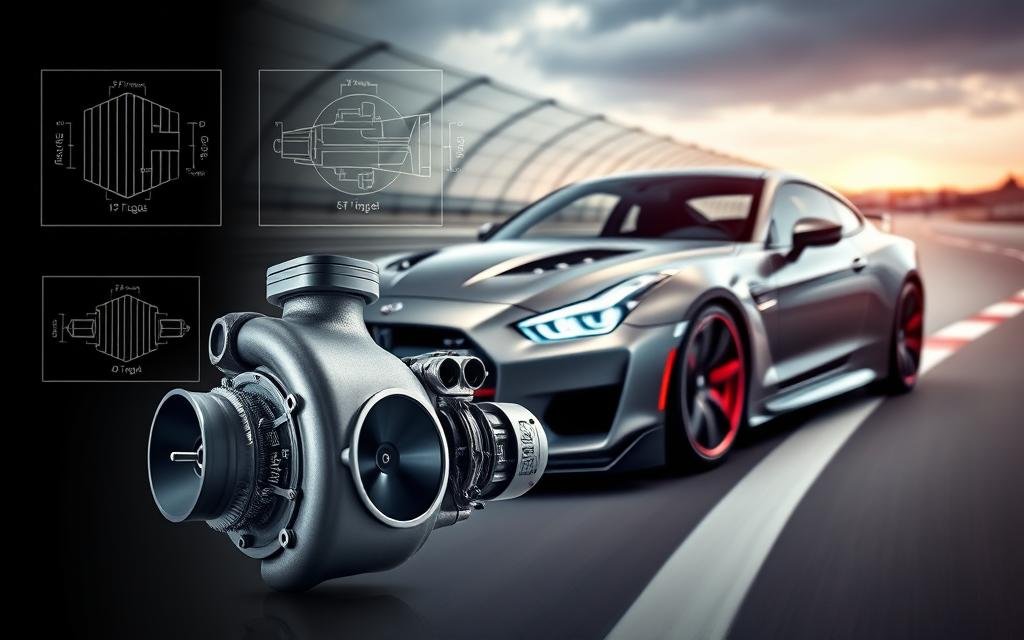
Understanding the dynamics of forced induction can significantly boost your vehicle’s performance. This process involves turbochargers and superchargers, which force more air into the engine, increasing power output across the entire rev range.
However, managing fuel effectively is crucial when enhancing boost. Maintaining a 15:1 air and fuel ratio is critical for complete combustion. Many engines run richer to control internal temperature during high boost scenarios.
The F-CON V Pro system offers advanced control over fuel mapping. It is compatible with D-Jetronic systems, improving how your car manages air and fuel. This advanced control is essential for preventing knocking and ensuring safety under high load.
| Aspect | Details |
|---|---|
| Boost Control | Increases air intake for more power |
| Fuel Management | Prevents knocking under high load |
| Air-Fuel Ratio | Maintains 15:1 for complete combustion |
| F-CON V Pro | Advanced fuel mapping control |
Mastering these complex systems requires a deep understanding of how air and fuel interact to produce power without exceeding your car’s limits.
Engine Tuning: Best Practices, Safety, and Performance Tips

Optimizing ignition timing is crucial for enhancing both performance and safety in your vehicle. Professional tuners emphasize that managing ignition timing is vital for ensuring your engine’s longevity during performance driving. A well-timed ignition system allows for smoother acceleration and improved fuel efficiency.
When modifying stock engines, it’s essential to monitor real-time data closely. This ensures that any changes in ignition timing do not lead to harmful knocking conditions. Ignition timing adjustments must be made carefully to avoid damaging your engine.
Different types of spark plugs are necessary for various tuning levels. The heat range of the spark plugs must match the increased power output to maintain optimal performance. Experienced tuners always keep a steady hand when making these adjustments, as even small changes can significantly impact how your car performs.
Following best practices for ignition and spark optimization ensures that your vehicle remains reliable while you enjoy the benefits of performance enhancements. Below is a summary of key aspects to consider when managing ignition timing:
| Aspect | Details |
|---|---|
| Ignition Timing | Critical for performance and safety |
| Real-Time Monitoring | Prevents harmful knocking conditions |
| Spark Plug Types | Must match tuning levels |
| Adjustment Precision | Small changes can greatly affect performance |
Conclusion
Contemplating the impact of enhancements on your car can lead to a more enjoyable ride. Engine tuning is a comprehensive process that optimizes your vehicle for better power and efficiency. By grasping the basics of air and fuel management, you can make informed changes that elevate your driving experience.
Whether you’re enhancing your daily commute or modifying a performance vehicle, the benefits are clear. Always prioritize safety and reliability by using quality parts and seeking professional guidance. This ensures your vehicle remains in top condition for years to come.
Embrace the power of modern technology to unlock your car’s hidden potential. With the right approach, you can transform your vehicle into a more capable machine tailored to your specific needs.